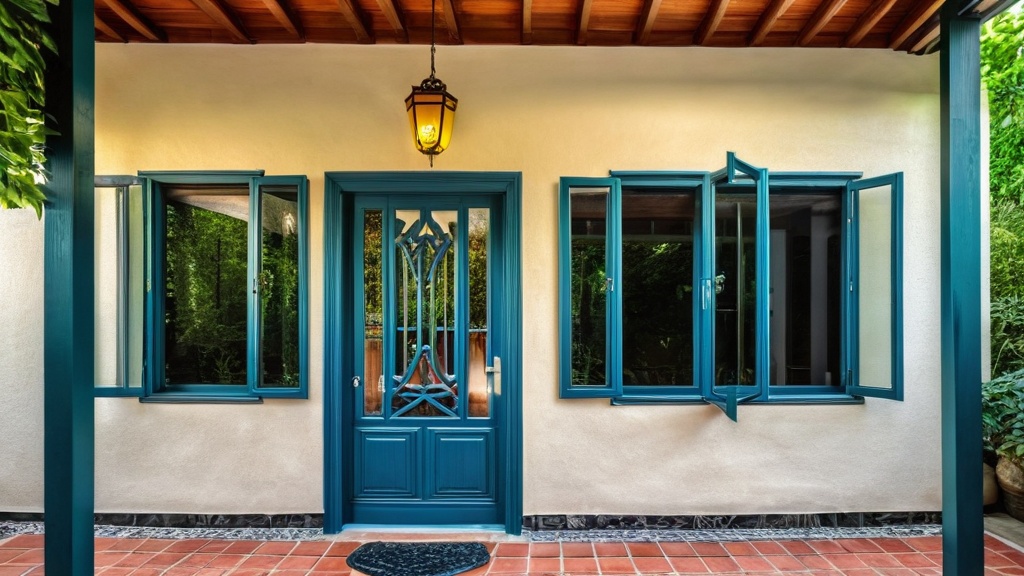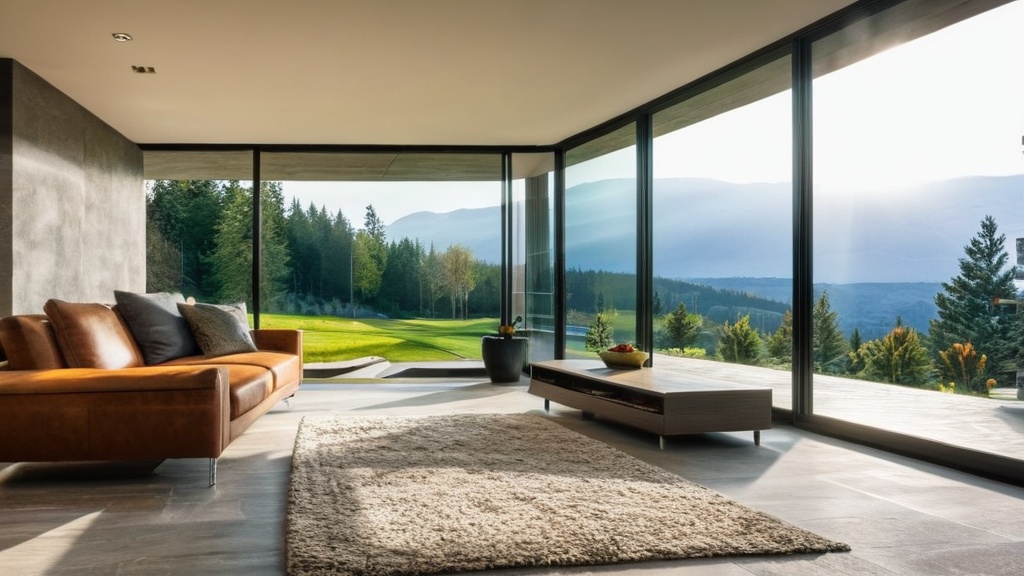
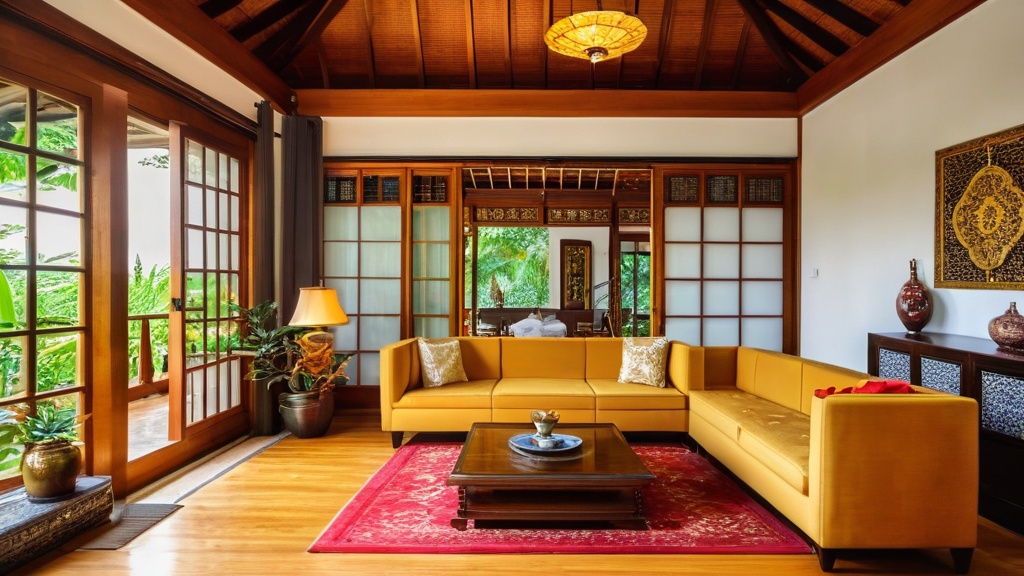
Feng Shui, an ancient Chinese practice, revolves around the idea that the arrangement of your environment can significantly influence your life. At its core, Feng Shui is about creating harmony between individuals and their surroundings. You may find it fascinating that this practice dates back thousands of years, rooted in the belief that everything in your environment is interconnected. By understanding the principles of Feng Shui, you can begin to harness the energy, or “Chi,” that flows through your space, ultimately leading to a more balanced and fulfilling life.
To truly grasp the essence of Feng Shui, you should familiarize yourself with its fundamental concepts. The practice emphasizes the importance of orientation, layout, and the flow of energy within a space. You might consider how your home or workspace feels when you enter; does it feel welcoming and vibrant, or does it seem stagnant and heavy? By paying attention to these feelings, you can start to identify areas that may need adjustment. The Bagua map, a tool used in Feng Shui, can help you analyze different areas of your space and how they correspond to various aspects of your life, such as wealth, relationships, and health.
If you’re interested in enhancing your living space through the principles of feng shui, you might find it beneficial to explore the mystical aspects of yoga as well. A related article that delves into the intriguing Khecari Mudra and its spiritual significance can be found at this link. Understanding such practices can complement your feng shui efforts by promoting a harmonious balance between energy and tranquility in your environment.
Key Takeaways
- Feng Shui focuses on creating balance and harmony in living spaces to promote positive energy.
- Using colors and natural elements strategically can enhance the flow of good energy.
- Proper furniture arrangement supports smooth energy circulation and a balanced environment.
- Decluttering and organizing are essential for maintaining optimal energy flow.
- Incorporating natural light and fresh air boosts the overall positive atmosphere in the home.
Creating a Balanced and Harmonious Environment
Creating a balanced and harmonious environment is essential for fostering positive energy in your home. You may want to start by assessing the overall layout of your space. Consider how each room flows into the next and whether there are any obstacles that disrupt this flow. A well-organized environment allows energy to circulate freely, promoting a sense of calm and well-being. You might find it helpful to visualize how you want each area to feel and function, allowing you to make intentional choices about furniture placement and decor.
In addition to layout, the materials and textures in your environment play a significant role in creating harmony. You can enhance the balance in your space by incorporating natural materials like wood, stone, and plants. These elements not only add visual interest but also connect you to nature, which is a vital aspect of Feng Shui. As you curate your environment, think about how different textures can evoke specific feelings. For instance, soft fabrics can create a cozy atmosphere, while sleek surfaces may promote clarity and focus.
Using Colors and Elements to Enhance Positive Energy
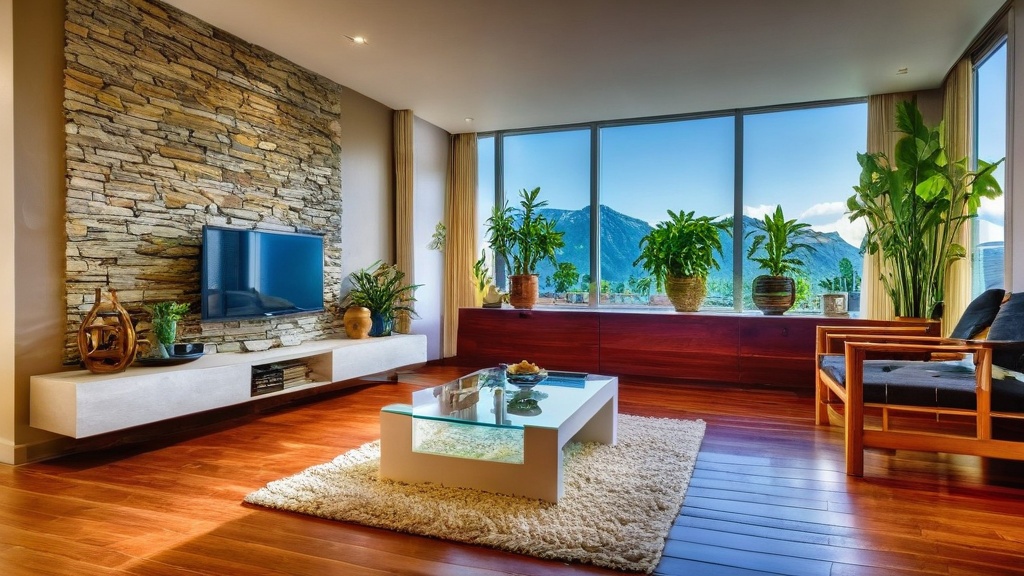
Colors are powerful tools in Feng Shui that can significantly impact the energy of your space. Each color corresponds to different emotions and elements, so choosing the right hues can help you cultivate the atmosphere you desire. For example, warm colors like red and orange can stimulate energy and creativity, while cool colors like blue and green promote tranquility and relaxation.
As you consider your color palette, think about how each shade resonates with you personally and what feelings you want to evoke in each room.
Incorporating the five elements—wood, fire, earth, metal, and water—into your decor can further enhance positive energy. Each element has its unique qualities and associations that can influence the overall vibe of your space. You might choose to introduce wood through furniture or plants for growth and vitality, while adding metal accents can bring clarity and precision. By thoughtfully integrating these elements into your home, you create a dynamic environment that supports your goals and aspirations.
Arranging Furniture and Decor for Flow and Balance
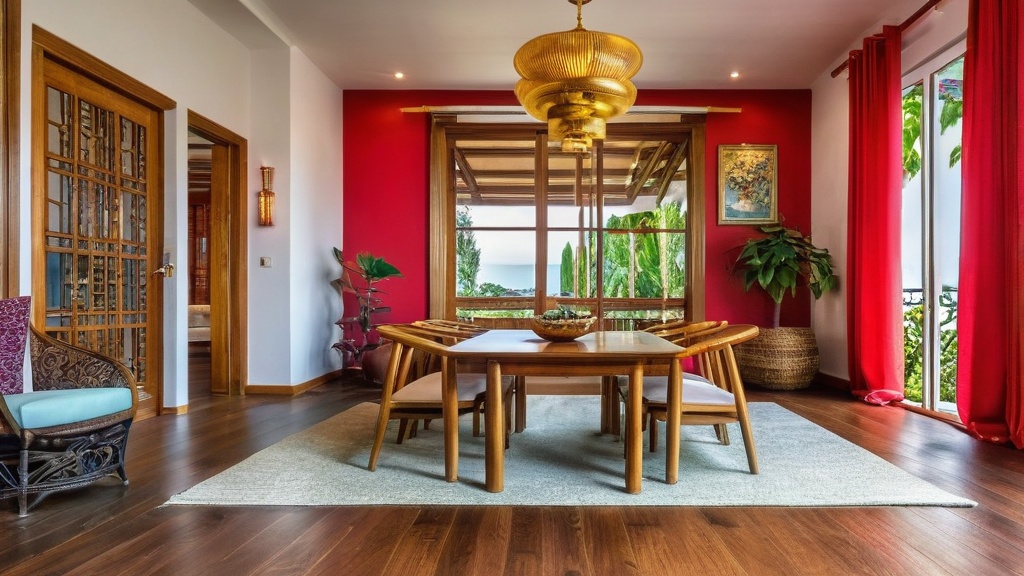
The arrangement of furniture and decor is crucial for achieving flow and balance in your space. You may want to start by considering the function of each room and how you use it daily. For instance, in a living room, you might arrange seating to encourage conversation and connection among family members or guests. Avoid placing furniture in a way that blocks pathways or creates obstacles; instead, aim for an open layout that allows energy to move freely throughout the space.
When arranging decor, think about creating focal points that draw the eye and anchor the room. This could be a piece of art, a statement piece of furniture, or even a beautiful plant. By establishing focal points, you guide the flow of energy while also adding visual interest. Additionally, consider the scale of your furniture in relation to the size of the room; oversized pieces in a small space can create feelings of confinement, while appropriately sized items promote comfort and ease.
If you’re looking to enhance the harmony in your living space, exploring feng shui tips can be incredibly beneficial. These principles can help create a balanced environment that promotes well-being and tranquility. For further insights on achieving relaxation in your home, you might find it helpful to read this article on mastering natural relaxation techniques, which complements the ideas of feng shui by focusing on creating a serene atmosphere.
Clearing Clutter and Organizing Spaces for Optimal Energy
| Feng Shui Tip | Description | Benefit | Recommended Area |
|---|---|---|---|
| Declutter Your Space | Remove unnecessary items to allow energy to flow freely. | Improves mental clarity and reduces stress. | Entire home or office |
| Use Mirrors Wisely | Place mirrors to reflect light and expand space but avoid facing the front door directly. | Enhances positive energy and light. | Living room, hallway |
| Incorporate Plants | Add healthy green plants to bring life and vitality. | Boosts air quality and promotes growth energy. | Entrance, living room, office |
| Balance the Five Elements | Include wood, fire, earth, metal, and water elements in decor. | Creates harmony and balance in the environment. | Throughout the home |
| Position Bed Properly | Place the bed so you can see the door but are not directly in line with it. | Promotes restful sleep and security. | Bedroom |
| Use Soft Lighting | Opt for warm, soft lights instead of harsh fluorescent lighting. | Creates a calm and inviting atmosphere. | Living areas, bedrooms |
| Keep Entryway Clear | Ensure the main entrance is clean and unobstructed. | Welcomes positive energy into the home. | Front door area |
Clutter can be one of the most significant barriers to positive energy in your home. You may have noticed that when your space is disorganized or filled with unnecessary items, it can lead to feelings of stress or overwhelm. To create an optimal environment for energy flow, it’s essential to clear clutter regularly. Start by assessing each room and identifying items that no longer serve a purpose or bring you joy. You might find it helpful to adopt a “one in, one out” policy—when you bring something new into your home, consider letting go of something else.
Once you’ve decluttered your space, focus on organizing what remains. You can create designated areas for specific items to ensure everything has its place. This not only makes it easier for you to find what you need but also contributes to a sense of order and tranquility in your environment. As you organize, think about how each item contributes to the overall energy of the space; if something feels heavy or negative, it may be time to let it go.
If you’re looking to enhance the positive energy in your home through feng shui, you might find it helpful to explore additional wellness practices. For instance, laughter has been recognized as a powerful tool for improving overall health and well-being. You can read more about its benefits in this insightful article on laughter as the ultimate health booster. Incorporating joy and laughter into your daily routine can complement your feng shui efforts by creating a harmonious and uplifting environment. To learn more, check out this article.
Incorporating Natural Light and Fresh Air for a Positive Atmosphere
Natural light and fresh air are vital components of a positive atmosphere in any home. You may have experienced how sunlight streaming through a window can instantly uplift your mood or how a gentle breeze can refresh a stuffy room. To enhance the energy in your space, prioritize maximizing natural light by keeping windows unobstructed and using light-colored curtains that allow sunlight to filter through. You might also consider strategically placing mirrors to reflect light and create an illusion of more space.
In addition to light, fresh air is essential for maintaining a healthy environment. Stale air can lead to feelings of lethargy or discomfort, so make it a habit to open windows regularly to let in fresh air. If outdoor conditions permit, consider incorporating indoor plants that not only purify the air but also add life and vibrancy to your space. By fostering an atmosphere filled with natural light and fresh air, you create an inviting environment that supports well-being.
Enhancing the Energy of Specific Rooms in Your Home
Each room in your home serves a unique purpose and can benefit from specific Feng Shui enhancements tailored to its function. For example, in the bedroom—where rest and rejuvenation are paramount—you might focus on creating a serene atmosphere with calming colors and soft textures. Positioning your bed in a commanding position (facing the door but not directly in line with it) can promote feelings of safety and security while ensuring restful sleep.
In contrast, the kitchen is often considered the heart of the home—a place for nourishment and connection. To enhance its energy, consider incorporating warm colors like yellow or orange that stimulate appetite and creativity. Keeping countertops clear and organized will promote a sense of order while allowing for easy meal preparation. By paying attention to the unique needs of each room, you can create spaces that support their intended functions while fostering positive energy throughout your home.
Maintaining a Harmonious Home with Regular Feng Shui Practices
Maintaining harmony in your home requires ongoing attention and care. You may find it beneficial to establish regular Feng Shui practices that keep energy flowing smoothly throughout your space. This could include seasonal decluttering sessions where you reassess items in your home or rearranging furniture periodically to refresh the energy flow. By making these practices part of your routine, you cultivate an environment that remains vibrant and supportive.
Additionally, consider incorporating mindfulness practices into your daily life as a way to enhance your connection with your space. This could involve taking a few moments each day to appreciate your surroundings or practicing gratitude for the items that bring you joy. By fostering this awareness, you not only maintain harmony within your home but also deepen your relationship with it as a sanctuary for growth and well-being.
In conclusion, embracing Feng Shui principles allows you to create a balanced and harmonious environment that nurtures positive energy in every aspect of your life. By understanding its basics, utilizing colors and elements effectively, arranging furniture thoughtfully, clearing clutter regularly, incorporating natural light and fresh air, enhancing specific rooms’ energies, and maintaining ongoing practices, you can transform your living space into a true reflection of peace and positivity. As you embark on this journey toward harmony, remember that every small change contributes to creating an inviting atmosphere where you can thrive.
FAQs
What is Feng Shui and how does it influence home design?
Feng Shui is an ancient Chinese practice that focuses on harmonizing individuals with their surrounding environment. It involves arranging furniture, decor, and spaces to promote positive energy flow, which can enhance health, wealth, and well-being.
What are some basic Feng Shui tips for beginners?
Basic Feng Shui tips include decluttering spaces to allow energy to flow freely, positioning furniture to face the main entrance, using mirrors to expand space and light, incorporating natural elements like plants, and balancing the five elements (wood, fire, earth, metal, water) in your decor.
How can Feng Shui improve the energy in a bedroom?
To improve bedroom energy, Feng Shui suggests placing the bed in the “command position” where you can see the door but are not directly in line with it, avoiding mirrors facing the bed, using calming colors, and keeping electronics to a minimum to promote restful sleep.
Can Feng Shui tips be applied to office spaces?
Yes, Feng Shui can be applied to office spaces by arranging desks to face the door, keeping the workspace organized, adding plants for vitality, using appropriate lighting, and incorporating elements that inspire creativity and focus.
Are there any Feng Shui tips for enhancing wealth and prosperity?
Common Feng Shui tips for wealth include placing a money plant or a wealth bowl in the southeast corner of your home or office, keeping the entrance clean and inviting, using symbols of abundance like fountains or coins, and ensuring good lighting in areas associated with prosperity.