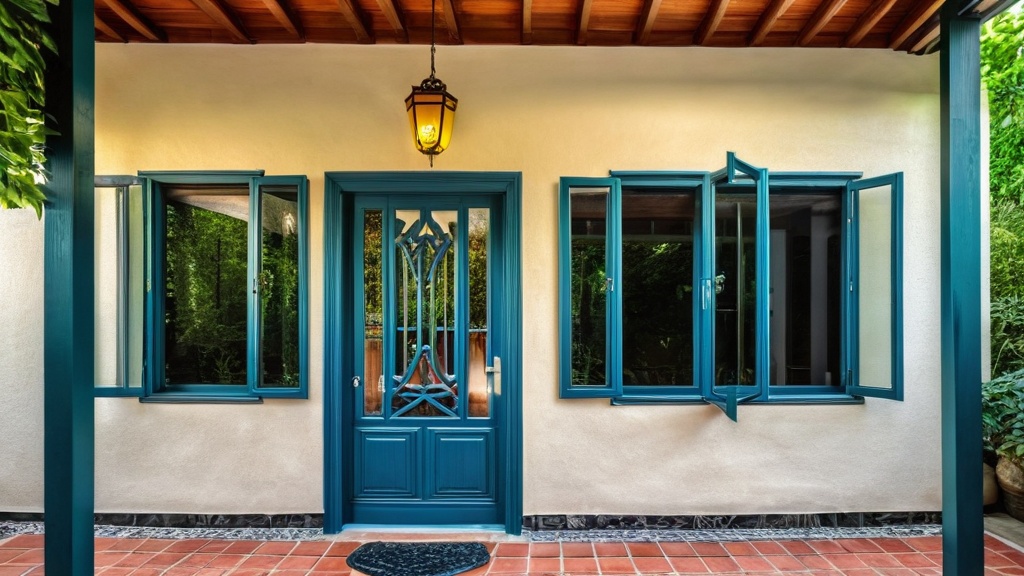
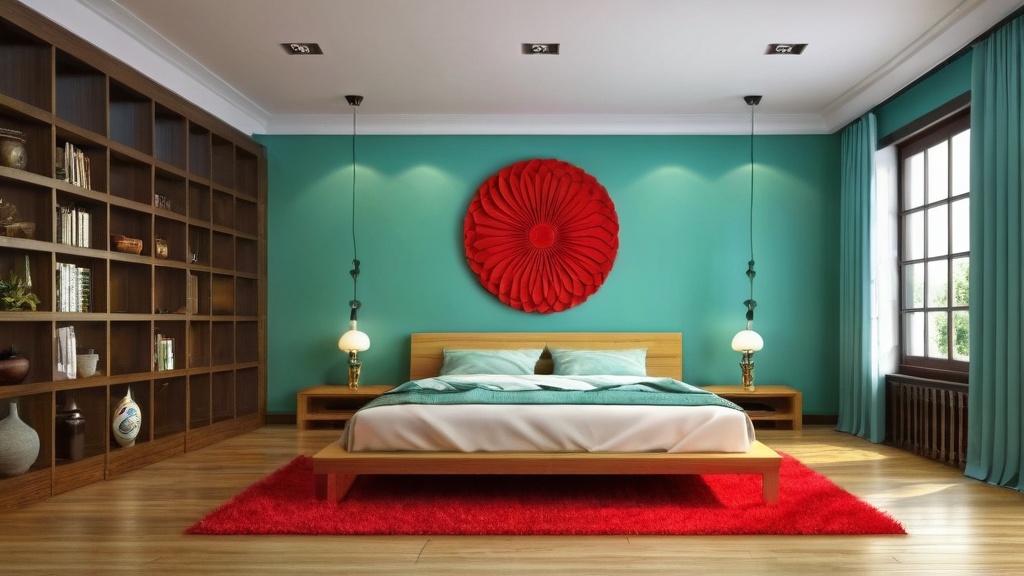
Feng Shui, an ancient Chinese practice, emphasizes the importance of energy flow in our environments. At the heart of this philosophy lies the concept of color, which plays a crucial role in influencing mood, energy, and overall well-being. Each color is believed to resonate with specific energies and elements, impacting the atmosphere of a space. By understanding these associations, you can harness the power of color to create a harmonious environment that promotes positivity and balance.
When you delve into the world of Feng Shui colors, you’ll discover that each hue corresponds to one of the five elements: wood, fire, earth, metal, and water. For instance, greens and browns represent wood, symbolizing growth and vitality. Reds and oranges embody fire, igniting passion and enthusiasm. Earthy tones like yellows and beiges connect to the earth element, fostering stability and nourishment. Metallic shades such as silver and gold resonate with metal, promoting clarity and precision. Lastly, blues and blacks represent water, encouraging calmness and fluidity. By understanding these associations, you can make informed choices about the colors you incorporate into your kitchen.
Key Takeaways
- Feng Shui colors influence the energy and mood of your kitchen space.
- Select colors that align with the kitchen’s elemental energy, such as reds and oranges for fire.
- Proper placement of colors enhances positive energy flow and balance.
- Avoid clashing or overly dark color combinations to maintain harmony.
- Regular upkeep of color schemes supports a peaceful and vibrant kitchen environment.
Choosing the Right Colors for Your Kitchen
When it comes to selecting colors for your kitchen, it’s essential to consider not only aesthetics but also the energy you wish to cultivate in this vital space. The kitchen is often referred to as the heart of the home, where nourishment and connection occur. Therefore, choosing colors that promote warmth and comfort can significantly enhance your kitchen’s atmosphere. Soft yellows or warm whites can create an inviting ambiance, making it a welcoming space for family gatherings and culinary adventures.
In addition to warmth, think about the functionality of your kitchen. If you enjoy cooking and entertaining, vibrant colors like red or orange can stimulate appetite and energy. These hues can invigorate the space, making it feel lively and dynamic. However, if you prefer a more serene environment for cooking or relaxation, consider cooler tones like soft blues or greens. These colors can evoke a sense of tranquility, allowing you to unwind while preparing meals or enjoying a cup of tea. Ultimately, the right color choice should reflect your personal style while aligning with the energy you want to cultivate in your kitchen.
Implementing Feng Shui Color Schemes
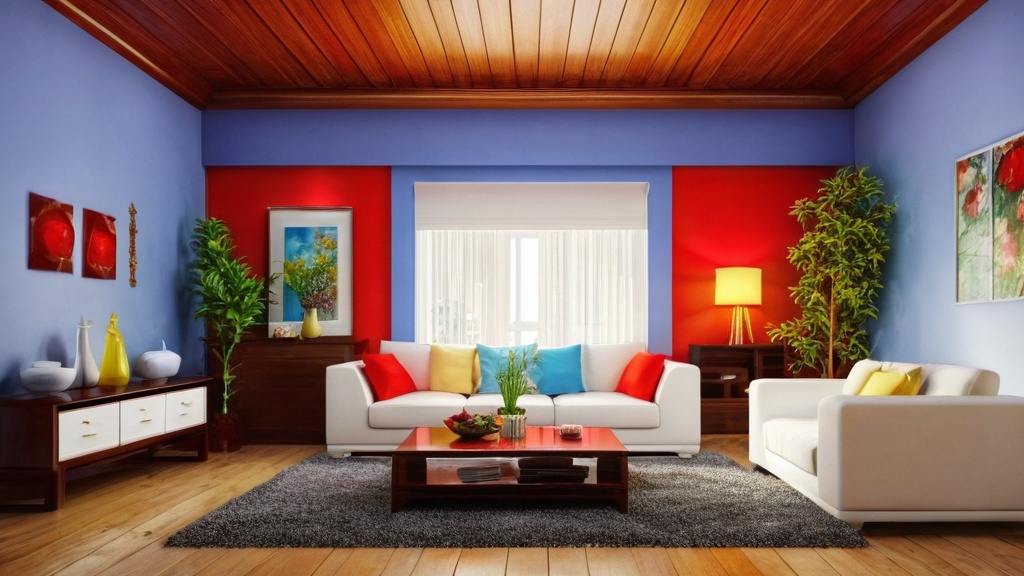
Once you’ve identified the colors that resonate with you and your kitchen’s purpose, it’s time to implement a cohesive Feng Shui color scheme. This involves not only selecting primary colors but also considering how they interact with one another within the space. A well-thought-out color scheme can create a sense of flow and harmony, enhancing the overall energy of your kitchen.
To begin, choose a dominant color that will serve as the foundation for your kitchen’s design. This could be a warm neutral like beige or a vibrant hue like red.
From there, select complementary colors that will accentuate your primary choice.
For instance, if you opt for a warm beige as your base, consider adding accents of deep green or rich brown to evoke a sense of earthiness and stability. Alternatively, if you choose a bold red as your main color, pairing it with soft whites or light grays can help balance its intensity while maintaining an energetic vibe.
Creating Balance and Harmony in the Kitchen
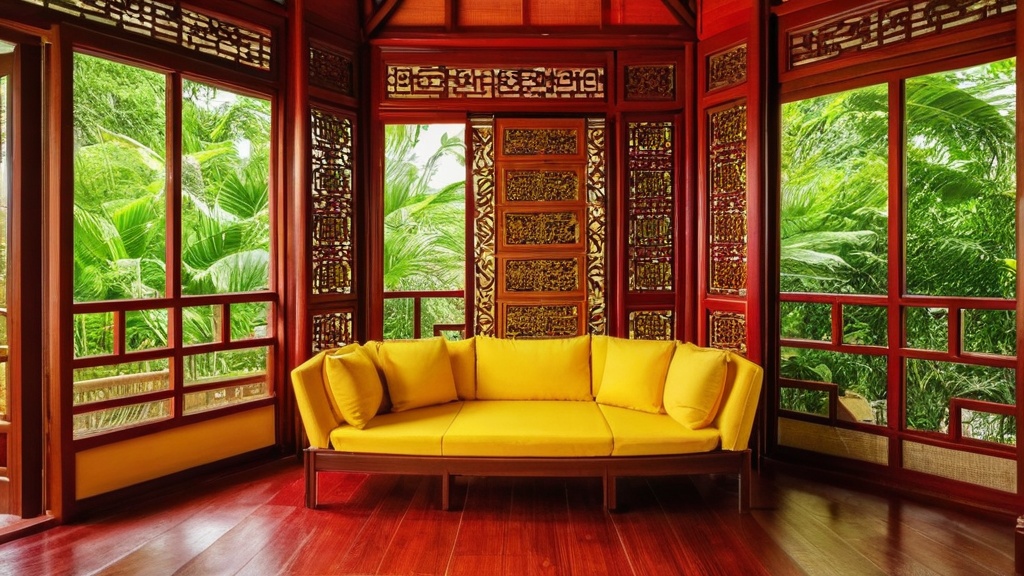
Creating balance and harmony in your kitchen goes beyond just color selection; it involves considering how different elements work together to foster a positive environment. In Feng Shui, balance is achieved through the careful arrangement of colors, materials, and shapes. For instance, if your kitchen features sharp angles or hard surfaces, incorporating softer colors or rounded shapes can help counteract any harshness.
One effective way to achieve balance is by using the principle of the five elements in your color choices. For example, if your kitchen leans heavily on metal tones like stainless steel appliances or fixtures, consider introducing earthy colors like terracotta or warm browns to ground the space.
This interplay between elements creates a dynamic yet harmonious environment that supports both functionality and aesthetics.
Enhancing Energy Flow with Color Placement
| Color | Element | Meaning | Recommended Use in Kitchen | Effect on Energy |
|---|---|---|---|---|
| Red | Fire | Passion, Energy, Warmth | Accent walls, accessories, or small appliances | Boosts energy and appetite, stimulates conversation |
| Yellow | Earth | Happiness, Optimism, Clarity | Wall paint or kitchen linens | Enhances mood and promotes a cheerful atmosphere |
| Green | Wood | Growth, Health, Harmony | Plants, cabinetry, or backsplash | Encourages balance and freshness |
| White | Metal | Purity, Cleanliness, Simplicity | Walls, countertops, or appliances | Promotes clarity and cleanliness |
| Blue | Water | Calm, Peace, Relaxation | Decorative accents or small areas | Soothes and cools energy, use sparingly in kitchen |
| Brown | Earth | Stability, Support, Comfort | Wooden furniture or flooring | Grounds the space and adds warmth |
In Feng Shui, the placement of colors within a space is just as important as the colors themselves. The way you distribute colors throughout your kitchen can significantly impact energy flow and overall ambiance. To enhance energy flow, consider using lighter colors in areas where you want to promote openness and movement, such as walls or ceilings. Lighter shades can make a space feel more expansive and inviting.
Conversely, darker colors can be used strategically in areas where you want to create intimacy or focus. For example, painting an accent wall in a deep blue or green can provide a cozy nook for dining or relaxation while still allowing lighter colors to dominate the rest of the kitchen. Additionally, consider how natural light interacts with your chosen colors; bright spaces can amplify lighter hues while casting shadows on darker tones. By thoughtfully placing colors throughout your kitchen, you can create an environment that feels balanced and energizing.
Incorporating Elemental Colors in the Kitchen
Incorporating elemental colors into your kitchen design is an excellent way to align with Feng Shui principles while enhancing the overall energy of the space. Each element brings its unique qualities and benefits that can contribute to a harmonious kitchen environment. For instance, introducing wood tones through cabinetry or flooring can evoke feelings of growth and vitality, making your kitchen feel more alive.
Fire element colors like red or orange can be used sparingly as accents—perhaps in decorative items or small appliances—to stimulate energy and creativity in cooking. Earthy tones such as yellows or browns can be integrated through textiles like tablecloths or dishware to promote stability and nourishment. Metal colors can be reflected in fixtures or appliances to encourage clarity and precision in your culinary endeavors. Lastly, incorporating water element colors like blues or blacks through backsplash tiles or wall art can foster calmness and fluidity in your kitchen space.
Avoiding Negative Color Combinations
While exploring color options for your kitchen, it’s equally important to be aware of negative color combinations that may disrupt harmony and balance. Certain color pairings can clash energetically or create an overwhelming atmosphere that detracts from the positive energy you wish to cultivate. For example, combining overly bright colors like neon shades with muted tones can create visual discord that feels chaotic rather than harmonious.
Additionally, be cautious with color saturation; using too many bold hues in close proximity can lead to feelings of anxiety or restlessness. Instead, aim for a balanced approach by mixing bold colors with softer shades to create visual interest without overwhelming the senses. By being mindful of color combinations that may disrupt harmony, you can ensure that your kitchen remains a peaceful and inviting space.
Maintaining a Harmonious Kitchen Environment
Once you’ve established a Feng Shui-inspired color scheme in your kitchen, maintaining that harmonious environment is key to ensuring its continued positive energy flow. Regularly assess how the colors in your kitchen make you feel; if certain hues begin to feel stale or uninviting over time, consider refreshing them with new accents or decor items that align with your evolving tastes.
Additionally, keep clutter at bay to allow energy to flow freely throughout your kitchen space. A clean and organized environment enhances the impact of your chosen colors while promoting a sense of calmness and clarity. Incorporating plants or natural elements can also help maintain harmony by bringing life into the space and reinforcing connections to nature.
In conclusion, understanding Feng Shui colors and their impact on your kitchen environment allows you to create a space that is not only visually appealing but also energetically supportive. By choosing the right colors, implementing thoughtful schemes, and maintaining balance and harmony, you can transform your kitchen into a nurturing haven that fosters connection, creativity, and well-being for all who enter it.
FAQs
What are the best feng shui colors for a kitchen?
The best feng shui colors for a kitchen typically include warm and inviting shades such as red, orange, yellow, and earth tones. These colors are believed to stimulate appetite, promote energy, and create a welcoming atmosphere.
Why is color important in feng shui for the kitchen?
In feng shui, color influences the flow of energy (chi) in a space. The kitchen is associated with the fire element, so colors that enhance warmth and vitality help balance the energy, supporting health, prosperity, and family harmony.
Can cool colors be used in a feng shui kitchen?
Yes, cool colors like green and blue can be used in a feng shui kitchen, but they should be balanced with warm tones. Green represents growth and renewal, while blue can bring calmness. However, too much cool color may weaken the fire element associated with the kitchen.
How do I choose feng shui colors based on my kitchen’s direction?
Feng shui recommends selecting colors that correspond to the kitchen’s compass direction. For example, a south-facing kitchen benefits from red or bright colors (fire element), while an east-facing kitchen aligns well with green or wood tones. This helps harmonize the kitchen’s energy with its environment.
Are there any colors to avoid in a feng shui kitchen?
It is generally advised to avoid dark, dull, or overly cold colors like black or gray in the kitchen, as they can suppress energy and appetite. Also, excessive use of blue or water-related colors may weaken the fire element, disrupting the kitchen’s positive energy flow.