You seek solace, a moment to unfurl from the clamor of your days. You desire a sanctuary of stillness, a return to a state of gentle ease. This article is a guide to finding that restorative peace, focusing on Child’s Pose and other postures that invite profound relaxation.
Child’s Pose, or Balasana, is a profound invitation to return to a primal sense of safety and surrender. You might recall it from early yoga classes, perhaps as a pose you retreated to when feeling overwhelmed. It’s not just a resting pose; it’s a gateway to a deeper wellspring of calm within you. Its beauty lies in its simplicity and its powerful ability to quiet the mind and soothe the body. When you settle into Child’s Pose, you are not performing a feat of physical prowess but rather allowing your structure to release its held tension.
This posture offers a gentle embrace, a return to a fetal-like position that instinctively signals safety to your nervous system. You are cradled by the earth, supported and held. The act of folding forward, bringing your torso toward your thighs, creates a sense of drawing inward, a natural inclination when seeking comfort. Your breath becomes a gentle anchor, deepening its rhythm as your body softens.
The Mechanics of Surrender
To find yourself in Child’s Pose, you begin by kneeling on your mat. Feel the connection of your shins and tops of your feet to the surface beneath you. From this kneeling position, you invite your hips to rest back towards your heels. You might find that your heels don’t quite touch your hips, and that’s perfectly fine. Allow for a natural space to exist.
Next, you fold your torso forward, allowing your head to descend towards the mat. Your forehead finds a resting place, a point of contact that encourages a release of tension from your neck and jaw. You can extend your arms forward, reaching them along the mat, palms facing down. Alternatively, you can rest your arms alongside your body, letting them relax with your palms facing upwards. Experiment to discover what feels most comfortable and most restorative for you in this moment.
Breathing into Calm
The breath is your closest companion in Child’s Pose. As your belly presses gently against your thighs, your breath can naturally deepen. You are encouraged to breathe into your back body, feeling your ribs expand outwards and your spine lengthen with each inhale. With each exhale, you allow yourself to soften further, releasing any gripping or holding. You are not trying to force your breath into a particular pattern; rather, you are allowing your breath to find its natural, unhurried rhythm. Through this gentle attention to your breath, you begin to observe the fluctuations of your mind quieting, the internal chatter subsiding.
Adapting for Personal Comfort
The notion that yoga is a one-size-fits-all practice is a misconception. Your body is unique, and your needs will shift from day to day. Child’s Pose is no exception, and modifications are readily available to increase your comfort and deepen your relaxation. If your knees feel sensitive, you can place a folded blanket or cushion between your thighs and calves. If your forehead doesn’t comfortably reach the mat, or if you feel strain in your neck, you can place a folded blanket, a block, or a pillow beneath your forehead. This support allows your head to be at a level where your neck can remain completely relaxed.
For those who find the full forward fold constricting, you can widen your knees apart, allowing more space for your torso to rest between them. In this variation, your chest can soften towards the mat. Your arms can still be extended forward for a mild shoulder stretch, or they can rest alongside your body. The goal is not to achieve a perfect aesthetic but to create a state of genuine ease.
The Restorative Power of Support
When we talk about resting postures, the concept of support is paramount. You are not being asked to hold yourself in a precarious position; rather, you are being invited to be held. Props are not a sign of weakness or an indication that you are doing the pose “wrong.” They are tools that can unlock deeper levels of relaxation, making the pose accessible and profoundly beneficial.
Layering for Serenity
Think of using props as layering blankets on a cold night. You add warmth and comfort where you need it most. For Child’s Pose, a bolster placed beneath your chest or abdomen can offer a feeling of being lifted and supported, reducing the gravitational pull and allowing your back to release more readily. This is particularly helpful if you experience any back discomfort.
A pillow beneath your forehead can also provide a welcome cushion, allowing you to soften your facial muscles and truly surrender into the pose. For some individuals, holding Child’s Pose for an extended period without support can lead to fatigue. Props prevent this, allowing you to remain in the restorative stillness for longer durations.
Arm Variations for Ease
The position of your arms in Child’s Pose can greatly influence your comfort. While extending them forward offers a gentle stretch for the shoulders and upper back, some individuals find this position too stimulating or it can create tension in the shoulders. Bringing your arms alongside your body, with palms facing upwards, is a more passive option. This allows your shoulders to totally surrender their weight. Your hands can simply rest by your feet. You might also find comfort in cupping your hands as if to hold water, a gentle gesture that can further release tension in your wrists.
Beyond Child’s Pose: Other Resting Havens
While Child’s Pose stands as a cornerstone of restorative practice, you are not limited to a single option for finding deep calm. The yoga tradition offers a rich tapestry of postures that serve a similar purpose, catering to different body types and preferences. Exploring these variations can enrich your practice and provide you with a broader toolkit for moments of quiet introspection.
Butterfly Pose for Gentle Opening
Butterfly Pose, or Baddha Konasana, is another accessible posture that promotes relaxation, particularly in the hips and inner thighs. You begin by sitting upright with the soles of your feet pressed together. Allow your knees to fall out to the sides, forming a diamond shape with your legs. You do not need to force your knees towards the floor.
Variations of Butterfly
From this initial position, you can choose to remain upright, focusing on your breath and the gentle opening in your hips. Alternatively, you can fold forward, bringing your torso towards your feet. For added support, you can place a bolster or pillows beneath your chest or forehead, allowing you to surrender more fully into the forward fold without strain. You can also place blocks or cushions beneath your knees if they feel unsupported.
Sleeping Butterfly Pose
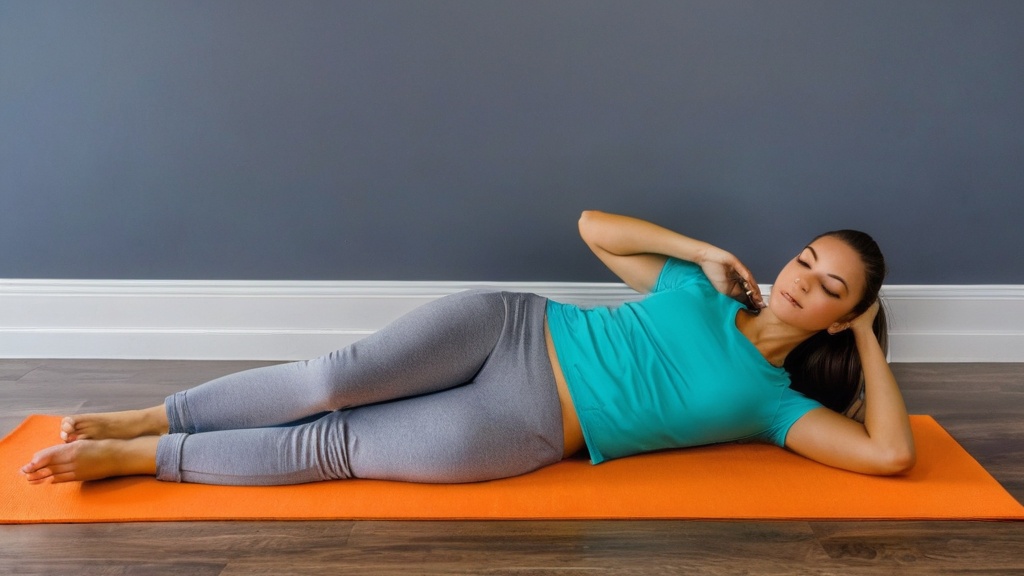
A more restful variation of Butterfly Pose is Sleeping Butterfly, where you lie back onto your support. You can use a bolster placed lengthwise beneath your spine, allowing your body to be fully supported from sacrum to head. Your arms can rest alongside your body, or you can bring your hands to your belly or heart center. This gentle supine twist encourages deep relaxation throughout your being.
Supported Ancient Seated Poses
For those who find Child’s Pose uncomfortable due to knee or ankle sensitivity, supported variations of ancient seated postures offer a welcome alternative. Supported Virasana (Hero Pose) and Supported Vajrasana (Thunderbolt Pose) provide grounded and restful positions when the traditional kneeling of Child’s Pose is not suitable.
Supported Virasana
To enter Supported Virasana, you kneel on the mat with your knees together. You then place a folded blanket or bolster between your heels and your buttocks. Rest your hips onto this support. Your thighs might be angled upwards, and the pressure on your knees and ankles is considerably reduced. You can sit here upright, or you can fold forward with support for your head, similar to Child’s Pose.
Supported Vajrasana
Vajrasana involves sitting back onto your heels with the tops of your feet flat on the mat, legs together. If this causes pressure on your knees or ankles, you can place a folded blanket or cushion beneath your shins or between your buttocks and your heels. You can also place a block or cushion beneath your forehead when folding forward. These supported versions allow you to experience the grounding sensation of these postures without discomfort.
The Breath as Your Anchor
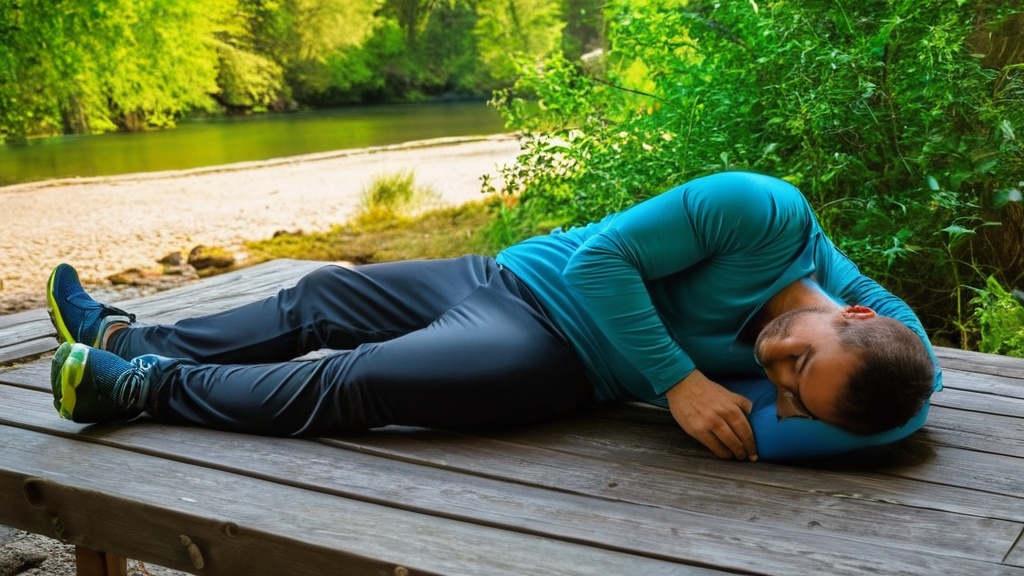
Regardless of which resting posture you choose, your breath remains your most potent tool for cultivating calm. You are not striving for a perfect posture, but rather for a state of being. Your breath is the thread that connects your body, mind, and spirit. When you focus on the gentle rhythm of your inhalation and exhalation, you draw your awareness away from the chatter of your thoughts and back into the present moment.
Cultivating a Deeper Connection
In any resting pose, consciously invite your breath to deepen. Feel your belly rise and fall with each breath. Notice the expansion in your rib cage, particularly as you inhale into your back. With each exhale, encourage your body to soften, to let go of any tension you are holding. You might find yourself naturally sighing as you release, a physical manifestation of your body’s stress dissolving.
For Young Minds and Bodies
The principles of relaxation translate beautifully to children. Child’s Pose, for instance, is an invaluable tool for helping young ones regulate their emotions and find a sense of calm. When a child feels overwhelmed or overstimulated, inviting them into Child’s Pose can provide a safe haven. You can encourage them to rest their forehead on their hands, or on a soft cushion. Holding the pose for short durations, perhaps 2–5 minutes, can help them slow their breathing and find a moment of peace. Parents and caregivers can even practice alongside children, modeling this behavior and creating a shared experience of tranquility.
The Art of Letting Go
| Resting Posture | Description | Benefits |
|---|---|---|
| Child’s Pose | A kneeling posture where the torso is folded forward and the forehead rests on the ground | Relieves back and neck pain, stretches the hips, thighs, and ankles, and promotes relaxation |
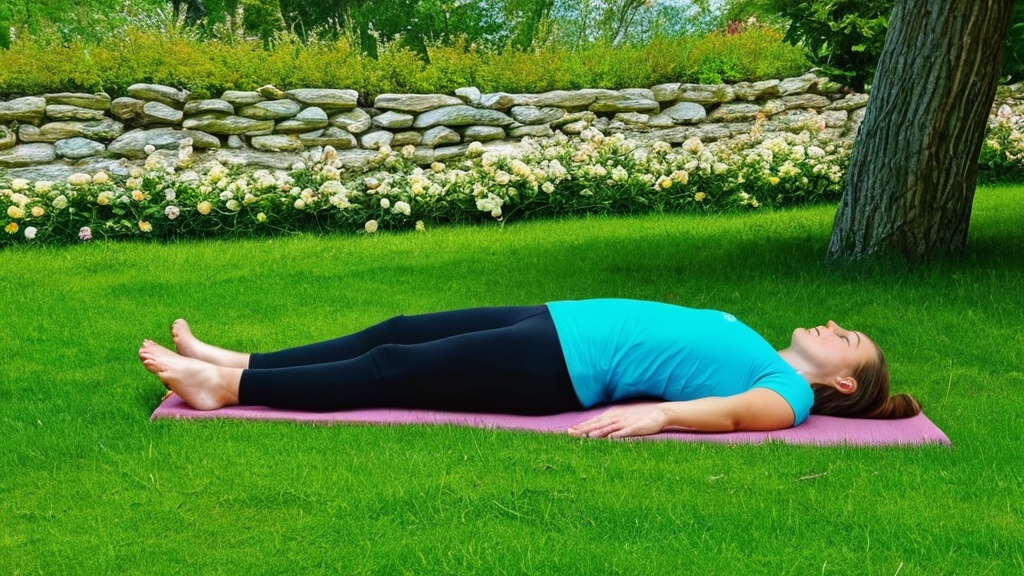
| Corpse Pose | Lying flat on the back with arms and legs extended, palms facing up | Promotes deep relaxation, reduces stress and anxiety, and helps in rejuvenating the body |
| Seated Forward Bend | Sitting with legs extended and bending forward to reach the toes | Stretches the spine, hamstrings, and shoulders, calms the mind, and relieves stress |
Your well-being is a practice, not a destination. Resting postures are not a luxury but a necessity for maintaining your equilibrium in a demanding world. By incorporating Child’s Pose and its kindred postures into your routine, you are actively choosing to prioritize your inner peace. You are learning the art of letting go, of surrendering to the restorative power that lies within you.
Integrating Rest into Your Life
Consider how you can weave these moments of stillness into your daily or weekly rhythm. Perhaps you begin your day with a few minutes in Child’s Pose to set a calm intention. Or maybe you end your day with a supportive Butterfly Pose to release the accumulated stresses of the day. Even short, consistent periods of rest can yield profound benefits, helping you to feel more centered, more resilient, and more at ease in your own skin.
The Lasting Impact of Stillness
Allow yourself the grace to be still. You do not need to achieve anything in these poses; your only task is to receive their gifts. The back, hips, thighs, ankles, shoulders, and spine will thank you for this gentle attention. Your nervous system will find solace. You may even discover that your sleep improves, your blood pressure stabilizes, and your digestion feels more at ease. These are not miracles, but the natural consequence of listening to your body’s innate wisdom and providing it with the rest it craves and deserves.
FAQs
What is Child’s Pose and other resting postures?
Child’s Pose, also known as Balasana in Sanskrit, is a resting yoga posture that involves sitting back on the heels with the arms extended in front of the body. Other resting postures for beginners include Corpse Pose (Savasana), Legs-Up-The-Wall Pose (Viparita Karani), and Reclining Bound Angle Pose (Supta Baddha Konasana).
What are the benefits of Child’s Pose and other resting postures?
Child’s Pose and other resting postures help to release tension in the body, calm the mind, and promote relaxation. They can also help to stretch the back, hips, and thighs, as well as improve circulation and digestion.
How do I practice Child’s Pose and other resting postures?
To practice Child’s Pose, start by kneeling on the floor with the big toes touching and the knees spread apart. Sit back on the heels and extend the arms forward, resting the forehead on the mat. For other resting postures, follow specific instructions for each pose, and always listen to your body and breathe deeply.
Are Child’s Pose and other resting postures suitable for beginners?
Yes, Child’s Pose and other resting postures are suitable for beginners as they are gentle and can be modified to suit individual needs. It’s important to practice these postures with awareness and to seek guidance from a qualified yoga instructor if needed.
Are there any contraindications for practicing Child’s Pose and other resting postures?
While Child’s Pose and other resting postures are generally safe for most people, individuals with knee or ankle injuries should use caution or avoid putting pressure on those areas. Pregnant women should also modify these postures to ensure comfort and safety. It’s always best to consult with a healthcare professional before starting a new yoga practice.