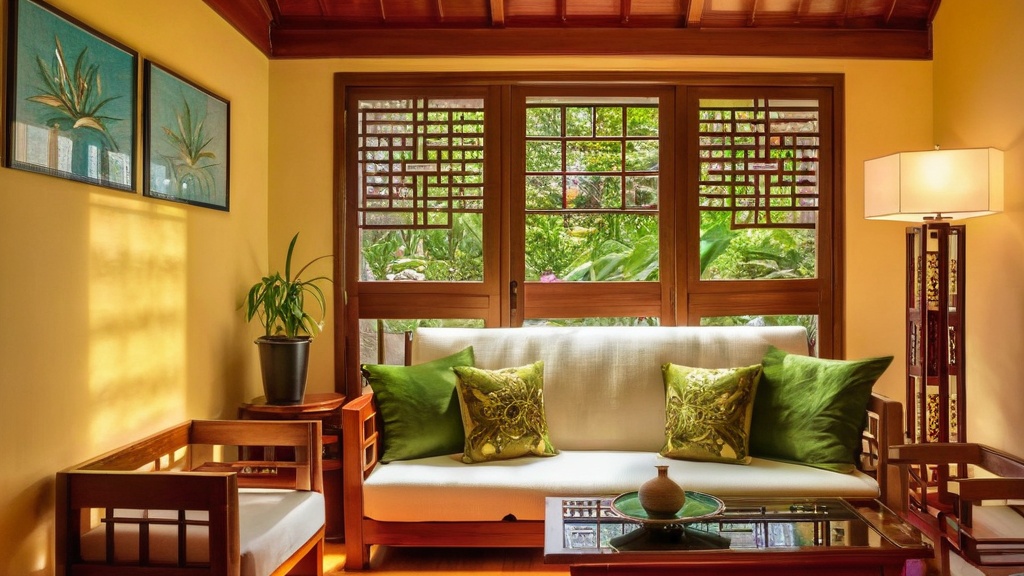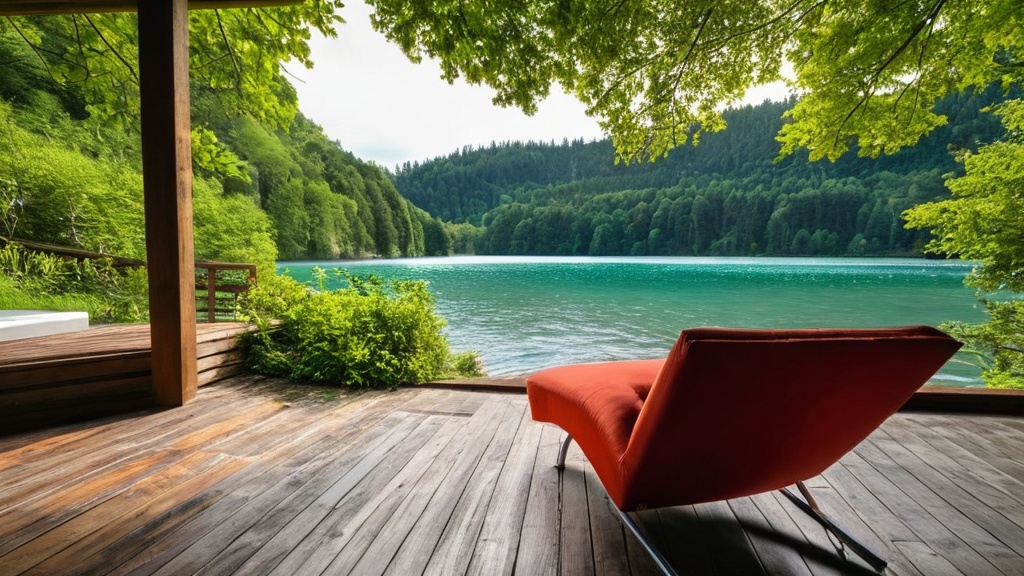
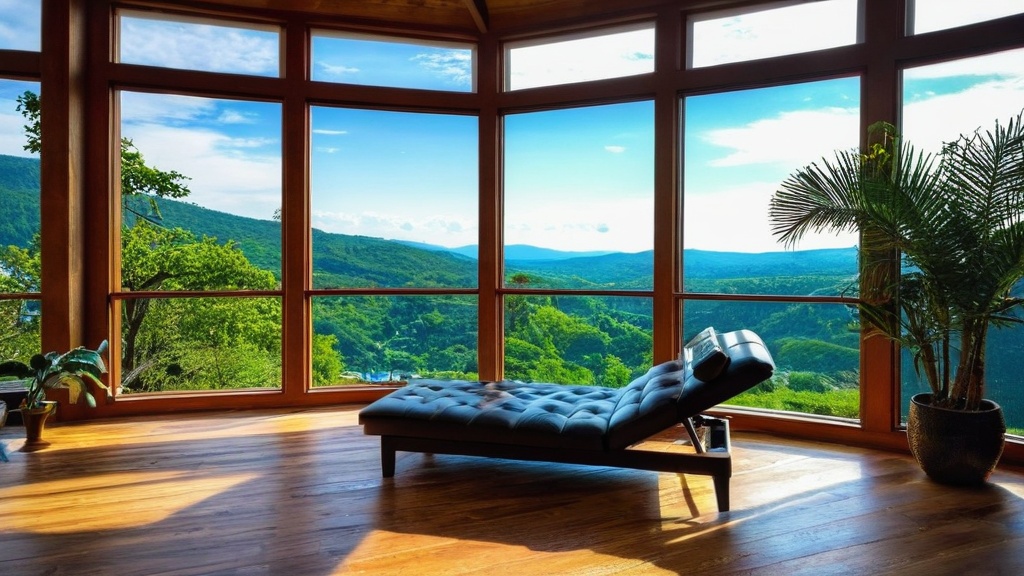
Creating a serene home environment is essential for your overall well-being. Your home is not just a physical space; it is a sanctuary where you retreat from the chaos of the outside world. A peaceful atmosphere can significantly impact your mental health, reducing stress and anxiety while promoting relaxation and clarity. When you step into a serene environment, you are more likely to feel grounded and centered, allowing you to recharge and rejuvenate after a long day. This tranquility can enhance your mood, improve your focus, and even foster better relationships with those you share your space with.
Moreover, a serene home environment encourages mindfulness and intentional living. When your surroundings are calm and organized, you are more likely to engage in activities that promote well-being, such as reading, meditating, or spending quality time with loved ones. By prioritizing serenity in your home, you create a space that nurtures your mind and spirit, allowing you to cultivate a lifestyle that values peace and harmony. This intentional approach to your living space can lead to a more fulfilling life, where you feel empowered to pursue your passions and dreams.
If you’re looking for ways to enhance your relaxation experience at home, consider exploring the concept of meditation and its significance. A great resource on this topic is the article found at Home Meditation: Meaning in Hindi, which delves into the benefits of meditation practices and how they can help create a serene environment in your living space. By incorporating meditation into your daily routine, you can cultivate a deeper sense of peace and tranquility at home.
Key Takeaways
- A serene home environment promotes mental well-being and reduces stress.
- Decluttering and organizing help create a peaceful, functional living space.
- Calming colors and natural elements enhance tranquility and connection to nature.
- Cozy textures and mindful lighting increase comfort and relaxation.
- Aromatherapy and designated relaxation zones support ongoing calm and mindfulness.
Decluttering and Organizing Your Space
Decluttering is the first step toward achieving a serene home environment. You may find that excess belongings can create visual noise, leading to feelings of overwhelm and distraction. Begin by assessing each room in your home and identifying items that no longer serve a purpose or bring you joy. This process can be liberating, as it allows you to let go of the past and make room for new experiences. As you declutter, consider implementing the “one in, one out” rule: for every new item you bring into your home, let go of an existing one. This practice helps maintain balance and prevents clutter from accumulating again.
Once you’ve decluttered, organizing your space becomes crucial. You can create designated areas for specific items, ensuring everything has its place. Use storage solutions like baskets, bins, or shelves to keep your belongings tidy and accessible. A well-organized space not only looks visually appealing but also promotes efficiency in your daily routines. When everything is in order, you can easily find what you need without the frustration of searching through piles of clutter. This sense of order contributes to a more serene atmosphere, allowing you to focus on what truly matters in your life.
Creating a Calming Color Palette
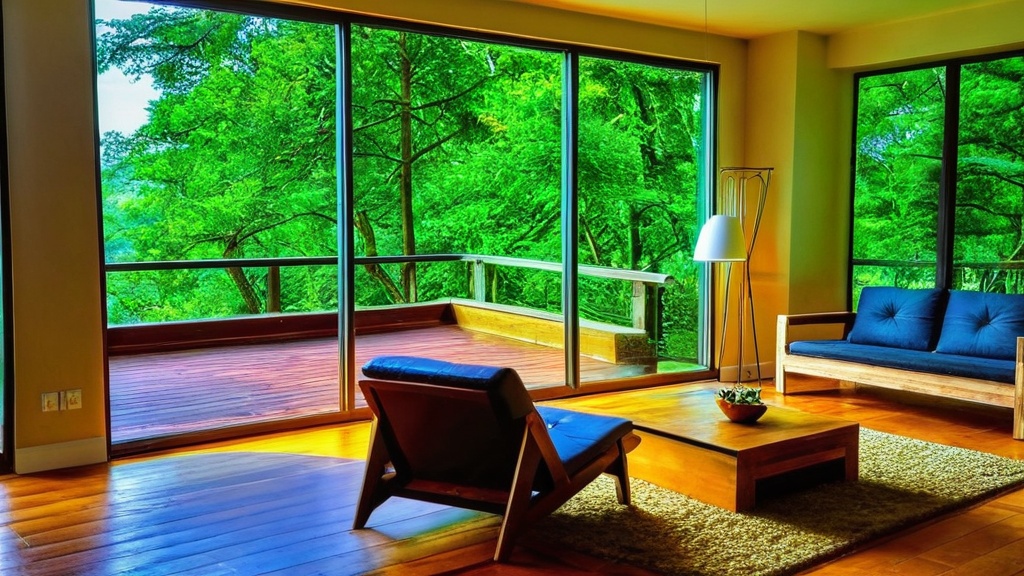
The colors in your home play a significant role in shaping the overall mood of your environment. To foster serenity, consider adopting a calming color palette that promotes relaxation and tranquility. Soft hues such as blues, greens, and neutrals can create a soothing atmosphere that encourages peace of mind. These colors are often associated with nature and can evoke feelings of calmness and serenity. When selecting colors for your walls, furniture, and decor, think about how they make you feel and how they contribute to the overall ambiance of your space.
In addition to wall colors, consider incorporating accent pieces that complement your calming palette. Throw pillows, artwork, and decorative items in similar shades can tie the room together while enhancing the serene vibe. You might also experiment with different textures within your color scheme to add depth and interest without overwhelming the senses. By thoughtfully curating a calming color palette, you create an environment that invites relaxation and encourages mindfulness in your daily life.
Incorporating Natural Elements

Bringing natural elements into your home can significantly enhance its serenity. Nature has a unique ability to soothe the mind and body, making it an ideal source of inspiration for creating a peaceful environment. Start by introducing plants into your living space; they not only purify the air but also add life and vibrancy to your home. Choose low-maintenance varieties if you’re new to plant care, such as succulents or snake plants, which thrive with minimal attention.
In addition to plants, consider incorporating natural materials like wood, stone, or bamboo into your decor. These elements can create a warm and inviting atmosphere while connecting you to the earth. You might choose wooden furniture or stone accents that reflect the beauty of nature. By integrating these natural elements into your home, you cultivate an environment that feels grounded and harmonious, allowing you to unwind and recharge amidst the hustle and bustle of everyday life.
Creating a serene atmosphere at home can significantly enhance your relaxation experience. One effective way to achieve this is by incorporating soothing scents into your living space. For more insights on how to create a calming environment, you can explore this article on relaxing home scents that will help you unwind and rejuvenate after a long day. Embracing these simple changes can transform your home into a sanctuary of peace and tranquility.
Enhancing Comfort with Cozy Textures
| Relaxation Activity | Average Time Spent (minutes/day) | Stress Reduction Effectiveness (%) | Common Environment | Popularity Rank |
|---|---|---|---|---|
| Reading | 30 | 65 | Living Room | 2 |
| Listening to Music | 45 | 70 | Bedroom | 1 |
| Meditation | 20 | 80 | Quiet Room | 4 |
| Watching TV/Movies | 60 | 50 | Living Room | 3 |
| Taking a Bath | 15 | 75 | Bathroom | 5 |
Comfort is key when it comes to creating a serene home environment. One effective way to enhance comfort is by incorporating cozy textures throughout your space. Soft fabrics like cotton, linen, or wool can make a significant difference in how inviting your home feels. Consider adding plush throw blankets or soft area rugs that invite you to sink in and relax after a long day. These tactile elements not only provide physical comfort but also contribute to the overall aesthetic of your home.
Layering textures can also add depth and warmth to your living space. Mix different materials—such as smooth leather with soft knits or rough-hewn wood with plush cushions—to create an inviting atmosphere that encourages relaxation. You might also experiment with various patterns and colors within these textures to find combinations that resonate with you personally. By focusing on comfort through cozy textures, you create an environment that feels like a true sanctuary where you can unwind and recharge.
Mindful Lighting Choices
Lighting plays a crucial role in setting the mood of any space. To cultivate serenity in your home, consider making mindful lighting choices that promote relaxation and comfort. Natural light is ideal for creating an uplifting atmosphere; therefore, maximize sunlight by keeping windows unobstructed during the day. You might also consider using sheer curtains that allow light to filter through while maintaining privacy.
In addition to natural light, think about incorporating various types of artificial lighting to create a warm ambiance during the evening hours. Soft, warm-toned bulbs can evoke feelings of coziness and tranquility compared to harsh fluorescent lights. You might choose floor lamps or table lamps with dimmers that allow you to adjust the brightness according to your mood or activity. By being intentional about your lighting choices, you can create an environment that feels inviting and serene at any time of day.
Utilizing Aromatherapy and Essential Oils
Aromatherapy is another powerful tool for enhancing the serenity of your home environment. Scents have a profound impact on our emotions and can evoke feelings of calmness or energy depending on their nature. Consider incorporating essential oils into your daily routine through diffusers or candles that release soothing fragrances like lavender, chamomile, or sandalwood. These scents can help reduce stress levels while promoting relaxation and mental clarity.
You might also explore creating personalized blends of essential oils tailored to your preferences or specific needs. For instance, if you’re looking for an invigorating boost during the day, citrus scents like lemon or orange can uplift your spirits. On the other hand, if you’re winding down for the evening, calming scents like bergamot or ylang-ylang may help signal it’s time for rest.
By utilizing aromatherapy thoughtfully throughout your home, you create an olfactory experience that enhances serenity and supports overall well-being.
Establishing Relaxation Zones
Finally, establishing dedicated relaxation zones within your home can significantly contribute to its serene atmosphere. These spaces should be designed specifically for unwinding and rejuvenating—places where you can escape from daily stresses and focus on self-care activities like reading, meditating, or simply enjoying quiet moments alone or with loved ones. Consider creating a cozy nook with comfortable seating options such as bean bags or oversized chairs adorned with soft blankets.
In addition to seating arrangements, think about incorporating elements that promote relaxation in these zones—such as calming artwork, soothing music systems, or even small water features like tabletop fountains that provide gentle sounds reminiscent of nature. By intentionally designing these relaxation zones within your home, you cultivate spaces that encourage mindfulness and self-reflection while enhancing the overall serenity of your living environment.
In conclusion, creating a serene home environment involves thoughtful consideration of various elements—from decluttering and organizing to incorporating natural elements and mindful lighting choices. By prioritizing comfort through cozy textures and utilizing aromatherapy effectively, you can transform your living space into a sanctuary that nurtures both body and mind. Establishing dedicated relaxation zones further enhances this tranquility, allowing you to escape from daily stresses and embrace moments of peace amidst life’s chaos. Ultimately, investing time and effort into cultivating serenity at home will lead to a more balanced and fulfilling life overall.
FAQs
What are some effective ways to create a relaxing atmosphere at home?
Creating a relaxing atmosphere at home can be achieved by decluttering your space, using soft lighting such as lamps or candles, playing calming music, incorporating comfortable furniture, and adding elements like plants or essential oils to enhance the ambiance.
How can aromatherapy contribute to relaxation at home?
Aromatherapy uses essential oils extracted from plants to promote physical and emotional well-being. Scents like lavender, chamomile, and eucalyptus are known to reduce stress and anxiety, helping to create a calming environment when diffused or applied in small amounts.
What role does lighting play in home relaxation?
Lighting significantly affects mood and relaxation. Soft, warm lighting helps to create a cozy and soothing environment, while harsh or bright lights can increase alertness and stress. Using dimmable lights or natural light during the day can enhance relaxation.
Are there specific activities recommended for relaxation at home?
Yes, activities such as meditation, deep breathing exercises, reading, gentle yoga, and listening to calming music are commonly recommended to promote relaxation at home. These activities help reduce stress and improve mental clarity.
How important is maintaining a clean and organized space for relaxation?
Maintaining a clean and organized space is important for relaxation because clutter can cause stress and distraction. A tidy environment promotes a sense of calm and control, making it easier to unwind and enjoy peaceful moments at home.