Deep breathing; massage; meditation; Tai Chi; yoga; biofeedback; music and art therapy; aromatherapy; hydrotherapy. The effects of stress, such as increased heart rate, rapid breathing and high blood pressure, decrease when you breathe deeply to relax. Deep breathing is a simple but effective relaxation technique that focuses on full, cleansing breaths. Progressive muscle relaxation is based on the idea that it is hard to be tense when your muscles are relaxed.
In this relaxation technique, you can create mental images to take a visual journey to a peaceful, calming place or situation. Breathing exercises can help you relax because they give your body a feeling similar to the one it has when you are already relaxed. With this technique, you call calming scenes, places or experiences into your mind to help you relax and focus. In general, relaxation techniques are about focusing your attention on something calming and raising your awareness of your own body.
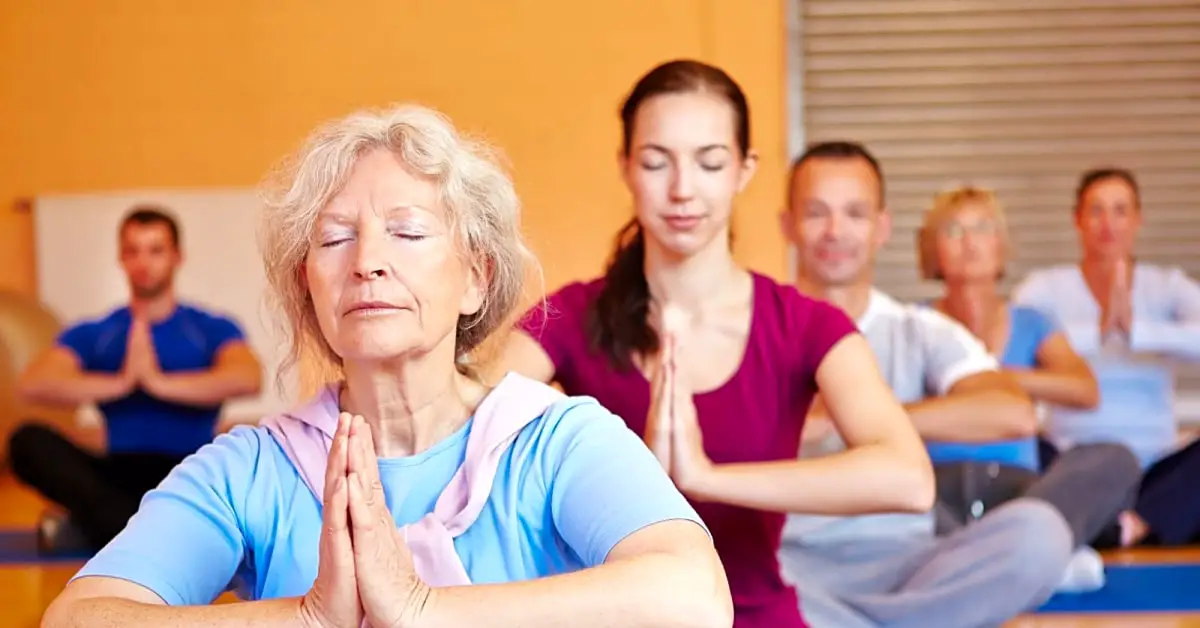
By focusing on the movements and breathing, you keep your attention focused on the present, which clears the mind and leads to a relaxed state. While you may pay for a professional massage or acupuncture session, for example, most relaxation techniques can be done on your own or with the help of a free audio download or low-cost smartphone app. But the longer and the more often you use these relaxation techniques, the greater the benefits and the more you can relieve stress. Relaxation techniques are a variety of methods and moves that can relieve stress, muscle tension and anxiety in the body.
These exercises lower heart rate and blood pressure, slow and deepen breathing, and create an increased sense of well-being. Some of the studies discussed in this fact sheet compare relaxation techniques with cognitive behavioural therapy. Slow, deep breathing is one of the simplest and most basic ways to activate the body’s natural relaxation response.