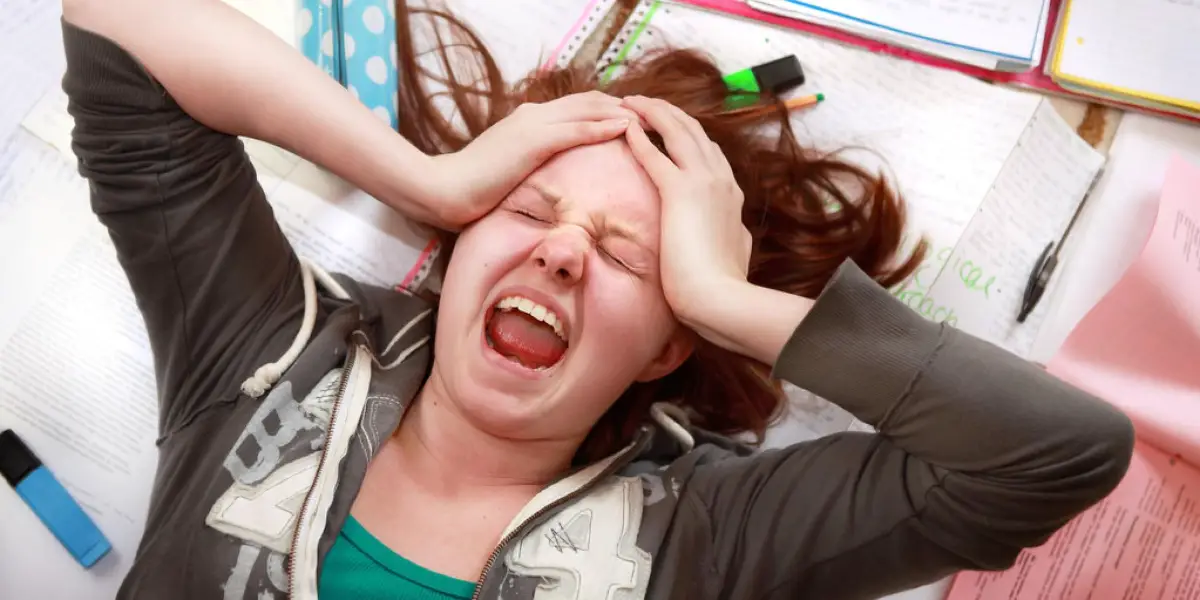
When you feel stress, your body reacts by releasing hormones that increase your blood pressure and heart rate. This is called a stress response. Relaxation techniques can help your body relax and lower your blood pressure and heart rate. Reduce exam stress by practising breathing exercises or meditation.
Breathing exercises help you calm your nerves and increase your concentration. Using relaxation techniques for exam anxiety can help you reduce your anxiety, gain a sense of control over the situation and focus on the exam material. According to Worcester Polytechnic Institute, using short-term and long-term relaxation techniques can help reduce and control the anxiety associated with the exam. If you are faced with numerous responsibilities and tasks or the demands of an illness, relaxation techniques may not be a priority in your life.
A progressive muscle relaxation method involves first tensing and relaxing the muscles in your toes before gradually working your way up to your neck and head. Relaxation techniques can help you deal with everyday stress and stress related to various health problems such as heart disease and pain. Learning the relaxation techniques that can help you turn your exam anxiety into a relaxation response is not difficult, but you will need to practice them regularly until you are confident in them. If you feel overwhelmed while staring at your exam notes, eating sugary or caffeinated foods and drinks will only add to your stress.
Although this is rare, if you feel emotionally uncomfortable during relaxation techniques, you should stop the exercise and talk to your doctor or a psychological counselling service. It is also advisable to develop a routine for bedtime so that the body knows it is about to go to sleep and prepares for it. For example, imagine a peaceful environment and then focus on controlled, relaxing breathing, slowing your heartbeat or feeling different physical sensations, such as relaxing one arm or leg at a time. Below are six relaxation techniques that can help you elicit the relaxation response and reduce stress.
Regular exercise not only reduces stress, but can also improve concentration and mental awareness – two things that are essential while studying. An endurance exercise in the fresh air lifts your mood, but a yoga break also helps to relax your body and mind for the next study session. When you imagine relaxing by the sea, for example, think of the smell of salt water, the sound of the waves and the warmth of the sun on your body. When it comes to reducing exam anxiety, a visualisation method called palming is a popular choice.
You will get the most benefit if you use relaxation techniques along with other positive coping methods, such as positive thinking, humour, problem solving, time management, physical activity, getting enough sleep and support from family and friends. Health professionals such as alternative practitioners, doctors and psychotherapists can teach different relaxation techniques.