
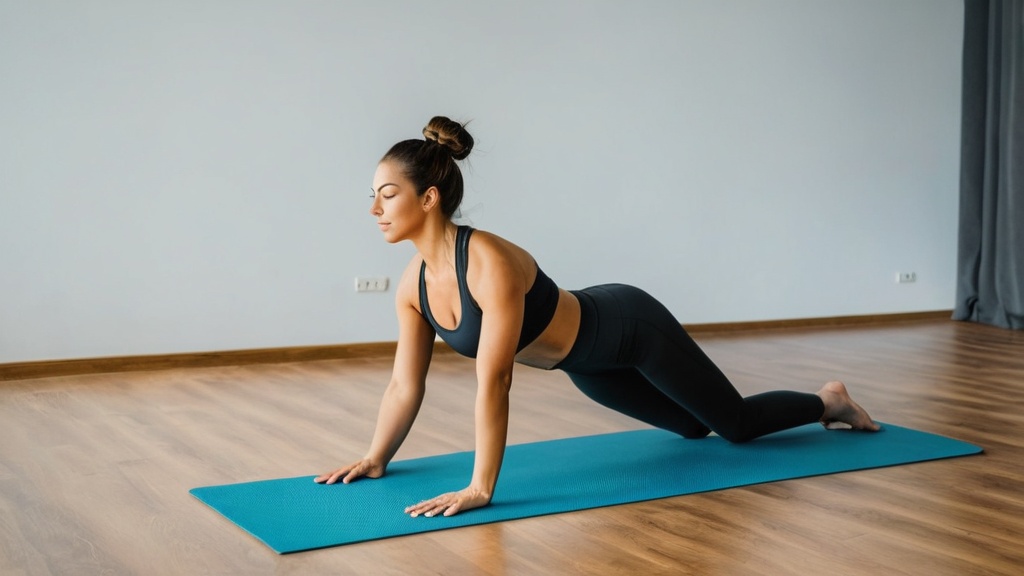
Choosing your first foray into yoga can feel overwhelming. You stand at a crossroads, the digital world of apps on one side, the physical studio with its palpable energy on the other. Figuring out which path is right for you, especially as a beginner, requires understanding the unique strengths each offers. Your yoga adventure deserves a solid start, and we’re here to help you make that decision.
You’re curious about yoga. Perhaps you’ve heard about its calming effects, its potential to improve flexibility, or simply the desire to move your body in a new way. The fundamental question arises: do you download an application to your smartphone or do you find a local studio offering beginner classes? You might feel a pull towards the immediate accessibility of an app, or a desire for the human connection and guidance you imagine a physical class provides. Your budget, your schedule, and your personality all play a part in this initial choice.
The Allure of Digital Guidance
Apps present a compelling entry point. They often come equipped with structured routines, designed specifically for those new to the practice. You can expect detailed explanations for each pose, often accompanied by clear demonstrations, allowing you to understand the correct alignment. Many applications track your progress, showing you how far you’ve come, which can be a powerful motivator. You can pause, rewind, and repeat poses as many times as necessary, a flexibility that is hard to replicate in a live setting. The sheer variety available means you can explore different styles of yoga without leaving your living room.
- Structured Learning Paths: Apps frequently organize their content into logical progressions. You might find a “30-day Beginner Challenge” or a series of classes focusing on foundational poses. This systematic approach ensures you build a strong understanding of the basics before moving on to more complex sequences. You won’t have to guess what to do next; the app guides you.
- Visual Learning Aids: High-quality video demonstrations are commonplace. You can see exactly how a pose should look, observe the subtle adjustments that make a difference, and learn to identify common mistakes. This visual feedback is invaluable when you don’t have an instructor physically present to show you the ropes.
- Convenience at Your Fingertips: Your yoga mat can be anywhere in your home. You can practice first thing in the morning before anyone else is awake, during your lunch break, or in the evening to unwind. The commitment is to yourself and the time you choose to dedicate, not to a fixed schedule dictated by a studio.
- Cost-Effectiveness: Many yoga apps offer free trials or a substantial free tier. This allows you to get a feel for the platform and its teaching style without any financial commitment. Even paid subscriptions are often more affordable than a monthly studio membership, making yoga accessible to a wider range of budgets. Your wallet will thank you for exploring this option first.
The Human Touch of In-Person Instruction
On the other hand, a physical yoga class offers a different, often more profound, kind of support. The instructor is right there, able to observe your form and offer real-time corrections. This immediate feedback can be incredibly beneficial for beginners, helping you avoid injury and develop proper alignment from the start. The energy of practicing alongside others can also be a strong motivator, creating a sense of community and shared experience.
- Immediate Form Correction: This is arguably the biggest advantage of in-person classes. An experienced teacher can spot when your alignment is off, offer gentle adjustments, and explain how to modify a pose to suit your body. This direct feedback helps you develop correct habits and promotes safer, more effective practice. You’re less likely to develop bad habits that are harder to unlearn later.
- Pacing and Flow: An instructor dictates the pace of the class, ensuring a balanced experience. You’ll be guided through transitions and given appropriate amounts of time in each pose. This helps you develop a rhythm and understanding of how poses connect, which can be harder to grasp when you’re controlling the playback yourself.
- Sense of Community and Motivation: Practicing in a studio with others creates a shared atmosphere. You’ll see others who are also learning, which can be encouraging. The instructor’s presence and your commitment to attending a scheduled class can provide a strong sense of accountability, making you more likely to stick with your practice. You’re part of something larger than just your individual effort.
- Expert Guidance: Instructors have years of training and practice. They can answer your questions, provide deeper insights into the philosophy of yoga, and offer modifications for any physical limitations you might have. This depth of knowledge is often beyond what an app can fully replicate.
Evaluating Your Primary Goals
Your personal aspirations will significantly influence your choice. Are you looking for pure convenience and a low-cost entry point, or do you prioritize immediate, expert feedback to ensure safe and effective practice? Understanding what matters most to you at this stage will guide you toward the most suitable option.
Convenience and Flexibility
If your life is packed and finding dedicated time for activities is a challenge, convenience becomes paramount. An app allows you to fit yoga into those small pockets of time you might have. A quick 15-minute session before breakfast or a restorative practice before bed becomes entirely feasible. You are the programmer of your yoga schedule, adapting it to your life rather than trying to adapt your life to a rigid schedule.
- Micro-Sessions for Busy Lives: The availability of short, focused yoga sessions is a game-changer for many beginners. You don’t need to block out an hour or more for a session. These shorter practices are perfect for getting started and building a consistent habit without feeling overwhelmed by the time commitment.
- Practice Anywhere, Anytime: Your living room, a hotel room, even a quiet corner of a park—wherever you have a bit of space and can unroll your mat, you can practice. This freedom from a fixed location is a major benefit for those who travel or have unpredictable schedules.
- Personalized Pace: You decide how long you spend in a pose, when you pause, and when you repeat. This self-directed pacing allows you to truly listen to your body and move at a speed that feels comfortable and appropriate for you on any given day.
Real-Time Correction and Safety
Conversely, if your primary concern is practicing yoga safely and correctly from the outset, the immediate feedback from an in-person class is invaluable. Learning proper alignment from the very beginning can prevent injuries and ensure you are getting the most benefit from your poses. An instructor acts as your experienced guide, helping you avoid common pitfalls.
- Expert Eye on Your Form: An instructor’s ability to see your body in space and provide verbal cues or physical adjustments is unmatched by any app. They can guide you towards the correct engagement of muscles and optimal spinal alignment, which is vital for a healthy and effective practice.
- Injury Prevention: Incorrect form is a leading cause of yoga-related injuries for beginners. Having a trained professional guide your movements significantly reduces this risk, allowing you to explore yoga with greater confidence and peace of mind.
- Understanding Body Sensations: An instructor can help you differentiate between a safe stretch and a harmful strain. They can explain what you should be feeling in a pose and how to adjust if you feel something is not right, teaching you to become more attuned to your body’s signals.
The Role of Motivation and Accountability

Staying motivated is often the biggest hurdle for beginners. Whether you choose an app or a class, find a solution that helps you show up consistently. Different approaches work for different people, so consider what type of support will keep you on your mat.
Apps: Gamification and Community Features
While apps may not offer the direct social pressure of a class, many are incorporating features to foster motivation. Progress tracking, challenges, and even community forums can provide the encouragement you need to continue your practice. The feeling of accomplishment as you check off completed sessions or reach new milestones can be a powerful driver.
- Tracking Your Progress: Seeing your practice history, the number of sessions completed, and perhaps even improvements in flexibility metrics can be a strong visual motivator. It allows you to quantify your efforts and celebrate your achievements, no matter how small they may seem.
- In-App Challenges: Many apps offer structured challenges, like a “30-Day Yoga Reset.” These can create a sense of purpose and a defined goal to work towards, making it easier to maintain a consistent routine. The gamified aspect can make sticking to your practice feel more like a rewarding game.
- Virtual Communities: Some apps include forums or groups where you can connect with other users, share experiences, and offer support. While not the same as in-person interaction, these online communities can provide a sense of belonging and shared purpose.
Classes: The Power of Social Support
The inherent social nature of attending a physical class can be a significant motivator. Knowing that others are practicing alongside you, and that an instructor is expecting you, creates a sense of accountability. The shared energy of a group practicing together can be inspiring and uplifting, making it easier to commit to attending regularly.
- Scheduled Commitment: Knowing you have to be somewhere at a specific time makes it harder to skip your practice. The act of signing up and showing up creates a tangible commitment that many beginners find very effective for building consistency.
- Shared Energy and Inspiration: Practicing in a room full of people moving together creates a unique energy. You can draw inspiration from others, and the collective effort can make even challenging poses feel more manageable. It’s a communal experience that fosters a sense of belonging.
- Direct Instructor Interaction: Building a rapport with your instructor can be motivating. You might feel more inclined to attend classes when you have a teacher whose style you enjoy and who recognizes your progress. This personal connection can foster a deeper commitment to your practice.
The Smartest Way to Start: A Low-Risk Approach
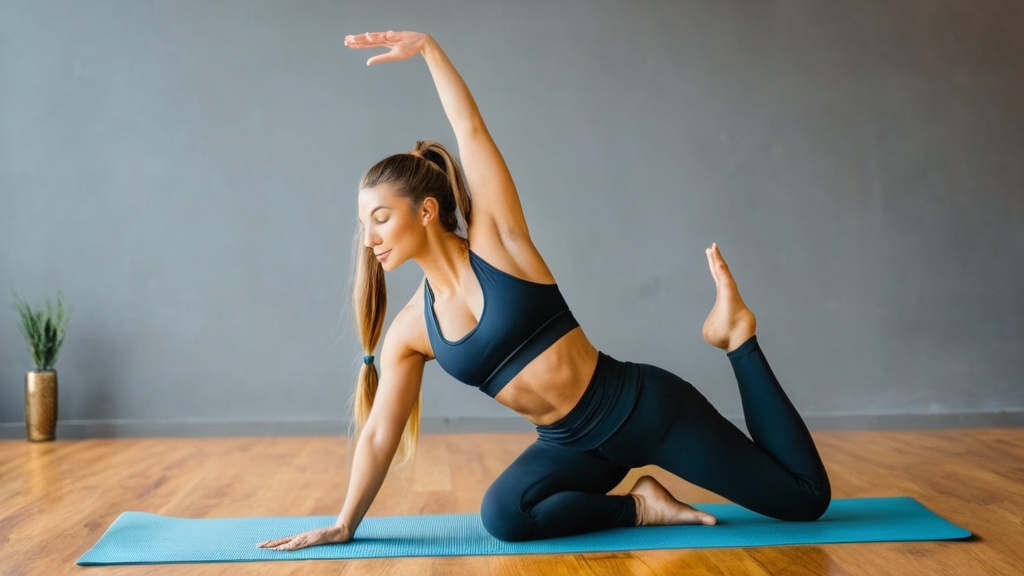
Given the variety of options and the desire to find what works best for you, it makes sense to begin with an approach that minimizes your initial investment and risk. Testing the waters before fully committing can save you time and money.
Trying Before You Buy
Most yoga apps offer free trials or extensive free content. This is your golden opportunity to explore different platforms, teaching styles, and types of classes without spending a dime. You can experiment with a few different apps to see which interface you prefer, which instructors resonate with you, and what kind of routines best suit your needs as a beginner. This allows for a very low-stakes entry.
- Experiment with Free Tiers: Many apps provide a comprehensive free section or a limited-time free trial that gives you access to a good portion of their content. Use this period to sample various classes, explore different instructors, and get a feel for the app’s usability and overall offering.
- Assess Teaching Styles: Different instructors have different ways of explaining poses, offering cues, and structuring their classes. By trying multiple apps, you can find a teaching style that you connect with and understand easily, which is paramount for a beginner.
- Understand the Interface: You’ll want an app that is intuitive and easy to use. Navigating through classes, finding specific poses, and tracking your progress should be straightforward. Free trials let you get accustomed to the platform before you decide to pay.
Studio Intro Offers
Many yoga studios also offer introductory specials for new students, such as a week or month of unlimited classes for a reduced price. This allows you to attend multiple classes at a specific studio and experience their environment, instructors, and community firsthand. It’s a way to get a comprehensive feel for the studio experience without committing to a full membership.
- Explore Studio Atmosphere: A studio’s vibe is as important as its classes. Introduction offers let you visit during different class times to see how busy it gets and what the general feel is like. You can get a sense of the community and whether it feels welcoming to you.
- Sample Different Instructors: Even within one studio, instructors can vary greatly in their teaching approach. An introductory offer allows you to attend classes led by different teachers, helping you find those whose style best suits your learning preferences.
- Experience Different Class Types: Studios often offer a range of yoga styles. Your intro offer might allow you to try a gentle Hatha class one day and a more dynamic Vinyasa class another, giving you a broader understanding of what yoga can offer.
The Future of Yoga for Beginners: AI’s Growing Role
| Metrics | Yoga Apps | Yoga Classes for Beginners |
|---|---|---|
| Cost | Low cost or free | Higher cost for classes |
| Convenience | Accessible anytime, anywhere | Scheduled classes at specific locations |
| Personalization | Customizable to individual needs | Personalized guidance from instructor |
| Interaction | Limited interaction with instructor | Direct interaction with instructor and peers |
| Progress tracking | Track progress through app features | Feedback and guidance from instructor |
The digital yoga space is rapidly evolving. Advancements in technology, particularly artificial intelligence, are making apps increasingly sophisticated and capable of offering personalized experiences that were once only possible in a studio setting. This shift is making apps a more compelling option for beginners seeking effective guidance at home.
AI-Powered Personalization
Imagine an app that not only suggests classes but adapts them based on your feedback, your reported energy levels, or even your progress in specific poses. AI is making this a reality. These intelligent systems can analyze your practice patterns and offer highly personalized recommendations, helping you move forward more effectively. You’re not just following a generic program; you’re getting a program that is designed with you in mind.
- Adaptive Difficulty: AI can adjust the intensity and complexity of poses or sequences based on your performance. If you’re struggling with a particular pose, the AI might offer simpler variations or suggest foundational exercises to build strength. Conversely, it can challenge you when you’re ready for more.
- Personalized Recommendations: Based on your past practices, your stated goals (e.g., flexibility, stress reduction, energy), and even your feedback on specific classes, AI can curate a unique yoga path just for you. This intelligent curation means you’re always practicing what’s most beneficial for your current needs.
- Posture and Alignment Analysis (Emerging): While still in its early stages for widespread consumer use, AI is beginning to power tools that can offer rudimentary posture analysis via your device’s camera. This has the potential to provide visual feedback that mimics some aspects of in-person correction, making at-home practice even safer and more effective.
Enhanced Home Practice
The growing intelligence within yoga apps means you can achieve a more complete and guided practice from the comfort of your own home. The aim is to bridge the gap between the convenience of digital and the expert guidance of in-person instruction. For many beginners, this makes the app the most practical and effective starting point. You can get a high level of guidance without the logistical challenges of attending a studio.
- Simulating Instructor Feedback: While not a perfect replacement for a live instructor, AI is getting better at providing cues and explanations that help you understand alignment and form. The goal is to offer a supportive and instructive experience that minimizes the risk of incorrect practice.
- Comprehensive Practice Libraries: Apps are building vast libraries of yoga content, catering to all levels and interests. With AI-driven personalization, you are more likely to discover the specific classes and sequences that will benefit you most as you progress, preventing you from feeling lost in a sea of options.
Your Decision: Balancing Convenience, Cost, and Correction
Ultimately, you need to weigh your personal circumstances against the benefits offered by each approach. For most beginners, starting with a yoga app offers the most accessible, affordable, and flexible entry point into the world of yoga. You can experiment, learn the fundamentals, and build a consistent habit without significant financial outlay or time commitment.
If immediate, hands-on correction is your absolute top priority and your budget and schedule allow, then in-person classes are an excellent choice. Many studios offer introductory passes that allow you to sample their offerings. However, for those just starting, the ease of accessing a yoga app often makes it the most pragmatic and effective first step. You can always transition to studio classes later if you find you want that direct feedback, but beginning with an app ensures you get started without delay or undue expense. Your yoga journey begins with a simple step, and for many, that step is best taken through the guided world of a yoga application.
FAQs
1. What are the benefits of using a yoga app for beginners?
Using a yoga app for beginners provides the convenience of practicing yoga at any time and place, access to a variety of classes and instructors, and the ability to track progress and set personal goals.
2. What are the benefits of attending yoga classes for beginners?
Attending yoga classes for beginners allows for in-person guidance from an experienced instructor, the opportunity to ask questions and receive personalized feedback, and the chance to connect with a community of like-minded individuals.
3. How do yoga apps cater to beginners’ needs?
Yoga apps cater to beginners’ needs by offering beginner-friendly classes, tutorials on basic yoga poses and techniques, and modifications for different skill levels. They also provide a non-intimidating environment for those new to yoga.
4. What are the advantages of attending yoga classes as a beginner?
Attending yoga classes as a beginner provides the opportunity to learn proper alignment and form, receive hands-on adjustments from the instructor, and gain a deeper understanding of the principles and philosophy of yoga.
5. How can beginners decide between using a yoga app or attending yoga classes?
Beginners can decide between using a yoga app or attending yoga classes based on their personal preferences, schedule, budget, and learning style. Some may prefer the flexibility and privacy of using an app, while others may value the guidance and community aspect of attending classes.