

Personal growth, at its core, is the deliberate act of improving yourself. It’s about understanding who you are now, identifying areas you want to enhance, and then actively working towards those improvements. Think of it less as a destination and more as an ongoing process of learning, adapting, and evolving. It’s not about becoming someone else, but rather becoming a more refined and capable version of yourself. This often involves stepping outside your comfort zone, challenging your assumptions, and acquiring new skills or perspectives.
Many people wonder why they should invest time and energy into something as seemingly abstract as “personal growth.” The reasons are quite practical and impactful.
Enhanced Well-being
When you proactively work on yourself, you naturally tend to feel better. This isn’t about chasing happiness constantly, which can be an elusive goal. It’s more about cultivating a sense of contentment and resilience. You develop better coping mechanisms for stress, gain a clearer understanding of your emotions, and often experience a reduction in anxiety. This isn’t a magical fix; it’s a result of a conscious effort to understand and manage your internal landscape. For example, learning to communicate more effectively can reduce conflict in relationships, which, in turn, lessens stress. Developing a new skill can boost your confidence and provide a sense of accomplishment. These small, deliberate actions contribute to a more stable and positive emotional state.
Increased Adaptability
The world is constantly changing. Technology evolves, industries shift, and personal circumstances can turn on a dime. Those who resist change often find themselves struggling. Personal growth cultivates adaptability. When you’re used to learning new things and challenging your own perspectives, you’re better equipped to navigate uncharted territory. This might mean learning new software for your job, adjusting to a new living situation, or re-evaluating your life goals after a significant event. It’s about being flexible rather than rigid, open to new ways of thinking rather than stuck in old patterns. This makes you more robust in the face of uncertainty.
Improved Relationships
Growth isn’t just internal; it has a significant external impact. As you develop a better understanding of yourself, you often gain a deeper empathy for others. Learning to communicate more effectively, manage your emotions, and set healthy boundaries improves the quality of your relationships. This applies to family, friends, and colleagues. When you’re more self-aware, you’re less likely to project your own issues onto others and more likely to engage in constructive interactions. For instance, understanding your own triggers for anger can help you respond more calmly in disagreements, leading to more productive outcomes.
Getting Started: Self-Assessment and Goal Setting
Embarking on a personal growth journey doesn’t require a radical overhaul of your life overnight. It begins with a thoughtful assessment of where you are and a clear idea of where you’d like to go.
Understanding Your Current State
Before you can improve, you need to know what needs improving. This involves a bit of honest introspection.
Reflect on Your Strengths and Weaknesses
Take some time to consider what you’re good at and where you genuinely struggle. Be specific. Instead of “I’m bad at public speaking,” try to identify why you struggle. Is it anxiety? Lack of preparation? Not knowing how to structure a presentation? Acknowledging your strengths is equally important. What comes easily to you? What do people often praise you for? Leveraging your strengths can often help you address weaknesses.
Identify Areas for Development
Beyond strengths and weaknesses, think about aspects of your life where you feel a sense of stagnation or dissatisfaction. This could be in your career, relationships, health, hobbies, or even just your general mindset. Are you constantly stressed? Do you feel unfulfilled by your work? Do you wish you had more patience? These are all potential areas for growth. This isn’t about dwelling on negatives, but rather shining a light on opportunities for improvement.
Defining Your Growth Goals
Once you have a clearer picture of your current state, you can start to set some goals. Effective goals are crucial for practical progress.
Make Goals Specific and Achievable
Vague goals like “I want to be happier” are difficult to work towards. Instead, aim for something measurable and realistic. “I want to learn basic Spanish conversational phrases within three months” is a much more actionable goal. Break larger goals down into smaller, manageable steps. If your goal is to “improve my public speaking,” an initial step might be to join a Toastmasters club or practice speaking in front of a mirror for five minutes daily.
Align Goals with Your Values
True personal growth is deeply personal. Your goals should reflect what truly matters to you, not what you think you should want. If you value creativity, perhaps learning a new artistic skill is a relevant goal. If financial security is a core value, developing new career skills might be a priority. When your goals are aligned with your values, you’re more likely to stay motivated and committed.
Practical Strategies for Cultivating Growth

With a clear understanding of your goals, the next step is to implement practical strategies. This is where the actual work of personal growth unfolds.
Embrace Lifelong Learning
Growth is inherently linked to learning. This doesn’t necessarily mean formal education, though that’s certainly an option.
Read Widely
Books, articles, and reputable online resources are invaluable tools for expanding your knowledge and perspective. Read about topics that interest you, but also challenge yourself to explore subjects outside your comfort zone. Autobiographies can offer insights into different life paths, while self-help books can provide practical frameworks for improvement. Even fiction can spark new ways of thinking and foster empathy.
Seek Out New Experiences
Travel, try new hobbies, attend workshops, or even just take a different route home from work. New experiences expose you to different ideas, cultures, and challenges, forcing you to adapt and learn. Learning a musical instrument, volunteering for a cause you care about, or participating in a community project can all provide avenues for growth that extend beyond theoretical knowledge.
Develop New Skills
Skills are the building blocks of personal capability. Whether practical or interpersonal, new skills empower you.
Identify Relevant Skills
Based on your goals, determine what skills would be most beneficial to acquire. If your goal is career advancement, perhaps it’s a technical skill or leadership training. If it’s to improve relationships, perhaps it’s active listening or conflict resolution. Be specific about the skills you want to develop.
Practice Consistently
Skill development is rarely linear. It requires consistent effort and practice. Embrace the learning curve and don’t be discouraged by setbacks. Break down learning into smaller chunks. For example, if you’re learning to code, start with basic syntax before tackling complex projects. Regular, deliberate practice is far more effective than sporadic, intense bursts.
Cultivate Self-Awareness
Understanding your own thoughts, emotions, and behaviors is a cornerstone of personal growth. Without it, attempts at change can feel like shooting in the dark.
Practice Mindfulness and Reflection
Mindfulness isn’t just about meditation, though that’s a powerful tool. It’s about paying attention to the present moment without judgment. This can be as simple as truly tasting your food, noticing the sounds around you, or observing your breath. Regular reflection, journaling, or simply taking time each day to review your experiences can help you identify patterns in your behavior and emotional responses.
Seek Feedback
While introspection is vital, external perspectives can provide valuable insights you might miss. Ask trusted friends, family, or mentors for honest feedback on your blind spots or areas where you could improve. Be open to hearing what they have to say, even if it’s uncomfortable. This isn’t about seeking criticism, but about gathering information to help you grow.
Overcoming Obstacles and Maintaining Momentum
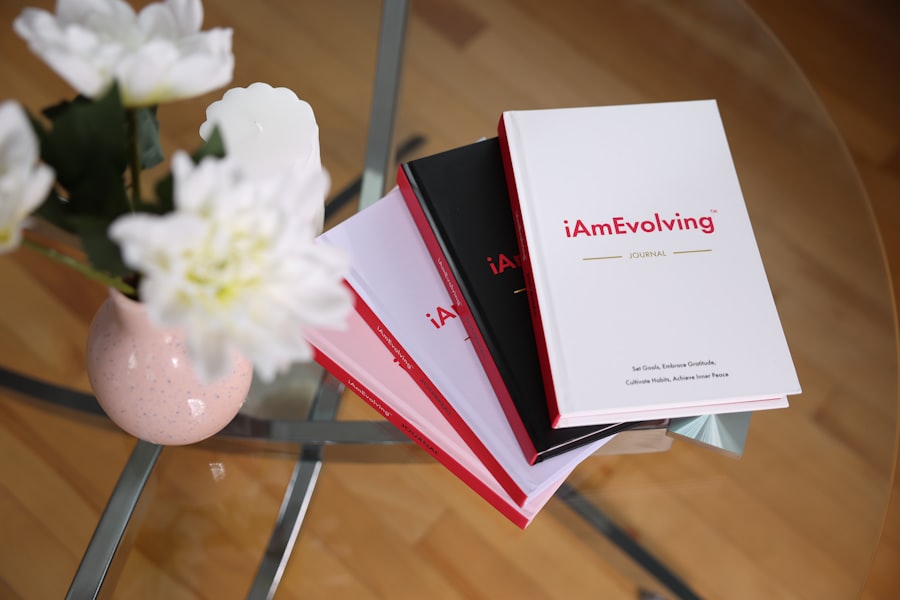
The path of personal growth isn’t always smooth. There will be challenges and moments where your motivation wanes.
Acknowledge and Address Resistance
Change can be uncomfortable, and sometimes we resist it even when we know it’s for our own good.
Understand Your Fears
Often, resistance stems from underlying fears – fear of failure, fear of success, fear of the unknown, or fear of judgment. Identifying these fears is the first step to addressing them. For example, if you’re avoiding public speaking, is it the fear of embarrassing yourself, or the fear that your ideas aren’t valuable? Once you name the fear, you can start to strategize ways to mitigate it.
Develop Resilience
Setbacks are inevitable. What matters is how you respond to them. Resilience is the ability to bounce back from adversity. This means learning from your mistakes without dwelling on them, accepting that progress isn’t always linear, and maintaining a positive outlook even when things don’t go as planned. It involves seeing challenges as opportunities for learning, rather than as definitive failures.
Build a Supportive Environment
Your surroundings and the people you interact with have a significant impact on your journey.
Surround Yourself with Positive Influences
Seek out people who uplift you, inspire you, and genuinely support your growth. This might mean spending less time with individuals who are constantly negative or who discourage your ambitions. Look for mentors or peers who are also committed to their own development.
Create an Environment Conducive to Growth
This could mean decluttering your physical space to reduce distractions, setting aside a specific time each day for learning, or even just having supportive resources readily available. If you’re trying to read more, keep a book by your bed. If you’re trying to practice a new skill, ensure you have the necessary tools or space.
Celebrate Milestones and Stay Accountable
Progress can be slow, making it hard to see the impact of your efforts.
Acknowledge Your Progress
Regularly pause to reflect on how far you’ve come. Celebrate small victories, even if they seem insignificant. Recognizing your achievements helps to reinforce positive behaviors and builds momentum. This might be journaling about your progress, sharing it with a trusted friend, or simply taking a moment to appreciate your effort.
Find an Accountability Partner
Sharing your goals with someone you trust can provide an extra layer of motivation. An accountability partner can check in with you, offer encouragement, and help keep you on track when your motivation dips. This could be a friend, a family member, or even a coach. Knowing someone is expecting an update can be a powerful motivator.
Embracing personal growth is an ongoing commitment to yourself. It’s not about achieving perfection, but about the continuous pursuit of becoming a more capable, informed, and resilient individual. The benefits are many, touching every aspect of your life, from your relationships to your overall sense of well-being. It’s a journey that requires self-awareness, deliberate action, and a willingness to learn and adapt, but the rewards are well worth the effort.