
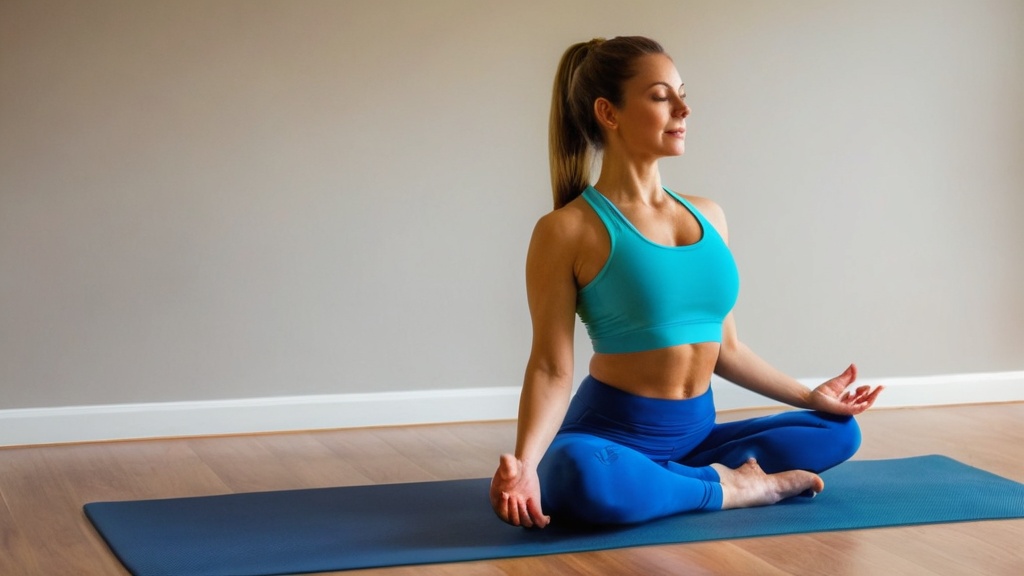
You stand on the precipice of a practice that promises to untangle the knots in your body and settle the storms in your mind. The world of yoga might seem intricate, filled with names of poses that sound like ancient spells and images of people contorted into magnificent shapes. Yet, you are capable of beginning this path. It is a journey accessible to every single person, regardless of your current flexibility or prior experience. Your physical form, your mental state, even your daily schedule – all can accommodate the gentle unfolding of yoga. This guide is your hand to hold as you take those first, deliberate steps into this practice.
Before you unroll a mat, it’s helpful to grasp what yoga truly is. You might envision it as a purely physical pursuit, a series of stretches and poses designed to increase suppleness. While physical postures, known as asanas, are a significant component, they represent only one facet of yoga. At its core, yoga is about the union of your body, your breath, and your mind. It is a holistic system that encourages self-awareness, promotes well-being, and cultivates a sense of inner peace. You are not aiming for perfection in a pose; you are aiming for presence in the moment. This practice offers a way to disconnect from the relentless demands of the outside world and to reconnect with your own internal rhythm. Think of it as creating space within yourself, both physically and mentally, to simply be.
The Breath as Your Anchor
You will quickly discover that breath is not just a passive function; it is an active participant in your yoga experience. The yogic tradition places immense importance on pranayama, the control and regulation of breath. Your breath serves as a constant anchor, grounding you in the present moment. When your mind wanders, and it will, your breath is always there, a reliable point of return. You will learn to observe your breath, to notice its natural flow without judgment. Gradually, you can begin to deepen your inhales and lengthen your exhales, a process that calms the nervous system and fosters relaxation. Consider your breath as the invisible thread that links your physical movements with your mental state. It’s the rhythm that guides you through each pose, the steady pulse that reminds you to stay present.
Beyond the Physical: Mental and Emotional Benefits
You may have heard that yoga can reduce stress, and this is a profound truth. The combination of mindful movement and focused breathing sends signals to your brain to relax, to ease the tension held in your muscles and your mind. As you practice, you train your body to release stored stress. You also develop a greater capacity to observe your thoughts without getting swept away by them. This practice cultivates a mental clarity that can extend beyond the mat, influencing how you approach challenges and interact with the world. You are building resilience, learning to respond rather than react. You may find yourself feeling more patient, more compassionate, and more at ease in your daily life. The benefits are not solely about touching your toes; they are about cultivating a more balanced and serene inner existence.
Preparing Your Space and Yourself
Setting yourself up for success in yoga is about creating an environment that supports your practice and approaching it with the right mindset. You do not need a dedicated yoga studio or the latest designer activewear to begin. Your commitment and intention are far more important than any material possessions.
Creating a Conducive Environment
Your practice space does not need to be elaborate. Find a quiet corner in your home where you will not be interrupted for the duration of your session. Ensure there is enough room for you to extend your limbs without bumping into furniture. Natural light is always pleasant, but it is not a requirement. What is important is that this space feels calm and inviting to you. You might consider dimming the lights or lighting a candle to create a peaceful atmosphere, but again, simplicity is key. The goal is to minimize distractions so you can focus your attention inward. A clear, uncluttered space can help to foster a clear, uncluttered mind.
Essential Gear for Beginners
You might be wondering about what equipment you need. The most fundamental item is a yoga mat. A good yoga mat provides cushioning for your joints and prevents your hands and feet from slipping. Many different brands offer mats, and you will find options made from various materials like rubber, TPE, or eco-friendly alternatives. For your very first sessions, a basic mat will suffice. As you progress, you might explore mats with more grip or different thicknesses.
You will also find yoga blocks to be incredibly helpful. These props act as extensions of your arms, bringing the floor closer to you and making poses more accessible. For instance, if you cannot comfortably reach the floor in a forward fold, a block placed under your hands provides the necessary support. Many beginners also find a yoga strap useful for assisting in stretches, helping you connect your hands when your flexibility does not yet allow it. Do not feel pressured to buy everything at once. Start with a mat and consider acquiring blocks as you encounter poses that feel challenging due to a lack of reach.
Choosing the Right Yoga Style and Session Length
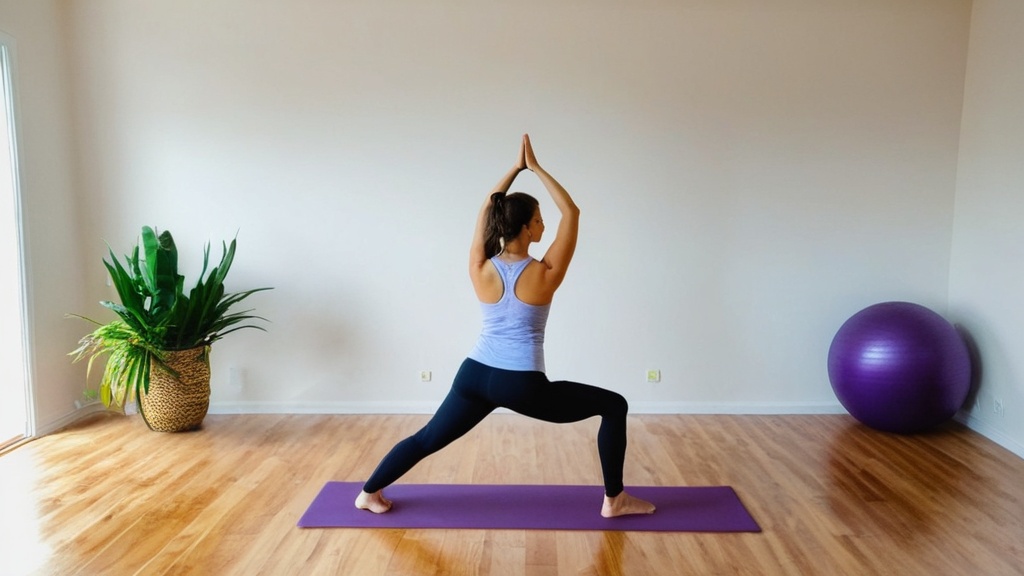
Approaching yoga with an understanding of its diverse styles and appropriate session lengths will make your initiation much more enjoyable and effective. You are not expected to immediately master complex sequences.
Beginner-Friendly Styles to Explore
Several styles are particularly well-suited for those new to yoga. Hatha yoga is often recommended for beginners because it focuses on fundamental poses held for a few breaths, allowing you to learn proper alignment and understand the sensations within your body. Gentle or restorative yoga styles emphasize relaxation and passive stretching, using props extensively to support your body in comfortable positions. These styles are excellent for releasing tension and can be very calming. Styles like Vinyasa, while invigorating, connect breath with movement in a flowing sequence, which might be a bit more challenging for absolute beginners. It is advisable to start with Hatha or a gentle class to build a solid foundation.
The Importance of Short, Consistent Sessions
You do not need to commit to long, hour-long classes to experience the benefits of yoga. For beginners, shorter sessions are often more effective. Aim for sessions of 10 to 20 minutes. These shorter durations make it easier to fit yoga into your daily routine and prevent burnout. Consistency is far more important than the length of your practice. Committing to a short session every day or most days will yield better results than sporadic, longer practices. You are building a habit, and establishing a regular rhythm, even a brief one, is key to long-term success.
Poses to Begin Your Practice
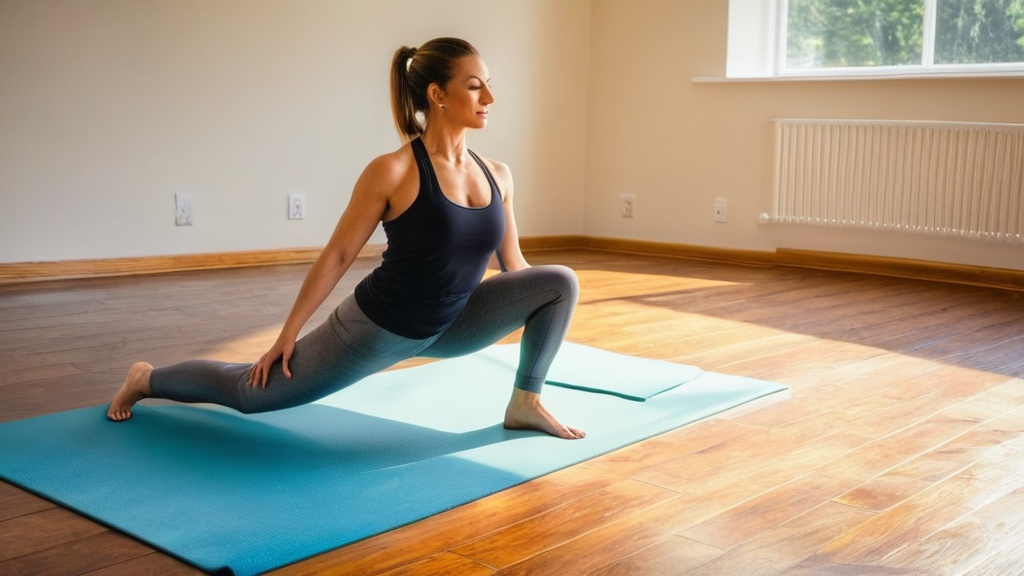
You can start with a few foundational poses that will help you build awareness of your body and develop basic strength and stability. These poses are accessible and form the building blocks for many other asanas.
Standing Poses: Finding Your Ground
- Mountain Pose (Tadasana): This is the starting point for many standing sequences. Stand with your feet together or hip-width apart, feeling the soles of your feet firmly on the ground. Lengthen your spine, drop your shoulders away from your ears, and allow your arms to rest by your sides, palms facing forward. Imagine drawing energy up through your feet and reaching towards the sky with the crown of your head. This pose cultivates grounding and erect posture.
- Forward Fold (Uttanasana) with Modifications: Begin standing in Mountain Pose. As you exhale, hinge at your hips, folding your torso forward. Allow your knees to remain bent; this is crucial for protecting your hamstrings and lower back. You can let your hands rest on your shins, your thighs, or the floor. If your hands don’t reach the floor, place yoga blocks under them. The goal is to create length in your spine and a sense of release in your hamstrings and back. Breathe deeply into any sensations you feel.
Seated and Reclining Poses for Balance and Relaxation
- Easy Pose (Sukhasana): Sit on the floor with your legs crossed comfortably. You can place a cushion or folded blanket under your hips to lift them slightly, which helps maintain an upright spine. Rest your hands on your knees, palms facing up or down. Close your eyes and focus on your breath. This pose is ideal for seated meditation and breathwork.
- Bridge Pose (Setu Bandhasana): Lie on your back with your knees bent and feet flat on the floor, hip-width apart. Your arms should be resting by your sides, palms down. As you inhale, gently lift your hips off the floor, pressing into your feet. You can keep your hands flat on the floor or clasp them underneath your body, gently rolling your shoulders under. Keep your neck relaxed and your gaze straight up. This pose gently opens the chest and strengthens the back muscles.
- Corpse Pose (Savasana): This is often the final pose in a yoga practice and is far from being just a nap. Lie flat on your back with your legs extended and arms resting by your sides, palms facing up. Allow your entire body to relax completely. Close your eyes and bring your awareness to your breath. Let go of any effort, allowing yourself to be fully supported by the earth. Stay here for several minutes, allowing your body and mind to absorb the benefits of your practice. This pose is vital for integration and deep relaxation.
Integrating Yoga into Your Daily Life
| Step | Description |
|---|---|
| 1 | Find a beginner-friendly yoga class or instructor |
| 2 | Start with basic yoga poses such as Mountain Pose, Downward-Facing Dog, and Child’s Pose |
| 3 | Focus on proper breathing techniques, such as deep belly breathing and ujjayi breath |
| 4 | Practice regularly, aiming for at least 2-3 times per week |
| 5 | Listen to your body and don’t push yourself too hard, especially in the beginning |
| 6 | Consider incorporating meditation and mindfulness practices into your routine |
You may find that once you start practicing yoga, you want to weave its benefits into the fabric of your everyday existence. This integration can happen in many ways, extending beyond your mat.
The Power of Consistent Practice
You’ve heard it before, but it bears repeating: consistency is king. Try to establish a regular time for your yoga practice. It might be first thing in the morning to set a calm tone for your day, or in the evening to unwind. Even five to ten minutes daily can make a profound difference over time. You are not looking for perfection; you are looking for presence. Your practice will evolve, and your body will adapt. Celebrate the small victories – the increased ease in a stretch, a moment of deeper breath, a clearer thought. You are building a habit that nourishes you.
Listening to Your Body
This is perhaps the most important lesson you will learn on your yoga mat, and it extends far beyond. Your body communicates with you constantly. Pay attention to its signals. If a pose causes sharp pain, ease out of it. If you feel tired, allow yourself more rest. Yoga is not about pushing yourself to extremes; it is about finding your personal edge and working with compassion. You are your own best teacher. Learn to trust your inner wisdom. This self-awareness cultivated on the mat can translate into greater discernment in all areas of your life, helping you make choices that truly serve your well-being. You are developing a profound dialogue with yourself.
FAQs
What is yoga and why should a beginner start practicing it?
Yoga is a mind and body practice that combines physical postures, breathing techniques, and meditation or relaxation. It is beneficial for beginners as it can improve flexibility, strength, and balance, as well as reduce stress and promote overall well-being.
What are some tips for beginners starting yoga?
Beginners should start by finding a qualified instructor and a beginner-friendly class. It’s important to start slowly, listen to your body, and not push yourself too hard. Additionally, investing in a good quality yoga mat and comfortable clothing can enhance the experience.
What are some basic yoga poses for beginners?
Some basic yoga poses for beginners include Mountain Pose (Tadasana), Downward-Facing Dog (Adho Mukha Svanasana), Warrior I (Virabhadrasana I), and Child’s Pose (Balasana). These poses help build strength, flexibility, and balance.
How often should a beginner practice yoga?
For beginners, it’s recommended to start with 2-3 sessions per week, gradually increasing the frequency as they become more comfortable with the practice. Consistency is key, so establishing a regular routine is important for progress.
What are the benefits of starting yoga as a beginner?
Starting yoga as a beginner can lead to numerous benefits, including improved flexibility, increased strength, better posture, reduced stress and anxiety, enhanced mental clarity, and a greater sense of overall well-being.