
Your first yoga session might spark a mix of excitement and apprehension. You are stepping into a practice celebrated for its physical and mental rewards, yet you may not know what lies ahead. Recognize that everyone begins somewhere, and your first class is purely an introduction to a new path. Focus on how you feel during the class, not on achieving perfect postures.
Preparing for Your Inaugural Class
Getting ready for your first yoga class involvs a few simple steps that set you up for a positive experience. Prepare your body and mind before you even step foot in the studio. A little forethought goes a long way in making you feel comfortable and ready to learn.
What to Wear and Bring
Select clothing that allows for complete freedom of movement. Breathable fabrics are ideal, as you will likely generate some heat during the practice. Tight or restrictive garments will only distract you from your focus. Remember that you will be stretching and bending in various ways, so choose items that provide adequate coverage without being cumbersome. You will need a yoga mat. Many studios offer mats for rent or purchase, but owning your own ensures hygiene and familiarity. Consider bringing a water bottle to stay hydrated, particularly if the studio is warm. Some people also bring a small towel for perspiration.
Arriving Early
Plan to arrive at the studio at least 10 to 15 minutes before the class begins. This buffer time is invaluable. It allows you to check in at the front desk without feeling rushed, locate the changing rooms if needed, and find a comfortable spot in the practice space. Unrolling your mat and settling in before others arrive helps calm any pre-class jitters. You can observe the room, perhaps have a brief chat with the instructor, and mentally prepare for the upcoming hour or so. Rushing in at the last minute only amplifies any nervousness you might feel.
Understanding the Class Structure
Yoga classes for beginners generally follow a predictable flow, designed to gradually introduce you to the practice. Understanding this progression helps you anticipate what is coming next and feel more at ease. Every class has a beginning, a middle, and an end, each with its own purpose.
Centering and Breathing
Every beginner yoga class starts with a period of centering. You will typically sit or lie down on your mat, close your eyes, and focus on your breath. The instructor will guide you through simple breathing exercises, instructing you to inhale deeply and exhale fully. This initial phase helps you transition from the outside world into the present moment. It calms your nervous system and readies your mind and body for the practice ahead. You learn to connect with your breath, a connection that remains central to the entire yoga practice. Pay attention to the rhythm of your breath; it becomes your anchor.
Warm-Up Sequences
Following the centering, the class moves into warm-up sequences. These movements are gentle and designed to gradually prepare your muscles and joints for deeper stretches. Expect simple neck rolls, shoulder shrugs, cat-cow stretches, and gentle twists. These movements increase blood flow and improve flexibility without putting strain on your body. The warm-up is not about pushing your limits; it is about awakening your body and creating space. Listen to your body and move with awareness.
Foundational Poses
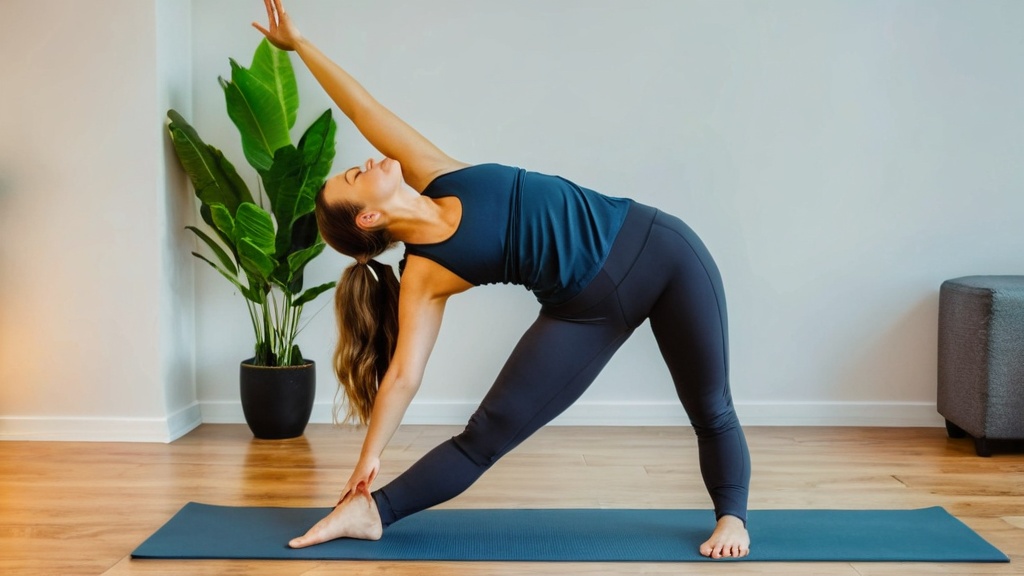
The main portion of the class introduces you to foundational yoga poses. The instructor will demonstrate each pose, providing clear instructions on alignment and execution. Expect to learn poses like Downward-Facing Dog, Warrior II, Triangle Pose, and various seated stretches. You do not need perfect execution in your first class. The emphasis is on understanding the basic shape of each pose and feeling the stretch or strength it offers. Focus on the instructor’s cues and try to replicate the pose to the best of your ability. Do not compare your progress to others in the room. Your experience is unique.
Cool-Down and Rest
The practice concludes with a cool-down period. This usually involves gentler stretches, often performed on the floor, allowing your body to unwind. The very end of the class is dedicated to Savasana, or Corpse Pose. You lie flat on your back, eyes closed, allowing your body to absorb the benefits of the practice. Savasana is just as important as any active pose. You allow your body and mind to completely relax, integrating the experience. Do not skip this part; it is your time for deep rest and rejuvenation.
Your Body and Flexibility
A common misconception is that you need to be flexible to practice yoga. That is far from the truth. In fact, yoga is a tool to cultivate flexibility, among other things. Your current level of flexibility is irrelevant when you begin.
Flexibility is Developed, Not Required
Understand that everyone starts somewhere. Your first yoga class is designed for individuals with varying degrees of flexibility. The purpose of yoga is to meet your body where it is and gradually expand its capabilities. You will notice that many poses feel challenging because of your current flexibility. Do not be discouraged by this. With consistent practice, you will find your range of motion increasing. Focus on proper alignment and listening to your body’s signals, rather than forcing yourself into deep stretches immediately. Regular practice is the key to unlocking greater flexibility over time.
Modifications and Props
Instructors in beginner classes will invariably offer modifications for poses. If a pose feels too intense or if you cannot quite reach a certain position, the instructor will suggest an easier variation. For example, instead of touching your toes, you might bend your knees. Props such as yoga blocks, straps, and blankets are your friends. Blocks can bring the floor closer to you in standing forward folds, a strap can help you reach your feet in seated forward bends, and a blanket can provide cushioning for your knees. Do not hesitate to use props. They support your body and help you find proper alignment, making poses more accessible and comfortable. Using props is a sign of intelligence and self-awareness, not a sign of weakness.
Interaction and Adjustments
Expect some interaction with your instructor during the class. They are there to guide and support you, ensuring you practice safely and effectively. Their feedback is invaluable for your learning process.
Instructor Guidance
The instructor will provide verbal cues throughout the class, guiding you into and out of poses. Listen carefully to their instructions regarding alignment and breath. You will hear them explain where you should feel the stretch or activation of muscles. Do not be afraid to look up if you need to see a demonstration. Many instructors also walk around the room, offering individual feedback or encouragement. Their role is to facilitate your learning and provide a safe environment for practice.
Form Corrections
In a beginner class, it is common for instructors to offer form corrections. They may gently adjust your alignment to help you experience the pose more fully and safely. Such adjustments are always with your well-being in mind. If you prefer not to receive physical adjustments, you can communicate this to the instructor before class begins. A simple, polite statement like, “I prefer verbal cues over physical adjustments,” is perfectly acceptable. Most studios have procedures for indicating such preferences. Remember, the instructor wants you to have a positive and safe experience.
Breathing: Your Constant Companion
Breathing is not just something you do instinctively during yoga; it is an integral part of the practice. You will be guided to breathe with intention and awareness.
Conscious Breathing
From the moment you begin centering, throughout the warm-up, the active poses, and into the cool-down, your breath is paramount. The instructor will guide you to coordinate your movements with your breath. You might inhale as you lengthen your spine and exhale as you fold forward. This conscious connection between breath and movement is called Vinyasa. It helps to calm your mind, deepen your stretches, and build internal heat. Focus on smooth, steady inhalations and exhalations. Your breath becomes a rhythm that carries you through the practice. When poses feel challenging, returning your attention to your breath can help you find ease.
Using Breath for Focus
Your breath serves as a powerful tool for focus. When your mind wanders or you find yourself distracted by thoughts, simply bring your attention back to the sensation of your breath entering and leaving your body. This act of conscious breathing helps to anchor you in the present moment, allowing you to experience the practice more fully. It connects your mind to your body, creating a meditative quality to your movement. Cultivating breath awareness in yoga also extends beyond the mat, helping you manage stress and maintain calm in daily life.
Allowing for Rest
Yoga is not about pushing yourself to your limits constantly. Resting is a valid and encouraged part of the practice, especially for beginners.
Child’s Pose and Other Resting Positions
If you feel overwhelmed, tired, or a pose feels too challenging, you are always welcome to take a rest. Child’s Pose (Balasana) is a common resting position where you kneel, fold forward, and rest your forehead on the mat. You might also lie on your back or sit in a comfortable cross-legged position. Do not feel that taking a rest is a sign of failure. It is a sign of self-awareness and respect for your body’s needs. The instructor will often remind you that resting is an option. Use these moments to reconnect with your breath and prepare for the next series of movements.
Listening to Your Body
Your body communicates with you; your job is to listen. Pay attention to any sensations of pain. Discomfort is part of stretching, but sharp or shooting pain indicates that you have gone too far. Back off from the pose if you feel pain. Yoga is about self-discovery and honoring your limitations on any given day. Some days you will feel more energetic and flexible, other days less so. Accept your body’s state without judgment. Your first class is about exploration.
Your first yoga class is an introduction to a practice rich in physical and mental advantages. Approach it with an open mind and a willing spirit. You’re not there to perform, but to learn, explore, and connect with your body. Understand that everyone has a starting point, and yours is just as valid as anyone else’s. Focus on your breath, listen to the instructor, and most importantly, listen to your own body. You are beginning a fulfilling practice that may support your well-being for many years to come.
FAQs
What should I wear to my first yoga session?
It is recommended to wear comfortable, breathable clothing that allows for a full range of motion. Many people choose to wear leggings or shorts with a t-shirt or tank top. Avoid wearing anything too loose or baggy that may get in the way during certain poses.
Do I need to bring my own yoga mat?
Some yoga studios provide mats for their students, but it’s always a good idea to bring your own if you have one. If you don’t have a mat, you can usually rent one from the studio for a small fee. Using your own mat can also help you feel more comfortable and grounded during your practice.
What can I expect during a typical beginner’s yoga session?
A beginner’s yoga session will typically include a combination of gentle stretching, basic yoga poses, breathing exercises, and relaxation techniques. The instructor will guide you through each pose and provide modifications as needed. The pace is generally slower and more focused on proper alignment and technique.
Is yoga suitable for all fitness levels?
Yes, yoga is suitable for people of all fitness levels. Beginners are encouraged to start with gentle or beginner-level classes to learn the basics and gradually build strength and flexibility. Many yoga poses can be modified to accommodate different abilities and limitations.
What are the benefits of practicing yoga for beginners?
Practicing yoga can help improve flexibility, strength, balance, and posture. It can also reduce stress, promote relaxation, and increase mindfulness. Additionally, yoga can be a great way to connect with others in a supportive and non-competitive environment.