
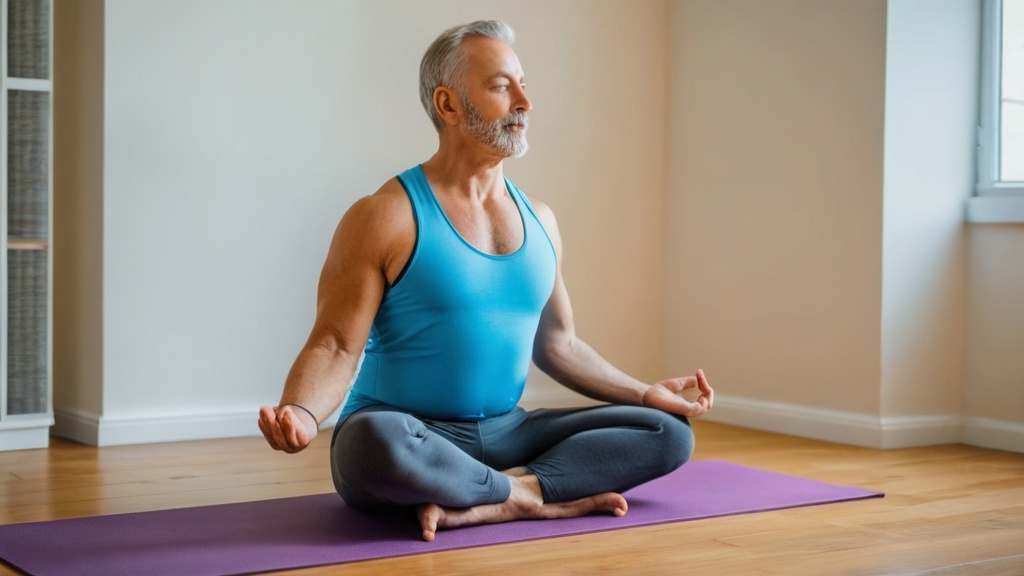
You’re looking for ways to support your prostate health, and you’ve heard that yoga might be a powerful ally. It’s a natural question to ask: with so many styles of yoga out there, which one is truly the best for your specific needs? The answer might surprise you, or it might offer a refreshing perspective on how you approach your well-being. This article is designed to guide you, focusing on the latest information and research to help you make an informed choice.
You’re likely here because you’re proactive about your health, or perhaps you’re experiencing some concerns related to your prostate. Whatever your starting point, know that you’re not alone. Many men are discovering the profound benefits of yoga for prostate health, and understanding the nuances of different styles can amplify those benefits. So, let’s dive in and explore what the world of yoga has to offer you.
Understanding the Connection: Yoga and Prostate Well-being
Your prostate gland, a small walnut-sized organ located just below your bladder, plays a crucial role in your reproductive system. While it functions silently for much of your life, as you age, it can become a source of concern. Conditions like benign prostatic hyperplasia (BPH), which involves the enlargement of the prostate, and prostatitis, an inflammation of the gland, are common. These conditions can lead to a range of uncomfortable symptoms, including frequent urination, difficulty starting or stopping the flow, and a feeling of incomplete bladder emptying.
This is where yoga enters the picture. You might initially think of yoga as simply stretching or relaxation, but its benefits run much deeper. Through a combination of physical postures, breathwork, and mindful awareness, yoga can positively impact the pelvic region, where your prostate resides. It can help to:
- Reduce Pelvic Tension: Many men hold tension in their pelvic floor muscles. This tension can contribute to urinary issues and discomfort. Yoga’s gentle stretches and mindful movements can help release this chronic tension, promoting a sense of ease and openness in the area.
- Improve Blood Circulation: Proper blood flow is vital for the health of all your organs, including the prostate. Certain yoga poses encourage healthy circulation to the pelvic region, which can aid in reducing inflammation and promoting overall tissue health.
- Strengthen Pelvic Floor Muscles: While Kegel exercises are often recommended for men, yoga can provide a more holistic approach to strengthening and toning the pelvic floor. This can be particularly beneficial for managing urinary control and support.
- Reduce Stress and Improve Quality of Life: Stress can exacerbate many health conditions, and prostate issues are no exception. Yoga is renowned for its stress-reducing capabilities. By calming your nervous system and promoting relaxation, yoga can significantly improve your overall sense of well-being, which in turn can positively influence your physical health.
- Enhance Mind-Body Connection: Yoga encourages you to become more aware of your body and its signals. This heightened awareness can help you better understand and manage any symptoms you might be experiencing, empowering you to take a more active role in your health journey.
It’s important to understand that yoga isn’t a cure-all, nor should it replace medical advice and treatment. However, when integrated into your lifestyle, it can be a powerful complementary therapy that significantly enhances your quality of life and supports your prostate health.
Eischens Yoga: The Leading Contender for Prostate Health
When the question arises about which yoga style is best for prostate health, one particular style consistently emerges from research and expert recommendations: Eischens Yoga. You might not have heard of it before, especially if you’re new to the yoga world. However, understanding its principles and approach reveals why it’s so highly regarded in this specific context.
The Roots and Philosophy of Eischens Yoga
Eischens Yoga has deep roots in the Iyengar tradition, a style known for its precise alignment and therapeutic applications. However, Eischens Yoga distinguishes itself by focusing on energy and accessibility rather than complexity. This means it deliberately avoids overly intricate poses or sequences that might be intimidating or physically challenging for some individuals. Instead, the emphasis is on the energetic effects of the postures and creating a practice that is welcoming and beneficial to everyone, regardless of their physical condition or prior yoga experience.
What Makes Eischens Yoga So Suitable for You?
The core tenets of Eischens Yoga make it an exceptional choice for men focusing on prostate health. Here’s why:
- Focus on Energy and Accessibility: This is perhaps the most crucial aspect. Eischens Yoga is designed to be adaptable. You won’t be expected to perform pretzel-like poses. Instead, the focus is on foundational postures that can be modified to suit your individual needs and limitations. This accessibility is vital if you’re experiencing discomfort or have concerns about putting undue pressure on your pelvic region.
- Emphasis on Proper Alignment: Drawing from its Iyengar lineage, Eischens Yoga places a strong emphasis on correct alignment in every pose. This meticulous attention to detail is key for ensuring that the poses are therapeutic and not injurious. For prostate health, proper alignment in poses that affect the pelvic area is paramount for maximizing benefit and preventing strain.
- Hands-On Feedback: A hallmark of Eischens Yoga is the availability of hands-on adjustments and feedback from a qualified instructor. This is incredibly valuable, especially when you’re new to the practice or working with specific health concerns. An experienced teacher can guide you into the correct alignment, help you understand the subtle nuances of a pose as it relates to your body, and ensure you are experiencing the intended therapeutic effects. They can provide personalized guidance that is crucial for optimizing the benefits for your prostate.
- Designed for All Body Types and Experience Levels: You don’t need to be a seasoned athlete or have a flexible body to benefit from Eischens Yoga. It’s intentionally crafted to be inclusive. Whether you’re a complete beginner or have some yoga experience, you’ll find the practice engaging and beneficial. This inclusivity removes a potential barrier to entry that some men might feel when considering yoga.
- Session Structure: Typical Eischens Yoga sessions are designed to be comprehensive yet manageable, often lasting around 75 minutes. This duration allows for a thorough exploration of poses, breathwork, and relaxation without feeling rushed.
The Therapeutic Focus on the Pelvic Region
Eischens Yoga specifically targets the pelvic area in a way that is both gentle and effective. The movements and poses are chosen to:
- Relieve Congestion: By encouraging healthy blood flow and releasing muscular tension, Eischens Yoga aims to alleviate congestion in the pelvic region, which can be a contributing factor to prostate discomfort.
- Promote Relaxation: The practice incorporates elements of deep relaxation, which is crucial for reducing stress and its negative impact on your overall health, including prostate health.
- Energize the Body: Beyond physical benefits, Eischens Yoga also focuses on the flow of energy within the body. By unblocking energy pathways in the pelvic area, it aims to restore balance and vitality.
When seeking a yoga style specifically for prostate health, Eischens Yoga stands out as a well-researched, accessible, and therapeutically focused option. Its emphasis on precise alignment, energy work, and personalized feedback makes it an excellent choice for you to explore as you prioritize your well-being.
Recommended Poses for Prostate Health
While Eischens Yoga provides the framework, understanding specific poses that are particularly beneficial for prostate health can help you get the most out of your practice. These poses, often incorporated within an Eischens Yoga sequence, work synergistically to alleviate tension, improve circulation, and strengthen the relevant muscle groups.
Poses to Focus On
- Head-to-Knee Pose (Janusirsasana): This seated forward bend is a staple for a reason. You’ll typically sit with one leg extended and the other bent, bringing your forehead towards your knee.
- Benefits for You: Janusirsasana is excellent for reducing tension in the pelvic floor and lower back. It also gently stretches the hamstrings and groin, which can indirectly relieve pressure on the prostate. The gentle inversion (head slightly lower than the heart) can also aid in promoting blood flow back towards the core. Furthermore, the focus on breath within the pose can help calm the nervous system, reducing stress that can impact prostate health. The lengthening of the spine and the mild compression in the abdomen can also stimulate digestive and excretory functions, which are subtly connected to pelvic health.
- How to Approach It: Ensure your back is long and you’re hinging from the hips, not rounding your spine. A slight bend in the knee of the extended leg is perfectly acceptable. The goal is a gentle, sustained stretch.
- Hero Pose (Virasana): This pose involves sitting back on your heels with your knees bent and your shins on the floor. It can be challenging for those with knee or ankle sensitivity, but modifications are readily available.
- Benefits for You: Hero Pose is highly effective in relieving tension in the pelvic area and can alleviate a feeling of bladder heaviness. By opening the hips and thighs, it encourages better circulation to the pelvic organs. It’s a grounding pose that can promote a sense of internal calm and stability. The stretch across the quadriceps and the gentle compression in the groin area are also beneficial.
- How to Approach It: You can place a block or bolster between your buttocks and heels for support. If your knees are sensitive, place a rolled blanket or towel under your calves. The key is to find a position where you can hold the pose comfortably without pain. Focus on relaxing your shoulders and breathing deeply.
- Cobbler Pose (Baddha Konasana): This is a restorative pose where you bring the soles of your feet together and allow your knees to fall open to the sides.
- Benefits for You: Cobbler Pose is a fantastic hip opener and groin stretcher. By gently opening the hips and groin, it can help to release stored tension in the pelvic floor muscles. This can be particularly helpful for men experiencing discomfort or urinary symptoms. The pose also encourages a natural pelvic tilt, which can be beneficial for prostate health. The sustained opening can also improve blood flow to the lower abdomen and pelvic region.
- How to Approach It: Sit with your back tall. Bring the soles of your feet together and let your knees drop out to the sides. You can hold onto your feet or ankles. If your hips are tight, you can place blocks or folded blankets under your knees for support. Allow gravity to do the work and focus on a relaxed, open breath.
- Knee-to-Chest Pose (Apanasana): This gentle supine pose involves hugging one or both knees towards your chest.
- Benefits for You: This is a classic pose for relieving lower back and pelvic tension. By gently drawing the knees towards the torso, you create a mild compression and release in the lower abdomen and pelvic region. This can help to soothe tight muscles and promote a sense of relaxation. It’s also an excellent pose for aiding digestion and can help relieve gas and bloating, which can sometimes contribute to pelvic discomfort.
- How to Approach It: Lie on your back and exhale as you gently draw one knee towards your chest, holding it with your hands. Keep your head and shoulders relaxed on the floor. You can hold this for a few breaths and then switch legs, or hug both knees to your chest for a deeper release.
- Frog Pose (Bhekasana): This is a more advanced pose that resembles a frog, with knees and shins splayed wide and the torso lowered.
- Benefits for You: Frog Pose is renowned for its ability to deeply open the hips and groin, and importantly, to strengthen the pelvic support muscles. These muscles play a crucial role in bladder control and pelvic health. By engaging and strengthening these muscles through this intense opening, you can improve their tone and function, which is highly beneficial for managing urinary symptoms and overall pelvic support.
- How to Approach It: This pose requires significant hip flexibility and should be approached with caution. Start on your hands and knees, then gradually widen your knees as far as is comfortable, keeping your ankles in line with your knees. Lower your forearms to the floor. It’s essential to maintain a neutral spine and avoid any discomfort in your knees. Modifications, such as placing a bolster under your torso, are often necessary. This is a pose where expert guidance from an Eischens Yoga instructor would be invaluable.
Integrating Kegel Exercises
While not a yoga pose in itself, incorporating Kegel exercises into your yoga practice significantly amplifies the benefits for prostate health. Kegels involve consciously contracting and relaxing the pelvic floor muscles.
- Benefits for You: When performed in conjunction with yoga poses, Kegels provide targeted strengthening for the muscles that support your bladder and prostate. This can lead to improved urinary control, reduced frequency of urination, and enhanced sexual function. They can help prevent urinary leakage and improve the sensation and function of your pelvic floor.
- How to Approach It: You can practice Kegels during any yoga pose by gently contracting your pelvic floor muscles, holding for a few seconds, and then releasing. For instance, you can engage your Kegels in Cobbler Pose, Hero Pose, or even while holding a gentle forward fold. A qualified instructor can guide you on how to correctly identify and engage these muscles.
Remember, consistency is key. Practicing these poses regularly, perhaps 3-5 times a week, will yield the most significant benefits for your prostate health. Always listen to your body and modify poses as needed, prioritizing comfort and avoiding pain.
The Proven Benefits: More Than Just a Feeling
It’s one thing to talk about how yoga might help, but it’s quite another to have evidence-based proof. Fortunately, the benefits of yoga for prostate health are not just anecdotal; they are increasingly supported by clinical trials and a growing body of research. This evidence provides reassurance that your commitment to a yoga practice can lead to tangible, positive changes in your life.
What the Research Shows
Numerous studies have investigated the impact of yoga on men with prostate concerns, and the results are consistently encouraging. You can expect to see improvements in several key areas:
- Significant Improvement in Quality of Life Indicators: This is a broad yet incredibly important outcome. Beyond specific symptom reduction, research indicates that men who practice yoga report a generally higher quality of life. This means they feel better overall, have more energy, and experience fewer limitations in their daily activities due to their prostate condition. It speaks to a holistic improvement in well-being.
- Reduction in Fatigue: Many men dealing with prostate issues experience debilitating fatigue. Studies have shown that regular yoga practice can significantly reduce these feelings of tiredness, allowing you to feel more revitalized and engaged in your life.
- Alleviation of Sexual Dysfunction: Sexual health is a sensitive but vital aspect of men’s well-being, and prostate issues can significantly impact it. Research suggests that yoga can help mitigate sexual dysfunction, which is a common side effect of prostate conditions and their treatments. This can be due to improved blood flow, reduced stress, and increased body awareness.
- Mitigation of Urinary Symptoms: This is often the primary concern for men with prostate issues. Yoga has been shown to be effective in reducing the frequency, urgency, and difficulty associated with urination. By relaxing the pelvic floor, improving bladder control through Kegel integration, and reducing inflammation, yoga can bring much-needed relief. Symptoms like nocturia (waking up frequently at night to urinate) can also be improved.
- Reduction of Pelvic Tension and Improvement in Blood Circulation: As discussed previously, these are foundational benefits. Studies confirm that yoga can effectively release chronic tension held in the pelvic floor and surrounding muscles. This, in turn, facilitates improved blood flow to the prostate and other pelvic organs, promoting healthier tissue function and reducing inflammation.
- Management of BPH and Prostatitis: Clinical trials have specifically demonstrated the positive impact of yoga on men managing benign prostatic hyperplasia (BPH) and prostatitis. The combined effects of stress reduction, improved circulation, and the release of muscular tension create an environment within the body that is more conducive to managing these conditions. Yoga can help reduce the severity of symptoms associated with both BPH and prostatitis, offering a natural and complementary approach.
The scientific backing for yoga’s benefits in prostate health is growing, making it a compelling and evidence-based addition to your wellness routine. These proven benefits underscore why prioritizing a regular yoga practice is a wise investment in your long-term health and well-being.
Beyond the Mat: Synergy with Lifestyle Changes
You’ve explored the specific yoga styles and poses that can support your prostate health and seen the evidence of their benefits. Now, it’s crucial to understand that yoga, while powerful, is most effective when integrated into a broader, healthy lifestyle. The greatest results are often achieved not by looking at yoga in isolation, but by recognizing it as a key component of a comprehensive approach to your well-being.
The Holistic Approach
Your body is a complex, interconnected system. What you do off the yoga mat can significantly influence how you feel on the mat, and vice versa. For optimal prostate health, combining your yoga practice with other positive lifestyle choices creates a synergistic effect that amplifies the benefits.
- Dietary Considerations: What you consume has a direct impact on inflammation, circulation, and overall health.
- Limit Caffeine and Alcohol: Both caffeine and alcohol can irritate the bladder and prostate, potentially exacerbating urinary symptoms. Reducing your intake, or eliminating them altogether, can make a noticeable difference. Consider switching to herbal teas or water.
- Embrace a Whole Foods Diet: A diet rich in fruits, vegetables, lean proteins, and whole grains provides essential nutrients and antioxidants that support overall health and can help reduce inflammation. Foods rich in lycopene, like tomatoes, and those high in omega-3 fatty acids are often recommended.
- Physical Activity: While yoga is a form of exercise, it complements other forms of physical activity.
- Regular Aerobic Exercise: Activities like brisk walking, swimming, or cycling improve cardiovascular health and circulation, which is beneficial for prostate health. Aim for at least 150 minutes of moderate-intensity aerobic activity per week.
- Mindful Movement: Beyond structured exercise, simply staying active throughout the day, avoiding prolonged sitting, can also contribute to pelvic health and circulation.
- Bladder Retraining: This behavioral therapy is often recommended for managing overactive bladder and urgency, common symptoms of prostate enlargement.
- Scheduled Voiding: This involves urinating on a strict schedule, gradually increasing the time between bathroom visits. It helps retrain your bladder to hold more urine and reduces the sensation of urgency. Your doctor or a pelvic floor physiotherapist can guide you on implementing a bladder retraining program.
- Stress Management: Stress can negatively impact virtually every aspect of your health, including prostate function.
- Mindfulness and Meditation: These practices, often integrated into yoga, are excellent for calming the nervous system.
- Adequate Sleep: Prioritizing 7-9 hours of quality sleep per night is crucial for bodily repair and hormonal balance.
- Hydration: While it might seem counterintuitive to increase fluid intake when experiencing urinary frequency, staying well-hydrated is important. However, it’s wise to manage your fluid intake, especially in the hours before bed, and to be mindful of bladder irritants like sugary drinks.
The synergy created by combining these lifestyle elements with your yoga practice is where true transformation happens. You’re not just treating symptoms; you’re building a foundation for lasting well-being and proactively supporting your prostate for years to come. When you make conscious choices across the spectrum of your daily life, you empower yourself to take control of your health journey.
Making It Your Own: Personalized Practice and Professional Guidance
You now have a comprehensive understanding of yoga for prostate health: the recommended styles, the beneficial poses, the proven advantages, and the importance of integrating these practices with other healthy lifestyle choices. The final and perhaps most crucial step is to make this journey personal and to embrace the value of expert guidance.
The Importance of Personalization
Your body is unique, and so are your experiences and needs. What works wonders for one person might require adjustments for another. Approaching yoga for prostate health requires listening to your body and tailoring your practice accordingly.
- Listen to Your Body: This is the golden rule of yoga. Pay attention to any sensations––positive or negative––that arise during your practice. If a pose causes pain, back off. If it brings a sense of relief or opening, explore it further. Your body will communicate what it needs.
- Modify and Adapt: Don’t be afraid to use props like blocks, bolsters, and blankets to support your body and make poses more accessible or comfortable. In Eischens Yoga, modifications are not seen as a sign of weakness but as intelligent ways to work with your body to achieve the intended benefits.
- Pace Yourself: If you’re new to yoga or returning after a break, start slowly. Focus on building a consistent practice rather than pushing yourself too hard too soon. Gradual progression will prevent injury and ensure that your yoga journey is sustainable and enjoyable.
- Focus on Breath: Your breath is your anchor in yoga. Deep, conscious breathing can enhance relaxation, reduce stress, and deepen the effectiveness of your poses. It also plays a role in promoting healthy circulation.
The Invaluable Role of Professional Guidance
While self-study and online resources can be helpful, seeking guidance from a qualified yoga instructor, especially one experienced in therapeutic yoga or specializing in men’s health, can be transformative.
- Finding the Right Instructor: Look for instructors who have experience with Eischens Yoga or similar therapeutic approaches. Ask about their background and whether they have experience working with individuals with prostate concerns. Recommendations from your healthcare provider can also be a valuable starting point.
- Personalized Instruction: A good instructor can assess your individual needs, identify any physical limitations or contraindications, and provide personalized modifications and adjustments. They can help you understand precisely how to perform poses to maximize their benefits for your prostate health.
- Correcting Alignment: As mentioned earlier, proper alignment is key. An instructor can observe your form and offer hands-on adjustments that ensure you are in the optimal position for therapeutic effect, preventing potential strain and maximizing the release of tension.
- Building Confidence: For many men, stepping into a yoga class might feel daunting. An experienced and compassionate instructor can create a safe and welcoming environment, helping you build confidence in your practice and feel more comfortable exploring your body and its capabilities.
- Addressing Specific Conditions: If you have been diagnosed with BPH, prostatitis, or are undergoing treatment for prostate cancer, it’s essential to discuss your yoga practice with your doctor. A qualified instructor can then work with you and your healthcare team to ensure your yoga practice is safe and supportive.
Your journey with yoga for prostate health is a personal one, and it’s an empowering step towards greater well-being. By making it your own, listening to your body, and seeking knowledgeable guidance, you can unlock the profound and lasting benefits that this ancient practice has to offer. Embrace this exploration with curiosity and trust in your body’s innate capacity to heal and thrive.
FAQs
What are the benefits of yoga for prostate health?
Yoga can help improve prostate health by reducing stress, improving blood circulation, and promoting relaxation. Certain yoga poses can also help strengthen the pelvic floor muscles, which can be beneficial for prostate health.
Which specific yoga poses are recommended for prostate health?
Some recommended yoga poses for prostate health include the butterfly pose, the bridge pose, the reclining bound angle pose, and the pelvic floor exercises. These poses can help improve blood flow to the prostate and strengthen the pelvic floor muscles.
Can yoga help with prostate-related issues such as prostatitis or benign prostatic hyperplasia (BPH)?
While yoga alone may not cure prostate-related issues such as prostatitis or BPH, it can help manage symptoms and improve overall prostate health. Yoga can be used as a complementary therapy alongside medical treatment for these conditions.
Are there any specific yoga styles that are best for prostate health?
Gentle and restorative yoga styles such as Hatha yoga, Yin yoga, and restorative yoga are often recommended for prostate health. These styles focus on relaxation, deep breathing, and gentle stretching, which can be beneficial for prostate health.
Is it important to consult a healthcare professional before starting yoga for prostate health?
Yes, it is important to consult a healthcare professional before starting any new exercise or yoga routine, especially if you have prostate-related issues or concerns. A healthcare professional can provide personalized advice and ensure that yoga is safe and appropriate for your individual health needs.