
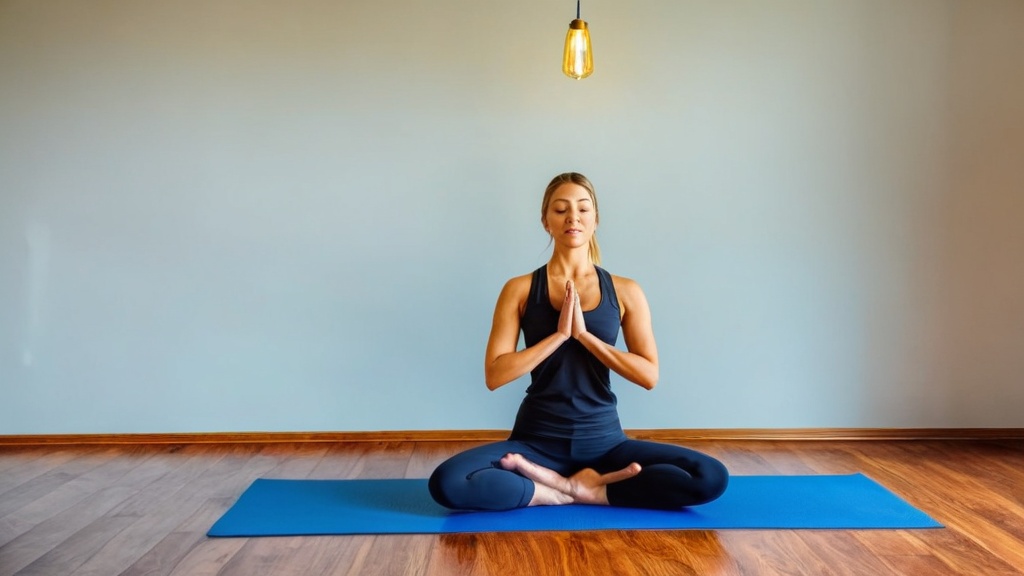
You’re wondering about the absolute best moment to begin your yoga exploration. It’s a question many beginners grapple with, seeking that perfect window to begin their practice. You want to set yourself up for success, to make this new habit stick, and to reap the greatest benefits. Let’s explore the timing of your yoga sessions, keeping in mind what works best for someone just starting out.
For many, the quiet solitude of the morning offers a compelling reason to roll out your yoga mat. You might find that the world feels a little less demanding as the sun begins its ascent. This early hour often presents fewer distractions, allowing you to focus solely on your breath and movement.
The Allure of an Empty Stomach
A prevalent recommendation for beginners centers on practicing yoga on an empty stomach. You might be curious about the reasoning behind this. When your digestive system isn’t actively working to process a large meal, your body is generally in a more relaxed and receptive state for physical activity. This can lead to greater ease in performing poses and a more comfortable overall experience.
Setting the Tone for Your Day
Consider how your morning yoga practice can influence the rest of your day. By dedicating time to yourself, centering your mind, and moving your body before the demands of work or other commitments begin, you can cultivate a sense of calm and focus. This conscious start can ripple outward, influencing your interactions and your mindset throughout the coming hours. You might find yourself feeling more grounded and present, even amidst the usual hustle and bustle.
Building a Foundation of Consistency
One of the greatest challenges for beginners is establishing a consistent practice. Mornings, before the day’s obligations pile up, can offer a less cluttered schedule. You might discover that it’s easier to commit to a regular morning routine once it becomes a part of your daily rhythm. A short, consistent practice is often more beneficial than sporadic, longer sessions. You are building a habit, and repetition is key to its solidification.
Early Morning: A Quieter Canvas
You might find that the world awakens more slowly than you do. This comparative quiet can be a powerful asset for a beginner. Without the constant hum of traffic, the ping of notifications, or the general busyness of the day, you can create a sanctuary for your yoga practice. This tranquility can deepen your connection to your breath and your body, allowing you to truly listen to what your physical form is communicating.
The Advantage of Less Distraction
When you’re new to yoga, there’s already a lot to absorb: the postures, the breathwork, the mindful awareness. Adding external distractions can make this learning process feel overwhelming. An early morning session minimizes these interruptions. You can focus your attention on the subtle sensations within your body and the flow of your breath without the constant pull of external stimuli. This focused attention is a cornerstone of deepening your yoga practice.
Cultivating a Sense of Peace
Imagine starting your day with a feeling of inner peace. While yoga is a physical practice, its benefits extend far beyond the mat. The quiet introspection that an early morning session affords can foster a sense of calm that can carry you through your day. You are setting an intention for your well-being, and this proactive approach can lead to a more positive outlook and a greater sense of control.
The Afternoon Pause: Realigning Your Day
Perhaps your mornings are a whirlwind. You might struggle to find a quiet moment before the day fully engulfs you. In such cases, the afternoon offers a welcome opportunity to reset and reconnect with yourself.
A Midday Refuel for Your Body and Mind
Think of your afternoon yoga practice as a revitalizing pause. You’ve likely been engaged in various activities, perhaps sitting at a desk or moving through various tasks. Your body might be feeling a little stiff, and your mind might be racing with thoughts. A yoga session can provide a much-needed break, a chance to stretch, breathe, and re-center.
Releasing Accumulated Tension
As the day progresses, you might notice tension accumulating in your shoulders, neck, or back. An afternoon yoga practice can be a powerful tool for releasing this pent-up stress. Gentle stretches and mindful movements can help to alleviate physical discomfort and promote a sense of ease. You are actively working to undo the physical and mental holding patterns that can develop throughout the day.
Boosting Energy Levels
Contrary to what you might assume, moving your body in the afternoon can actually boost your energy levels. Instead of feeling a slump after lunch, a yoga session can invigorate your system. It improves circulation and oxygen flow, helping you feel more alert and less fatigued. You are giving your body the movement it needs to feel refreshed and ready to tackle the remainder of your day.
The Benefits of a Gentle Session
When practicing in the afternoon, you might find that a gentler approach is particularly beneficial. You’re not looking to exert yourself to the point of exhaustion, but rather to find a balance between movement and relaxation. Focus on poses that open the chest, lengthen the spine, and promote a sense of ease. This approach will leave you feeling refreshed, not drained.
Preparing for the Evening Ahead
Your afternoon yoga practice can serve as a bridge between the demands of your workday and the relaxation of your evening. By taking this time to move and breathe, you can transition more smoothly into your personal time, leaving behind the stresses of the day. This conscious transition can improve your overall sense of well-being and your ability to enjoy your evenings.
The Evening Serenity: Winding Down with Yoga

For some, the idea of morning yoga feels unattainable, or you might find that your body craves movement and release as the day draws to a close. An evening yoga practice can be a wonderful way to prepare your body and mind for restful sleep.
Calming the Mind Before Rest
You might find that your mind is still buzzing with thoughts of the day when you lie down to sleep. An evening yoga practice can act as a mental palate cleanser. By focusing on your breath and engaging in slow, deliberate movements, you can quiet the mental chatter and create a sense of serenity that is conducive to sleep.
Promoting Relaxation and Deeper Sleep
Certain yoga poses and breathing techniques are particularly effective at activating your body’s relaxation response. You might find that a gentle evening practice helps to lower your heart rate, calm your nervous system, and signal to your body that it’s time to wind down. This can lead to a deeper, more restorative sleep.
The Importance of a Gentle Approach
When practicing yoga in the evening, gentleness is key. You are not looking for an intense workout that will energize you. Instead, focus on restorative poses, gentle stretches, and mindful breathing. Think of poses that release tension in the hips, back, and shoulders. This will allow your body to relax and prepare for rest.
Avoiding Vigorous Poses
It’s generally advised to avoid overly stimulating or vigorous yoga practices close to bedtime. Poses that require significant exertion or inversions can sometimes energize rather than relax you. Your goal is to create a sense of ease and peace, not to build heat or intensity.
The “When” vs. The “Can”: Prioritizing Consistency
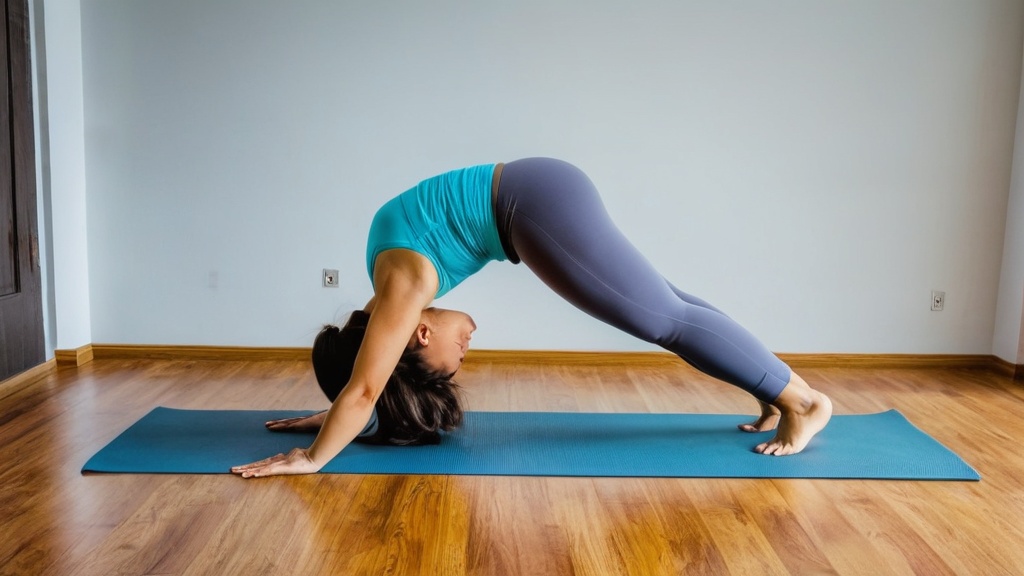
While we’ve explored various times of day that might offer specific benefits, there’s a more fundamental truth for beginners: the best time is the time you can commit to. You might read about ideal morning practices and feel a pang of disappointment if mornings simply don’t work for your schedule or your personal energy levels.
The Flexibility of Modern Yoga
Yoga has evolved, and modern guidance is more flexible than rigid historical interpretations. The core principles of yoga—mindfulness, breath awareness, and connecting movement with intention—can be cultivated at any time of day. Don’t feel pressured to conform to a specific time if it sets you up for failure.
Finding Your Personal Rhythm
Pay attention to your own body and energy levels. When do you naturally feel more inclined to move? When do you have the quietest, most uninterrupted time? Listen to these cues. Your personal rhythm is a valid and important factor in establishing a sustainable practice. You are the expert on your own experience.
The Power of Habit Formation
Building a new habit takes time and effort. Trying to force yourself into a time slot that feels unnatural will likely lead to frustration and eventual abandonment of your practice. Instead, identify a time that feels manageable and realistic for you to consistently show up. Even a short practice, done regularly, will yield far greater results than sporadic, longer sessions.
Short, Regular Sessions Outperform Long, Infrequent Ones
You might be tempted to think that you need to dedicate an hour or more to yoga to see benefits. This is not the case, especially when you are starting. Two or three short sessions a week, perhaps 20-30 minutes each, can be incredibly effective. Focus on quality over quantity. You are training your body and mind to respond to the practice, and regularity is the most potent teacher.
Fueling Your Practice: What to Eat (and When Not To)
| Time of Day | Benefits |
|---|---|
| Morning | Increased energy, improved focus, sets a positive tone for the day |
| Afternoon | Relieves stress, stretches out muscles after a day of sitting, helps with digestion |
| Evening | Promotes relaxation, helps with winding down, improves sleep quality |
Your dietary habits play a role in how you experience your yoga practice. For beginners, understanding this relationship can prevent unnecessary discomfort.
The Empty Stomach Advantage Revisited
We’ve touched upon this, but it bears repeating. Practicing yoga shortly after consuming a substantial meal can lead to discomfort, bloating, and general sluggishness. Your body is busy digesting, and directing energy towards physical movement can feel counterproductive.
Listening to Your Body’s Signals
Pay attention to how your body feels after you eat. If you’ve just finished a large meal, you will likely feel a difference when you attempt to move through yoga poses compared to when your stomach is lighter. This physical feedback is invaluable in guiding your timing choices.
Light Fueling: A Viable Option
While an empty stomach is often recommended, it doesn’t mean you have to practice in a state of complete deprivation. If you find that practicing on a truly empty stomach leaves you feeling weak or lightheaded, a small, easily digestible snack an hour or so before your practice can be beneficial. Think of something like a piece of fruit or a handful of nuts.
Avoiding Heavy Meals Before Practice
The common thread is to avoid dense, heavy meals close to your practice time. Processed foods, large portions of meat, or anything that sits heavily in your stomach will detract from your yoga experience. Prioritize foods that are easy for your body to process.
Making Yoga Work for You: Your Personalized Approach
Ultimately, the ideal time for you to practice yoga as a beginner is a personal discovery. It’s a blend of understanding general recommendations and truly listening to your own body and life circumstances. You have the power to shape your yoga practice to fit your needs.
Experimentation is Key
Don’t be afraid to experiment. Try a morning practice one week and an afternoon or evening practice the next. Observe how you feel physically and mentally during and after each session. What time allows you to feel most present and engaged? What time feels most sustainable for your schedule?
Prioritizing Your Well-being
Yoga is a practice for your well-being. If a certain time of day consistently leads to you feeling rushed, stressed, or unable to focus, it’s probably not the right time for you. Shift your approach and find a time that allows you to truly savor the benefits of your practice. Your commitment to yourself is paramount.
The Long-Term Vision
As you become more experienced, your preferences for practice times might evolve. What works for you now might change in a few months or years. The goal is to build a foundation of consistent practice, and that foundation is best built by finding a time that you can reliably commit to, no matter how short the session. Your yoga path is a winding one, and flexibility in timing will serve you well.
FAQs
What is the best time of day to do yoga as a beginner?
As a beginner, the best time to do yoga is in the morning or early evening. This is when your body is more energized and flexible, making it easier to ease into the practice.
Is it better to do yoga in the morning or evening?
Both morning and evening are good times to do yoga, but it ultimately depends on your personal preference and schedule. Some people find that practicing in the morning helps set a positive tone for the day, while others prefer to unwind with yoga in the evening.
What are the benefits of doing yoga in the morning?
Doing yoga in the morning can help wake up your body and mind, improve flexibility, and set a positive tone for the day. It can also help increase energy levels and reduce stress and anxiety.
What are the benefits of doing yoga in the evening?
Practicing yoga in the evening can help release tension and stress accumulated throughout the day, promote relaxation, and improve sleep quality. It can also be a great way to unwind and prepare for a restful night’s sleep.
Can I do yoga at any time of day as a beginner?
Yes, as a beginner, you can do yoga at any time of day that fits your schedule and preferences. It’s important to listen to your body and find a time that works best for you.