
You’re likely here because you’ve heard whispers, or perhaps even read studies, suggesting that yoga might offer a helping hand for your thyroid. It’s not about replacing your doctor’s advice or prescribed medications, but about exploring complementary practices that could support your overall well-being and potentially improve thyroid function. You’re looking for answers: which kind of yoga is best, what poses are most beneficial, and is there any science behind it all? You’re also probably wondering how to integrate this into your life without feeling overwhelmed. This guide is designed to address those very questions, putting the power of knowledge into your hands.
Your thyroid, that butterfly-shaped gland nestled at the base of your neck, plays a crucial role in regulating your metabolism, energy levels, mood, and so much more. When it’s not working optimally – whether it’s overactive (hyperthyroidism) or underactive (hypothyroidism) – the effects can ripple through your entire body, impacting everything from your weight and digestion to your hair and skin. You might be experiencing fatigue, unexplained weight changes, mood swings, or a general feeling of being “off.”
Yoga, with its blend of physical postures (asanas), breathing techniques (pranayama), and mindfulness, offers a holistic approach to health. For the thyroid, the potential benefits lie in several key areas:
How Yoga Addresses Thyroid Imbalances
- Stimulating Circulation: Certain yoga poses, particularly those involving inversion and neck compression, are believed to increase blood flow to the thyroid gland. This enhanced circulation can potentially deliver more nutrients and oxygen, supporting its optimal function.
- Stress Reduction: Chronic stress is a significant contributor to hormonal imbalances, including those affecting the thyroid. Yoga’s innate stress-reducing qualities, through mindful movement and breathwork, help to lower cortisol levels, which can have a positive impact on your endocrine system.
- Balancing the Nervous System: The constant “fight or flight” mode induced by stress can disrupt the delicate balance of your autonomic nervous system. Yoga helps to activate the parasympathetic “rest and digest” response, promoting relaxation and allowing your body to regulate itself more effectively.
- Reducing Inflammation: Many modern health issues, including those related to the thyroid, have an inflammatory component. Yoga’s anti-inflammatory properties, stemming from both physical movement and the calming effect on the body, can contribute to a healthier internal environment.
- Improving Overall Well-being: Beyond direct thyroid stimulation, yoga can improve sleep quality, boost mood, enhance digestion, and promote a sense of groundedness – all factors that contribute to a healthier you, which in turn supports your endocrine health.
The Top Yoga Poses for Supporting Your Thyroid
When it comes to yoga for thyroid support, certain poses stand out due to their direct impact on the neck region where the thyroid resides. These postures leverage inversion and targeted compression to potentially enhance circulation and stimulate the gland.
The Powerhouse Poses: Supported Shoulderstand and Fish Pose
- Supported Shoulderstand (Sarvangasana): This is consistently cited as one of the most beneficial poses. By inverting your body and resting your weight on your shoulders, with your legs extended towards the sky, you create gentle compression in your neck. This compression is thought to stimulate the thyroid and parathyroid glands. The inversion also encourages healthy blood flow back towards the head and neck. You’ll want to ensure proper alignment and use props like blankets to support your shoulders and neck for safety and comfort. Many practitioners find doing this pose with the support of a wall for the legs, or using a bolster under the shoulders for added height, crucial.
- Fish Pose (Matsyasana): This pose is often considered the counterpose to Shoulderstand, and it also directly benefits the thyroid. You lie on your back, gently arching your upper back to lift your chest and head. The key is to allow your chest to open and your throat to expand. This expansion can help to stimulate the thyroid gland by creating a sense of openness and unblocking energy flow. You might rest the crown of your head on the mat or use a block underneath for support. The sensation in your throat and chest is where the magic is believed to happen. You might notice an opening across your chest and a subtle stretch in your neck, which is exactly what you’re looking for.
Other Highly Recommended Poses
- Plough Pose (Halasana): This is a deeper inversion that often follows Shoulderstand. Your legs extend overhead and behind your head, with your toes potentially touching the floor or a wall. It offers a more intense stretch and compression in the neck compared to Shoulderstand, further stimulating the thyroid. It’s crucial to listen to your body and not force your legs into position. If your hamstrings are tight, you can bend your knees or keep them in the air.
- Bridge Pose (Setu Bandhasana): This is a gentle backbend that also opens the chest and throat. Lying on your back, you lift your hips off the floor, creating an arch with your body. Your chest is lifted towards your chin, and this upward movement is believed to stimulate the thyroid. You can enhance the pose by placing a block under your sacrum for a supported bridge, making it more accessible and restorative. The focus is on the lift of the chest and the opening of the throat.
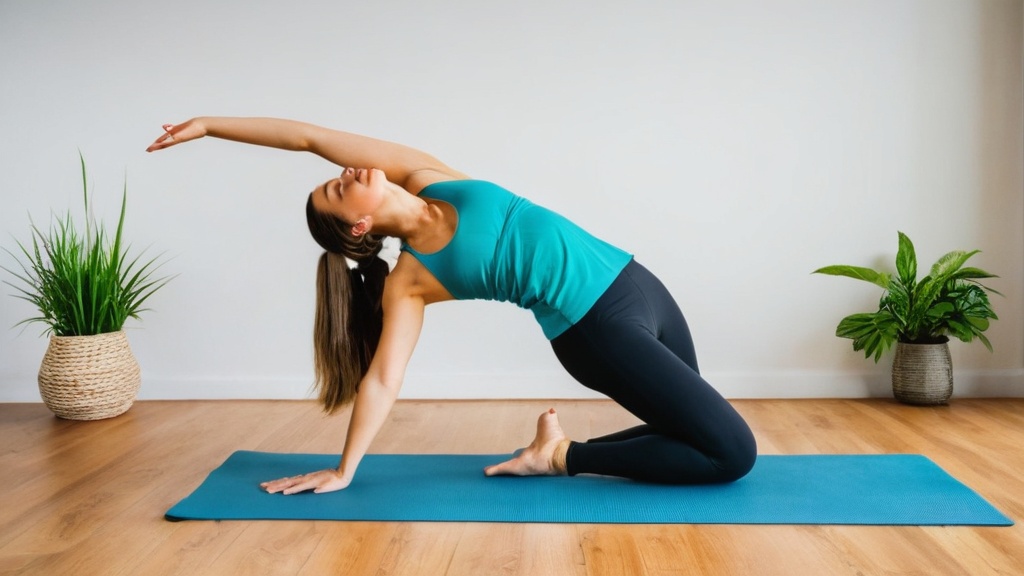
- Camel Pose (Ustrasana): This is a more vigorous backbend. Kneeling on the floor, you arch your back, reaching your hands towards your heels. The deep opening of the chest and the extension of the neck create significant stimulation for the thyroid. It’s important to protect your lower back by engaging your glutes and core. For beginners, you can keep your hands placed on your lower back for support, or use blocks to bring the floor closer to your hands.
- Bow Pose (Dhanurasana): Similar to Camel Pose, Bow Pose is a deep backbend that opens the chest and stimulates the thyroid. You lie on your stomach and reach back to grasp your ankles, lifting your chest and thighs off the floor. The deep arch creates and energizes the throat. The inhale is crucial for lifting, and the exhale for deepening if comfortable.
- Cobra Pose (Bhujangasana): This is a foundational backbend that lies on your stomach. You lift your chest using the strength of your back muscles, keeping your hips on the floor. This opens the chest and neck, promoting circulation to the thyroid. The emphasis is on a gentle lift and sustained breath. You’re not forcing yourself up with your arms, but rather engaging your back muscles to create the arch.
- Legs-Up-the-Wall Pose (Viparita Karani): While not directly compressing the neck, this restorative inversion is excellent for promoting relaxation and a calmer nervous system, which indirectly benefits thyroid health. You lie on your back with your legs extended up the wall. It’s a deeply soothing pose that can help to counteract the effects of stress. You can place a bolster under your hips for added comfort and a greater sense of release.
Exploring Different Yoga Styles for Thyroid Support
While specific poses are beneficial, the style of yoga you choose can significantly impact your experience and the effectiveness of your practice for thyroid support. You’re not locked into one rigid path; rather, you can select what resonates most with your body and energy levels.
Hatha Yoga: A Solid Foundation
Hatha yoga is often considered the foundational style of yoga, focusing on a balance of breath and postures. A typical Hatha class might move at a moderate pace, holding poses for several breaths.
- Why it works for thyroid: This style allows you to focus on the alignment and sensation in your neck and throat during the key poses. The slower pace gives you ample time to breathe consciously and feel the effects of the postures. You can truly embody the principles of calming the nervous system and gently stimulating the glandular system. It’s a great starting point if you’re new to yoga or looking for a practice that isn’t overly strenuous. You’re given the space to explore each pose with intention.
Vinyasa Yoga: Dynamic Flow for a Healthy Flow
Vinyasa yoga is characterized by its flowing sequences, where movement is synchronized with breath. Poses are linked together in a dynamic sequence, creating a continuous flow.
- Why it works for thyroid: The continuous movement in Vinyasa can help to generate internal heat, which can be beneficial for boosting metabolism, especially if hypothyroidism is a concern. The rhythmic nature of the practice can also be very calming for the nervous system, similar to a moving meditation. While you might move through poses more quickly, the emphasis on breath and consistent movement can still contribute to overall well-being and stress reduction, crucial for thyroid health. You’ll find the energetic nature can be quite invigorating.
Restorative Yoga: Gentle Healing and Restoration
Restorative yoga uses props like bolsters, blankets, and blocks to fully support the body in gentle poses, allowing for deep relaxation and healing. Poses are held for extended periods.
- Why it works for thyroid: For many individuals dealing with thyroid issues, especially fatigue and stress, restorative yoga can be incredibly beneficial. The deep relaxation it promotes is paramount for lowering cortisol levels and soothing the nervous system. While it might not offer the direct neck compression of more active poses, its ability to reduce stress and encourage the body’s natural healing processes is invaluable for endocrine balance. This is a practice you might integrate on days when your energy is low, or as a complement to more invigorating styles.
Yin Yoga: Deep Connective Tissue Release
Yin yoga targets the deeper connective tissues of the body, such as fascia, ligaments, and joints. Poses are held for longer durations, typically 3-5 minutes or more.
- Why it works for thyroid: While not directly targeting the thyroid with active movement, Yin yoga’s long holds can create a sustained, gentle stretch that can release tension stored in the neck and shoulders. This tension can sometimes impede energy flow. By releasing this physical stagnation, you may indirectly support better circulation and function within the thyroid region. The meditative aspect of Yin yoga also significantly contributes to stress reduction.
Scientific Backing: What the Research Says
It’s reassuring to know that yoga’s benefits for thyroid health aren’t just anecdotal. A growing body of scientific evidence supports its efficacy, offering you a grounded reason to explore this practice.
Evidence from Systematic Reviews and Studies
- Reducing Thyroid Medication: Perhaps the most compelling evidence comes from systematic reviews that have analyzed multiple studies. One significant review indicated that yoga can lead to a reduction in Thyroid Stimulating Hormone (TSH) levels and a decrease in the dosage of Levothyroxine (LT4) medication needed by individuals with hypothyroidism. It also showed improvements in the ratios of T3 and T4 hormones, which are crucial for metabolic function.
- Improving Lipid Profiles and Quality of Life: Beyond direct thyroid hormone levels, the same reviews highlight yoga’s positive impact on lipid profiles, which can often be imbalanced in individuals with thyroid disorders. Furthermore, practitioners often report significant improvements in their quality of life (QoL) and a notable reduction in stress levels. This multi-faceted improvement suggests a holistic benefit.
- No Adverse Effects Noted: Crucially, these studies have generally found yoga to be safe with no significant adverse effects, making it a low-risk complementary therapy. This is a vital piece of information when considering adding any new practice to your health regimen.
Recent Insights and Mechanisms of Action
- Stress Hormone Regulation: Modern research increasingly emphasizes the link between chronic stress and thyroid dysfunction. Yoga’s ability to effectively lower cortisol levels through mindful practice and relaxation techniques is a key mechanism through which it supports thyroid health. By calming the HPA (hypothalamic-pituitary-adrenal) axis, yoga creates a more favorable hormonal environment.
- Nervous System Soothing: The autonomic nervous system has two branches: the sympathetic (fight or flight) and the parasympathetic (rest and digest). Chronic stress keeps the sympathetic system dominant, which can disrupt hormonal balance. Yoga helps to shift this balance towards the parasympathetic, allowing for better regulation and healing.
- Inflammation and Weight Management: Emerging research also points to yoga’s role in reducing inflammation throughout the body. Chronic inflammation can contribute to autoimmune thyroid conditions like Hashimoto’s thyroiditis. Additionally, the combination of stress reduction, improved metabolism, and mindful eating often associated with a yoga practice can contribute to healthy weight management, a common challenge for those with thyroid issues.
Crafting Your Weekly Yoga Practice for Thyroid Health
| Yoga Pose | Description | Benefits for Thyroid |
|---|---|---|
| Shoulder Stand (Sarvangasana) | Lie on your back and lift your legs and torso up, supporting your back with your hands. | Stimulates the thyroid gland and improves its function. |
| Plow Pose (Halasana) | Lie on your back and lift your legs over your head, touching the floor behind you. | Stimulates the thyroid gland and helps regulate metabolism. |
| Camel Pose (Ustrasana) | Kneel on the floor and arch your back, reaching for your heels with your hands. | Stretches the neck and throat, stimulating the thyroid gland. |
Knowing which poses are beneficial is one thing, but integrating them into a consistent, effective practice is another. You’ll want to approach this with a structured yet flexible mindset, allowing your body to guide you.
A Sample Weekly Practice Plan
This is a suggestion, and you should always adapt it based on your energy levels, physical condition, and any specific recommendations from your healthcare provider. Aim for consistency rather than perfection.
- Monday: Gentle Flow and Neck Activation (30 minutes)
- Focus: Start the week with a gentle Hatha or Vinyasa flow that includes Cobra, Bridge, and a focus on breathwork.
- Key Poses: Begin with a few rounds of Sun Salutations (Surya Namaskar) to warm up. Incorporate Cobra (Bhujangasana), Bridge Pose (Setu Bandhasana), and Cat-Cow (Marjaryasana-Bitilasana) for spine mobilization.
- Thyroid Focus: Include gentle neck stretches and movements within your warm-up and cool-down.
- Tuesday: Deeper Inversions and Restoration (25-30 minutes)
- Focus: Dedicate this session to the more potent inversion poses, followed by relaxation.
- Key Poses: Supported Shoulderstand (Sarvangasana) is a must. You can hold it for 3-5 minutes, focusing on deep breaths. Follow this with Fish Pose (Matsyasana) for 2-3 minutes. If you feel ready and your body allows, you can incorporate Plough Pose (Halasana) for a shorter duration (1-2 minutes), ensuring your neck is protected. Finish with Legs-Up-the-Wall Pose (Viparita Karani) for 5-10 minutes to allow your body to integrate the practice.
- Wednesday: Active Backbends and Chest Openers (30 minutes)
- Focus: Engage in poses that open the chest and stimulate the thyroid through gentle backbending.
- Key Poses: A moderate Vinyasa flow could work well here. Include Camel Pose (Ustrasana), perhaps starting with hands on your lower back or using blocks. Also, practice Bow Pose (Dhanurasana). Remember to focus on your breath and listen to your body’s limits.
- Thursday: Restorative Focus with Gentle Neck Work (20-25 minutes)
- Focus: Prioritize deep relaxation and gentle release.
- Key Poses: Revisit Legs-Up-the-Wall Pose (Viparita Karani) for an extended period (10-15 minutes). You can also incorporate supported Bridge Pose with a block under your sacrum for 5 minutes. Focus on mindful breathing throughout.
- Friday: Balanced Flow and Pranayama (30 minutes)
- Focus: A well-rounded practice that blends postures with energizing breathwork.
- Key Poses: A moderate Hatha or Vinyasa class that includes a mix of standing poses, twists, and mild backbends.
- Pranayama: Dedicate the last 5-10 minutes to pranayama like Lion’s Breath (Simhasana Pranayama). This breathwork involves exhaling with an open mouth and a sound, which can help to both relax and invigorate the throat and facial area, potentially supporting thyroid function.
- Saturday: Longer Practice or Active Outdoor Activity (Optional)
- Focus: You might opt for a longer Hatha or Vinyasa class, or engage in other forms of physical activity you enjoy. The key is to move in a way that feels good and supports your body.
- Sunday: Complete Rest or Very Gentle Stretching
- Focus: Allow your body to rest and recover. This is just as important as the active practice.
Integrating Pranayama and Mindfulness
- Pranayama: When you practice, remember to infuse it with conscious breathwork. Techniques like Lion’s Breath (Simhasana Pranayama) are particularly noted for their potential to stimulate the throat area. Others like Ujjayi Breath (victorious breath) can create internal warmth and focus, which are beneficial.
- Mindfulness: Throughout your practice, cultivate a sense of presence. Notice the sensations in your body, particularly in your neck and throat. This mindful awareness is a powerful stress reducer in itself and helps you connect with your body’s subtle signals.
When to Seek Professional Guidance
While yoga offers wonderful complementary benefits, it’s vital to approach it with awareness and professionalism, especially when dealing with a health condition like thyroid dysfunction.
Consulting Your Healthcare Provider
- Before You Begin: Always discuss your intention to start or modify your yoga practice with your doctor or endocrinologist. They can provide personalized advice based on your specific thyroid condition, its severity, and any other health considerations you may have. They know your medical history and can guide you on what’s safe and appropriate for you.
- Medication Adjustments: Never make any changes to your thyroid medication dosage without explicit instructions from your doctor. Yoga is a supportive practice, not a replacement for prescribed medical treatment.
Working with a Qualified Yoga Instructor
- Find an Experienced Instructor: Look for a yoga instructor who has experience working with students who have chronic health conditions. It’s beneficial if they have some understanding of yoga for specific therapeutic purposes or endocrine support.
- Communicate Your Needs: Before class, inform your instructor about your thyroid condition and any specific areas of your body you need to be mindful of. They can offer modifications to poses and ensure you’re practicing safely and effectively.
- Listen to Your Body: Your yoga instructor can guide you, but ultimately, you are the best judge of what your body can do. If a pose causes pain or discomfort, back off or ask for a modification. Yoga should never feel like a struggle or cause distress.
By combining the ancient wisdom of yoga with modern scientific understanding and professional medical guidance, you can embark on a journey of holistic wellness that supports your thyroid and enhances your overall quality of life. You are taking a proactive role in your health, and that in itself is a powerful step.
FAQs
What is the connection between yoga and the thyroid?
Yoga is believed to have a positive impact on the thyroid gland by reducing stress and promoting relaxation, which can help regulate thyroid function.
Which specific yoga poses are beneficial for the thyroid?
Poses such as Sarvangasana (shoulder stand), Setu Bandhasana (bridge pose), and Matsyasana (fish pose) are considered beneficial for the thyroid gland.
How often should one practice yoga for thyroid health?
It is recommended to practice yoga for thyroid health at least 3-4 times a week for noticeable benefits. Consistency is key in reaping the rewards of yoga for thyroid health.
Are there any specific breathing techniques in yoga that can help the thyroid?
Pranayama, specifically Ujjayi breathing, is known to stimulate the thyroid gland and improve its function.
Can yoga be used as a sole treatment for thyroid disorders?
While yoga can be a beneficial complementary therapy for thyroid disorders, it should not be used as a sole treatment. It is important to consult with a healthcare professional for proper diagnosis and treatment of thyroid conditions.