

Feeling a bit down on yourself lately? Or maybe you’re just looking to feel a little more solid in your own skin? Good news – boosting your self-esteem and confidence isn’t some magical, unattainable thing. It’s more about making some practical, consistent shifts in how you think and act.
Think of self-esteem like a muscle: the more you work it, the stronger it gets. And there are definitely effective ways to give it a good workout. Here are five practical approaches that can genuinely help you feel better and more capable.
This might sound obvious, but it’s surprisingly powerful. Big goals can feel overwhelming, and when we don’t reach them, it can chip away at our confidence. Breaking things down into manageable steps, however, allows for regular successes, which build momentum.
The Power of Incremental Progress
When you’re trying to build confidence, the idea of tackling a huge personal change can be intimidating. Let’s say you want to get more organized, learn a new skill, or improve your fitness. If you aim for “perfectly organized” overnight, the gap between where you are and where you want to be can feel impossible.
Instead, focus on the tiny steps. For organization, this could be deciding to just clear off your desk for five minutes each day. For a new skill, it might be committing to just 15 minutes of practice daily. For fitness, it could be a 10-minute walk. These aren’t monumental efforts, but each time you complete one, you’ve achieved something.
Tracking Your Accomplishments
It’s easy to forget the little victories along the way. Keeping a journal or even just a note on your phone where you jot down what you accomplished – no matter how small – can be incredibly motivating. Seeing a list of “Did this” items builds a tangible record of your capabilities.
Think about it: if you’ve been consistently doing your 15 minutes of practice, even if you’re not a virtuoso yet, you’ve still learned something. You’ve applied yourself. You’ve progressed. This record becomes evidence against those nagging doubts that say you’re not good enough or not making headway. When you feel a dip in confidence, looking back at your list can be a real pick-me-up, reminding you of what you’re capable of.
The Ripple Effect of Small Successes
Each small win creates a positive ripple. Completing that five-minute desk clearing session might make your workspace more pleasant, which in turn might make you feel a bit more in control. That 15 minutes of practice, while small, adds up over time, and you’ll notice actual improvements in your skill. Those short walks eventually lead to better endurance and a feeling of physical accomplishment. These aren’t just isolated events; they create a chain reaction of positive feelings and reinforce your belief in your ability to act and achieve.
Challenging Negative Self-Talk
We all have an inner critic. The trick is to learn to recognize it and then question its validity, rather than just accepting its pronouncements as fact. This is about shifting from automatic negative thought patterns to a more balanced and realistic perspective.
Identifying Your Inner Critic’s Voice
The first step is awareness. Pay attention to the thoughts that run through your head, especially when you make a mistake or face a challenge. Is it a harsh, judgmental voice? Does it use words like “always,” “never,” “stupid,” or “failure”? Often, this inner critic is not acting in your best interest; it’s often just a habit of thought that’s become ingrained.
For instance, if you forget a colleague’s name, your inner critic might immediately say, “You’re so forgetful, you’ll never remember anything.” Or if you stumble over your words in a presentation, it might whisper, “That was embarrassing, everyone thinks you’re incompetent.” Recognizing these specific thought patterns is crucial. They’re not necessarily true; they’re just thoughts.
Questioning the Evidence
Once you’ve identified a negative thought, the next step is to be a detective. Ask yourself: “Is this thought really true?” Look for objective evidence that supports or contradicts it.
Let’s use the forgetful example. While you did forget a name, are you always forgetful? Probably not. Can you recall other instances where you remembered names or important information? For the presentation stumble, did everyone actually notice or care as much as your inner critic made you believe? Chances are, most people were focused on the content or their own thoughts. This process of questioning actively disarms the automatic negativity.
Replacing Negativity with Balanced Thoughts
After challenging the negative thought, replace it with a more balanced and realistic one. This isn’t about forced positivity, but about finding a more accurate and less damaging perspective.
Instead of “I’m so forgetful,” you might think, “I sometimes forget names, but I have a good memory for other things. I can make an effort to write that name down next time.” For the presentation fumble, a balanced thought could be, “I stumbled over a few words, but I recovered and delivered the main points. It’s okay to have a less-than-perfect moment; I can learn from it and prepare more thoroughly next time.” This requires practice, but gradually, you can retrain your brain to adopt more constructive self-assessment.
Embracing and Learning from Mistakes
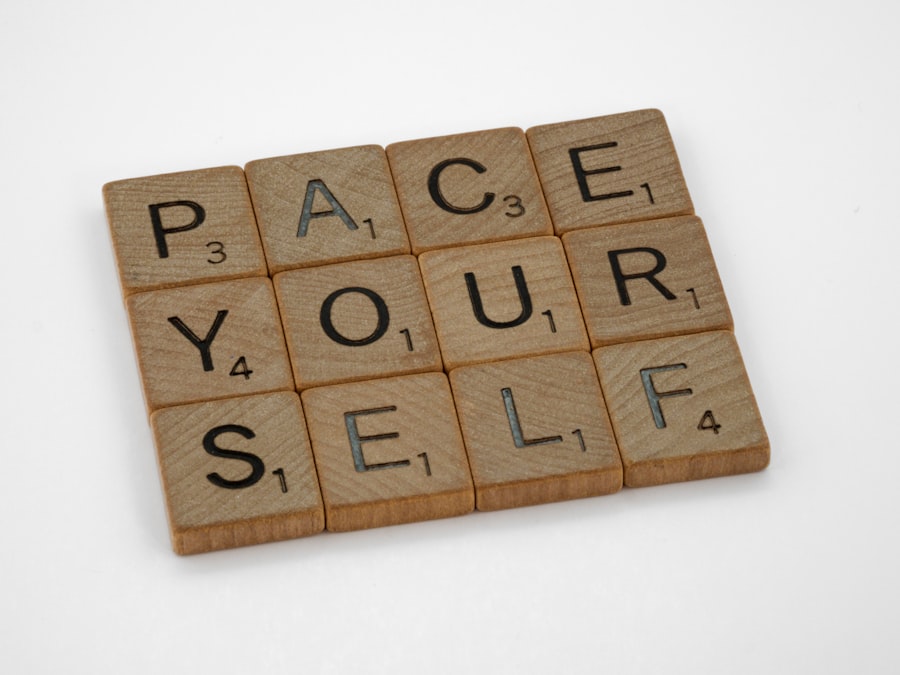
Mistakes are an unavoidable part of life. Instead of viewing them as personal failures that diminish your worth, consider them as valuable learning opportunities that contribute to your growth and resilience.
Reframing “Failure” as “Feedback”
The word “failure” carries a heavy, negative connotation. It suggests finality and a lack of capability. However, if we start to view experiences that don’t go as planned as simply “feedback,” the emotional weight shifts. Feedback isn’t about judging your inherent worth; it’s information that tells you what worked, what didn’t, and what you can adjust for next time.
Think about a scientist conducting an experiment. If an experiment doesn’t yield the expected result, they don’t declare themselves a failure as a scientist. They analyze the data, identify variables that might have contributed to the outcome, and adjust their approach for the next iteration. This is the same mindset we can apply to our own lives.
Extracting Lessons from Setbacks
Every setback, no matter how small, contains lessons. What went wrong? What could you have done differently? Who or what could have helped you? These questions aren’t meant to induce guilt, but to foster a problem-solving approach.
For example, if you tried to start a new hobby and quickly gave up because it was harder than you expected, the feedback might be that you need more foundational knowledge, or perhaps the pace was too aggressive. Instead of concluding “I’m not creative,” you could conclude “I need to find beginner resources for this hobby” or “I need to manage my expectations about the learning curve.” The lesson turns a negative experience into a stepping stone.
Developing Resilience Through Experience
The more you practice reframing mistakes and extracting lessons, the more resilient you become. Resilience isn’t about never falling down; it’s about how quickly and effectively you can get back up. Each time you navigate a mistake constructively, you’re building your capacity to handle future challenges.
This builds a quiet confidence that isn’t based on never failing, but on knowing you can learn and adapt when things don’t go perfectly. It’s knowing that a misstep isn’t the end of the road, but just a detour that can teach you a new route. This understanding fosters a much more robust sense of self-assurance than one based on a flawless record, which is frankly, impossible to maintain.
Focusing on What You Can Control

A significant drain on self-esteem can come from worrying about things outside our influence. Shifting your focus to the aspects of a situation or your life that you can affect empowers you and reduces anxiety.
The Futility of Worrying About the Uncontrollable
We’ve all been there: agonizing over things we have absolutely no power to change. The weather on a planned picnic, other people’s opinions, past decisions that can’t be undone, or future events that are inherently uncertain. These worries consume energy and create a sense of helplessness, which is a direct antagonist to confidence.
Think of it as trying to push a boulder uphill with your bare hands. It’s exhausting, futile, and probably painful. Worrying about things beyond your control is the mental equivalent of that. It doesn’t change the outcome, but it certainly makes you feel worse.
Identifying Your Sphere of Influence
Take some time to actively identify what you can influence. This is about drawing a clear line between what is within your reach and what is not. In any given situation, ask yourself: “What aspects of this can I actually affect?”
If you’re worried about a job interview, you can’t control if you get the job. But you can control how well you prepare, how you present yourself, and how you handle the questions. If you’re concerned about a difficult conversation with a friend, you can’t control their reaction. But you can control what you say, how you say it, and whether you approach the conversation with an open mind. This conscious effort to define your controllable actions is empowering.
Taking Action Within Your Control
Once you’ve identified what you can control, the next logical step is to take action. This doesn’t have to be grand gestures; small, consistent actions within your sphere of influence add up.
Instead of worrying about the economy affecting your career, focus on upskilling, networking, or making your current role indispensable. If you’re feeling overwhelmed by your workload, you can’t control the tasks themselves, but you can control how you prioritize, delegate (if possible), or ask for clarification. This proactive approach, focusing on what you can do, gradually builds a sense of agency and competence, which are cornerstones of self-esteem. It’s about being a participant in your own life, rather than a passive observer of its circumstances.
Building Competence Through Skill Development
| Metrics | Results |
|---|---|
| Number of self-esteem workshops attended | 10 |
| Self-esteem assessment score (out of 10) | 8.5 |
| Positive self-affirmations practiced daily | 30 |
| Number of self-care activities engaged in weekly | 5 |
Genuine confidence often stems from knowing you can do things well. Developing new skills or honing existing ones provides tangible proof of your capabilities and increases your belief in your ability to tackle challenges.
The Link Between Skill and Confidence
Imagine you’re learning to drive. Initially, it’s nerve-wracking. You’re not sure if you can handle the car, follow traffic rules, or merge safely. But as you practice, gain experience, and master the techniques, your confidence grows. You start to feel comfortable and capable behind the wheel. This is because you’ve built competence.
This principle applies to every area of life. Whether it’s learning a new software program for work, mastering a recipe, or understanding a complex subject, when you invest time and effort in learning, you gain a valuable asset: competence. This competence then translates directly into a more robust and earned sense of self-esteem. It’s a kind of confidence that’s hard to shake because it’s built on actual ability.
Identifying Areas for Growth
Think about what you’d like to be better at, or what skills would make your life easier or more fulfilling. This isn’t about comparing yourself to others, but about identifying personal growth opportunities. Are there tasks at work you wish you could handle more efficiently? Is there a hobby you’ve always wanted to try? Do you want to communicate more effectively?
These areas of desired growth are fertile ground for skill development. Don’t feel pressured to become an expert overnight. The goal is improvement, not perfection. For instance, if you want to improve your public speaking, you don’t need to become the next TED Talk sensation immediately. Simply aiming to speak more clearly and concisely in team meetings is a valuable skill development goal.
Practical Steps to Skill Acquisition
Once you’ve identified an area, break down how you can acquire that skill. This often involves a combination of learning and practice.
- Seek out resources: This could mean online courses (many are free or low-cost), books, tutorials, workshops, or even finding a mentor. For example, if you want to learn photography, you can find countless YouTube tutorials on camera settings, composition, and editing software.
- Practice consistently: Skill development is rarely a solo act of reading or watching. It requires active engagement. Dedicate regular time to practicing what you’re learning. If you’re learning to code, work on small coding challenges daily. If you’re aiming to improve your cooking skills, try a new recipe each week.
- Seek feedback: Once you’ve practiced, don’t be afraid to ask for constructive criticism from trusted sources. For example, if you’re writing creative pieces, share them with a writing group. This feedback helps you identify blind spots and areas for further improvement, accelerating your development and, consequently, your confidence. This incremental mastery breeds a deep-seated belief in your ability to learn, adapt, and achieve.