
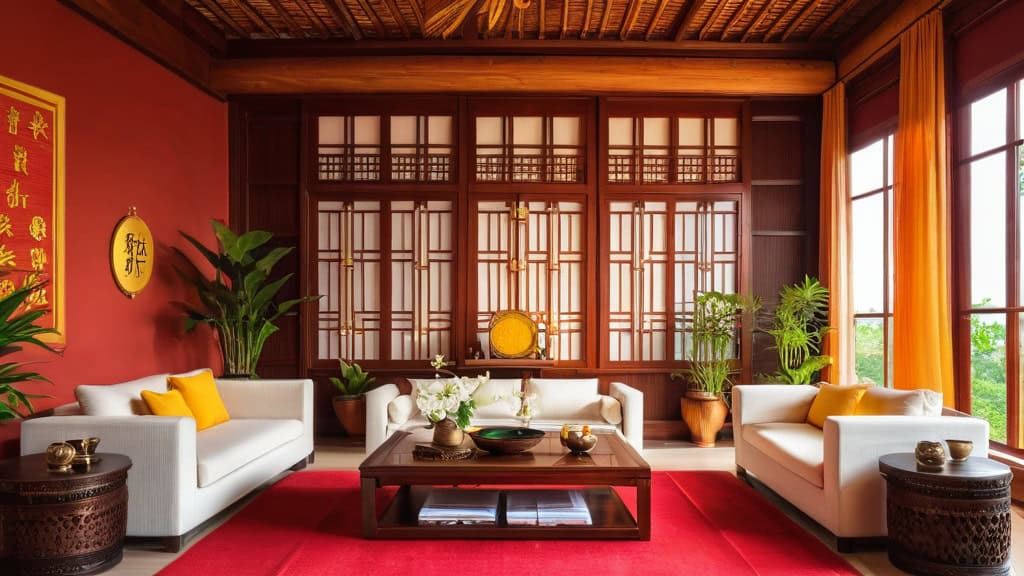
Feng Shui, an ancient Chinese practice, revolves around the idea that the arrangement of your environment can significantly influence your life. At its core, Feng Shui is about creating a harmonious relationship between individuals and their surroundings. You may find it fascinating that this practice dates back thousands of years, rooted in the belief that everything in the universe is interconnected. The term itself translates to “wind” and “water,” symbolizing the flow of energy, or “chi,” that permeates all living spaces. By understanding these foundational concepts, you can begin to appreciate how your environment affects your well-being.
As you delve deeper into Feng Shui, you’ll discover that it encompasses various elements, including the five elements—wood, fire, earth, metal, and water. Each element has its unique characteristics and associations, influencing different aspects of life. For instance, wood represents growth and vitality, while water symbolizes abundance and flow. By recognizing these elements and their significance, you can start to see how they can be integrated into your living space to promote balance and harmony. Understanding the basics of Feng Shui empowers you to make informed decisions about your environment, ultimately enhancing your quality of life.
Key Takeaways
- Feng Shui is an ancient Chinese practice that focuses on creating harmony and balance in living spaces.
- Applying Feng Shui principles to your home involves arranging furniture, using colors, and incorporating natural elements to create a harmonious environment.
- Creating balance and harmony in your living space with Feng Shui involves decluttering, organizing, and using symbols of positivity and abundance.
- Incorporating Feng Shui into your interior design means paying attention to the flow of energy, using mirrors strategically, and incorporating elements of nature.
- Feng Shui tips for creating a calming and relaxing bedroom include using soothing colors, minimizing electronics, and positioning the bed for optimal energy flow.
Applying Feng Shui Principles to Your Home
When it comes to applying Feng Shui principles to your home, the first step is to assess the energy flow within your space. You might want to start by observing how you feel in each room. Are there areas that feel cluttered or stagnant? These spaces may be blocking the flow of chi, leading to feelings of discomfort or unease. By decluttering and organizing your home, you can create a more inviting atmosphere that encourages positive energy to circulate freely. This simple act can have a profound impact on your overall well-being.
Another essential principle of Feng Shui is the concept of the Bagua map, which divides your space into nine areas corresponding to different aspects of life, such as wealth, health, and relationships.
By identifying which areas of your home align with these aspects, you can make targeted adjustments to enhance specific areas of your life.
For example, if you’re looking to improve your financial situation, you might focus on the wealth corner of your home, typically located in the far left corner from the entrance. Incorporating elements like plants or water features in this area can help attract prosperity and abundance.

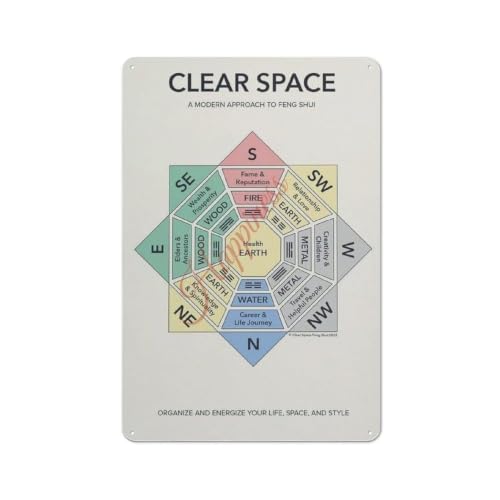
【Perfect Size & Eye-Catching Design】 Carefully designed in popular sizes 8×12 inch , this metal sign offers the perfect balance between visibility and decoration. The clear artwork and stylish design make the message easy to notice while adding a unique decorative touch without overwhelming your space.

Using Feng Shui to Create Balance and Harmony in Your Living Space
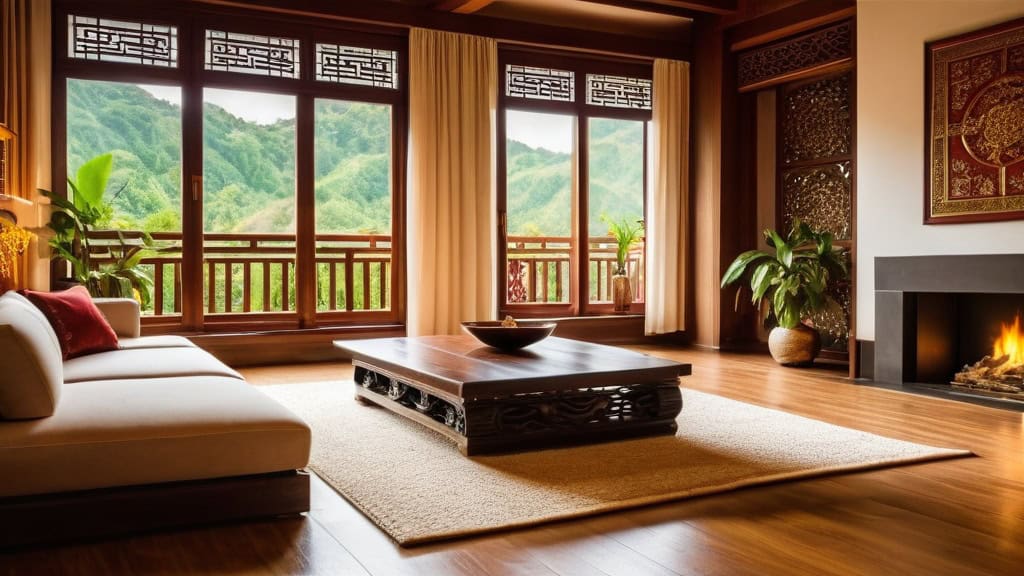
Creating balance and harmony in your living space through Feng Shui involves more than just rearranging furniture; it requires a thoughtful approach to how you interact with your environment. One effective way to achieve this is by ensuring that each room serves a clear purpose and reflects your personal style. You may want to consider how colors, shapes, and materials influence the energy in each space. For instance, soft colors and rounded shapes can create a calming atmosphere, while bold colors and sharp angles may energize a room.
In addition to aesthetics, consider the placement of furniture and decor items. You should aim for a layout that promotes easy movement and encourages conversation. Avoid placing furniture in a way that blocks pathways or creates barriers; instead, arrange seating to foster connection and interaction. By prioritizing flow and accessibility, you can cultivate an environment that feels welcoming and harmonious, allowing you to thrive in your daily life.
Incorporating Feng Shui into Your Interior Design
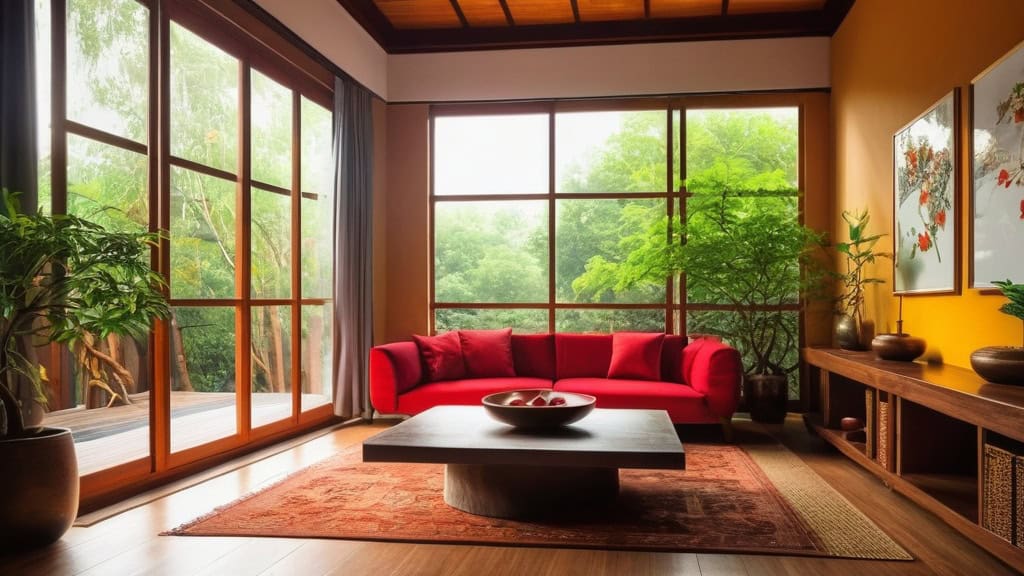
Incorporating Feng Shui into your interior design can transform your home into a sanctuary that nurtures both body and spirit. Start by selecting colors that resonate with the energy you wish to cultivate in each room. For example, if you’re aiming for tranquility in your living room, consider using soft blues or greens that evoke a sense of calm. On the other hand, if you’re looking to energize your workspace, vibrant reds or yellows can stimulate creativity and motivation.
Beyond color choices, pay attention to the materials and textures you use in your decor. Natural materials like wood and stone can enhance the connection between your home and nature, promoting a sense of grounding and stability. You might also want to incorporate plants into your design; they not only purify the air but also bring life and vitality into your space. By thoughtfully selecting elements that align with Feng Shui principles, you can create an interior design that not only looks beautiful but also supports your overall well-being.
Feng Shui Tips for Creating a Calming and Relaxing Bedroom
| Principle | Description |
|---|---|
| Bagua Map | A map used in feng shui to analyze the energy of a space and determine the best placement of objects. |
| Five Elements | Wood, fire, earth, metal, and water are the five elements used in feng shui to balance energy in a space. |
| Yin and Yang | The concept of dualism, representing the balance of opposite forces in the universe. |
| Chi | The life force energy that flows through all living things, and is important in feng shui for creating harmony. |
| Clutter Clearing | Removing clutter from a space to allow for the free flow of energy and create a more harmonious environment. |
Your bedroom should be a haven for rest and rejuvenation, making it essential to apply Feng Shui principles for a calming atmosphere. Start by decluttering this space; remove any items that do not belong or contribute positively to your relaxation. A clean and organized bedroom allows for better energy flow, making it easier for you to unwind at the end of the day.
When arranging furniture in your bedroom, consider placing your bed in a commanding position—ideally facing the door but not directly in line with it. This position provides a sense of security and control over your environment. Additionally, choose soft bedding materials and soothing colors that promote relaxation. You might also want to limit electronic devices in this space; instead, opt for soft lighting and calming scents like lavender or chamomile to create an inviting atmosphere conducive to restful sleep.
Enhancing Productivity and Success with Feng Shui in Your Home Office
Your home office is a space where productivity thrives, so applying Feng Shui principles here can significantly impact your success. Begin by ensuring that your desk is positioned in a commanding position—facing the door but not directly aligned with it—allowing you to feel empowered while working. This arrangement fosters focus and concentration while minimizing distractions.
Incorporate elements that inspire creativity and motivation into your office design. Consider adding artwork or motivational quotes that resonate with you personally. Additionally, keep your workspace organized; clutter can lead to mental blockages that hinder productivity. By maintaining an orderly environment and surrounding yourself with inspiring elements, you can create a home office that supports your professional goals while enhancing overall well-being.
Using Feng Shui to Improve Relationships and Communication at Home
Feng Shui can play a vital role in enhancing relationships and communication within your home. Start by focusing on the relationship corner of your living space—typically located in the far right corner from the entrance. You might want to incorporate pairs of items such as candles or decorative objects to symbolize partnership and harmony.
In addition to physical elements, consider how you arrange seating in communal areas like the living room or dining room. Aim for configurations that encourage conversation and connection among family members or guests. Avoid placing furniture in a way that creates barriers; instead, opt for circular arrangements that promote inclusivity and open dialogue. By fostering an environment conducive to communication, you can strengthen relationships within your household.
Maintaining Harmony and Balance with Feng Shui Practices
To maintain harmony and balance through Feng Shui practices, it’s essential to regularly assess your living space and make adjustments as needed. Life is dynamic; as circumstances change, so too should your environment reflect those shifts. You may find it helpful to perform seasonal decluttering rituals or rearrange furniture periodically to refresh the energy flow within your home.
Additionally, consider incorporating daily practices such as mindfulness or meditation into your routine. These practices can help you stay attuned to the energy around you while fostering a deeper connection with yourself and your environment. By remaining proactive in maintaining balance through Feng Shui principles, you can create a nurturing space that supports your well-being for years to come.
In conclusion, embracing Feng Shui principles offers a pathway toward creating a harmonious living environment that nurtures both body and spirit. By understanding its basics, applying its principles thoughtfully throughout your home, and regularly assessing your space’s energy flow, you can cultivate an atmosphere that enhances every aspect of your life—from relaxation in the bedroom to productivity in the home office. As you embark on this journey toward balance and harmony, remember that small changes can lead to significant transformations in how you experience your living space.
FAQs
What are the basic principles of feng shui?
The basic principles of feng shui involve creating a harmonious environment by arranging furniture, decor, and other items in a way that promotes positive energy flow, balance, and harmony.
How does feng shui affect the energy in a space?
Feng shui is believed to affect the energy, or chi, in a space by creating a balanced and harmonious environment that allows for the free flow of positive energy. This can lead to improved well-being, relationships, and success.
What are some common feng shui practices for the home?
Common feng shui practices for the home include decluttering, using the bagua map to determine the best placement of furniture and decor, incorporating the five elements (wood, fire, earth, metal, and water), and ensuring good air and light quality.
Can feng shui be applied to any space?
Feng shui principles can be applied to any space, including homes, offices, and outdoor areas. The goal is to create a balanced and harmonious environment that promotes positive energy flow and well-being.
What are the potential benefits of applying feng shui principles?
Potential benefits of applying feng shui principles include improved energy and well-being, better relationships, increased success and prosperity, and a more harmonious and balanced environment.