
You’re about to discover the power of standing yoga, a practice that can ground you, strengthen you, and bring a renewed sense of balance to your life. Forget the image of complicated inversions or pretzel-like contortions. Standing yoga, particularly for beginners, is about foundational movements, building awareness from your feet upwards, and cultivating a connection to your own physical presence. You’ll learn simple yet profoundly effective postures that can be practiced almost anywhere, transforming your connection with your body and improving your overall well-being.
Mountain Pose, or Tadasana in Sanskrit, is the absolute cornerstone of your standing yoga practice. You might think, “Standing still? How is that yoga?” But within this stillness lies immense power and precision. It’s your opportunity to consciously connect with the earth beneath you and establish proper alignment throughout your entire body. Mastering Mountain Pose sets the stage for every other standing posture you will learn. You can begin your exploration of this pose right now, even without a yoga mat, as long as you’re on a stable, non-slip surface.
Understanding the Mechanics of Tadasana
Let’s break down how to properly inhabit Mountain Pose. You’ll want to stand with your feet hip-width apart, or you can bring your big toes to touch, keeping your heels slightly apart. Find a place where you can distribute your weight evenly across both feet. Imagine four points of contact: the ball of your big toe, the ball of your little toe, and the inner and outer edges of your heel. Feel this connection to the ground. Gently draw your kneecaps upwards, this engages your quadriceps without locking your knees. Your thighs should feel active but not rigid.
Pelvic Alignment and Core Engagement
Tuck your tailbone slightly downwards, creating a neutral pelvis. Avoid overarching your lower back or tucking it under too much. Think about lengthening your spine from your tailbone all the way up to the crown of your head. Now, engage your core. Gently draw your navel towards your spine. This isn’t a forceful clenching, but rather a gentle drawing inward that supports your spine and creates stability. Feel the muscles around your abdomen and lower back working together.
Arm Placement and Shoulder Relaxation
Allow your arms to hang by your sides, palms facing forward or towards your body. Resist the urge to let your shoulders creep up towards your ears. Instead, actively draw them down and back, broadening across your collarbones. Imagine creating space between your shoulder blades. Your fingers can be naturally spread or gently closed. Feel the length in your arms, from your shoulders all the way to your fingertips.
The Crown of Your Head
Finally, imagine a string gently pulling you upwards from the crown of your head. This creates a feeling of elongation throughout your entire spine. Your chin should be parallel to the floor, or slightly tucked if that feels more comfortable. Your gaze, or drishti, can be softly focused on a point directly in front of you.
Benefits You’ll Discover in Mountain Pose
You might be surprised what you find in this seemingly simple pose. Mountain Pose cultivates better posture by bringing awareness to your spinal alignment. It improves balance as you learn to distribute your weight and engage your core. You’ll develop a greater sense of body awareness, understanding where you hold tension and how to release it. Furthermore, it can help to reduce fatigue by promoting efficient use of your muscles and improving circulation. Regularly practicing Tadasana can bring a sense of groundedness and stability into your everyday life, helping you feel more centered and present.
Building Strength and Stability: Lunges and Warriors
Once you’ve established a sense of grounding in Mountain Pose, you’re ready to explore postures that build strength and stability in your legs and hips. High Lunge and Warrior II are excellent choices for beginners. These poses challenge your balance and flexibility, while also significantly strengthening your leg muscles and improving your stamina. You’ll learn to move with intention and find power in controlled expansion.
High Lunge: Reaching for New Heights
High Lunge is a dynamic pose that opens your hips and strengthens your legs. You’ll begin by stepping forward from Mountain Pose. Start with a small step and gradually lengthen your stride as you become more comfortable.
Executing High Lunge with Precision
From Mountain Pose, step your left foot back about three to four feet. Bend your right knee, aiming to stack it directly over your ankle. Your right thigh should ideally be parallel to the floor, but don’t force it. If your knee is going past your ankle, shorten your stride. Your back leg remains straight, with your back foot pressing firmly into the ground. You can keep your back toes pointing forward, or slightly turned out depending on your hip flexibility.
Core and Arm Integration in Lunge
Engage your abdominal muscles, drawing your navel towards your spine to support your lower back. Your chest should be lifted and open. As you inhale, bring your arms overhead, palms facing each other. Extend energetically through your fingertips, creating a sense of expansion. Your arms can be shoulder-width apart, or closer if that feels more comfortable. Keep your shoulders relaxed down away from your ears.
Warrior II: The Steadfast Stance
Warrior II, or Virabhadrasana II, is a powerful pose that builds both strength and a strong sense of groundedness. It’s a pose of fierce yet peaceful presence.
Establishing the Warrior II Form
Begin by standing with your feet about three to four feet apart, similar to the starting stance for High Lunge. Turn your right foot out 90 degrees, so your toes point towards the short edge of your mat. Your left foot will be angled slightly inward, about 10 to 15 degrees. You want your front heel to align roughly with the arch of your back foot.
Deepening the Warrior Stance
Bend your right knee, aiming to stack it directly over your right ankle. Continue to work towards bringing your right thigh parallel to the floor. Press firmly into your back foot, engaging your outer hip and thigh. Your torso should be stacked over your hips, perpendicular to your front leg. Avoid leaning forward or backward.
Reaching Outward in Warrior II
Extend your arms out to the sides, parallel to the floor. Your arms should be strong and active, reaching in opposite directions. Your gaze, or drishti, can be softly focused over your front fingertips. Feel the energy radiating from your fingertips outwards. Keep your shoulders relaxed and your chest lifted, creating a broadness across your chest.
Benefits of Lunges and Warriors for Your Body
These postures are fantastic for building considerable leg strength, particularly in your quadriceps, hamstrings, and glutes. You’ll notice improvements in your balance and stability as you learn to hold these poses with control. They also promote flexibility in your hips and groin, which can be incredibly beneficial for overall mobility. Regular practice can boost your stamina and help you develop a sense of inner fortitude.
Strengthening Your Legs and Core: Chair Pose
Chair Pose, or Utkatasana, is a remarkable posture for building foundational strength in your legs and engaging your core. It’s often overlooked by beginners, but its benefits are substantial, preparing you for more challenging poses. You can perform this pose with a strong intention to feel the heat build in your thighs.
How to Find Your Seat in Chair Pose
Start, as always, in Mountain Pose. As you exhale, bend your knees as if you are about to sit into a chair. Your thighs should move towards parallel with the floor, and your shins should be close to perpendicular to the floor. Your knees should track directly over your ankles.
Pelvic Tilt and Spinal Lengthening
Gently tuck your tailbone down towards the floor. This neutralizes your pelvis and prevents your lower back from arching excessively. Lengthen your spine as you did in Mountain Pose, drawing your chest upwards. Imagine you are sitting back into a real chair, grounding your sit bones.
Arm Variations for Support and Engagement
You have a few options for your arm placement. You can bring your palms together at your heart center in Anjali Mudra, which helps to engage your chest and maintain upright posture. Alternatively, you can extend your arms overhead, parallel to each other, palms facing inward. This variation requires more shoulder strength and can create a deeper stretch through your sides. Ensure your shoulders remain relaxed away from your ears.
The Power of Engagement in Chair Pose
Focus on actively engaging your quadriceps, hamstrings, and glutes. Feel the muscles in your thighs working to support your body. Your core should also be engaged, drawing your navel towards your spine to protect your lower back and create stability. Hold the pose for a few breaths, feeling the strength and heat building within your legs. To release, inhale and extend your legs back to standing in Mountain Pose.
Benefits That Blossom from Chair Pose
Chair Pose is a powerhouse for building strong quadriceps and gluteal muscles. It significantly engages your core, which aids in spinal support and improved posture. This pose also improves ankle flexibility and can be beneficial for strengthening your feet. The increased blood flow to your legs can help reduce fatigue and revitalize your lower body. It’s a pose that teaches you to find strength in holding a steady position.
Balancing with Grace: Tree Pose
Tree Pose, or Vrksasana, is a beloved standing yoga posture that cultivates balance, focus, and a sense of calm. It’s an excellent pose for beginners to practice, with modifications available to suit your current level of stability. You’ll learn to find your center and sway with resilience, much like a tree in the wind.
Finding Your Rooted Stance
Begin in Mountain Pose. Shift your weight onto your left foot, grounding yourself firmly. As you exhale, gently lift your right foot off the floor. You have a few options for placing your lifted foot:
Foot Placement Options for Tree Pose
- Option 1 (Beginner-Friendly): Place the sole of your right foot against your left ankle, keeping your toes on the floor. This offers the most stability.
- Option 2: Place the sole of your right foot against your left calf, being careful not to press directly on your knee joint.
- Option 3: Bring the sole of your right foot to your inner left thigh. This option requires more balance and hip flexibility. If you choose this option, be mindful of your knee position.
Maintaining Stability in Tree Pose
Once you have your foot placed, press the sole of your lifted foot firmly into your standing leg, and press your standing leg back into your foot. This creates a subtle resistance that helps with balance. Keep your standing leg strong and engaged, but avoid locking your knee.
Arm Positions for Balance and Focus
You can bring your palms together at your heart center in prayer position (Anjali Mudra). This is a great way to find your center and focus your gaze. Another option is to extend your arms overhead, reaching towards the ceiling like branches of a tree. If you find your balance wavering, you can always use a wall for support. Gently place one hand on the wall as you find your stability.
Cultivating Focus and Inner Calm
Tree Pose requires concentration. Choose a non-moving spot to rest your gaze, known as your drishti. This point of focus will help you maintain your balance. Breathe deeply and evenly. As you hold the pose, you might feel yourself sway. This is normal. Instead of resisting it, try to move with the sway, finding stability within the movement. Slowly release the pose by bringing your right foot back to the floor. Repeat on the other side.
The Rewards of Standing Tall
Tree Pose is a wonderful practice for improving your balance and concentration. It strengthens your ankles, calves, and thighs. You’ll also develop greater confidence and a sense of inner stillness. The focus required in this pose can help calm your mind and reduce stress. It teaches you to find your stability even when faced with gentle movement.
Putting It All Together: Simple Standing Sequences
| Yoga Position | Description | Benefit |
|---|---|---|
| Mountain Pose (Tadasana) | Standing tall with feet together, arms at sides | Improves posture and strengthens thighs and ankles |
| Tree Pose (Vrksasana) | Standing on one leg with the other foot placed on inner thigh | Improves balance and strengthens legs |
| Warrior I (Virabhadrasana I) | Lunging forward with arms raised overhead | Stretches the chest and shoulders, strengthens legs |
| Chair Pose (Utkatasana) | Sitting back as if in an imaginary chair with arms raised | Strengthens the ankles, thighs, and calves |
As you become more comfortable with individual standing poses, you can begin to string them together into short, flowing sequences. These sequences are designed to build upon each other, reinforcing the principles of alignment and breath awareness. Remember to move slowly and with intention, listening to your body’s cues. You can practice these sequences without a mat on a safe, non-slip surface.
A Gentle Flow to Start Your Day
Begin in Mountain Pose, feeling the connection to the earth beneath you. Take five deep breaths, allowing your body to settle.
Building the Sequence
- Mountain Pose (Tadasana): Take five breaths here, establishing your foundation.
- Inhale: Reach your arms overhead.
- Exhale: Bend your knees and come into Chair Pose (Utkatasana). Hold for three breaths, feeling the strength in your legs.
- Inhale: Straighten your legs, returning to standing with arms overhead.
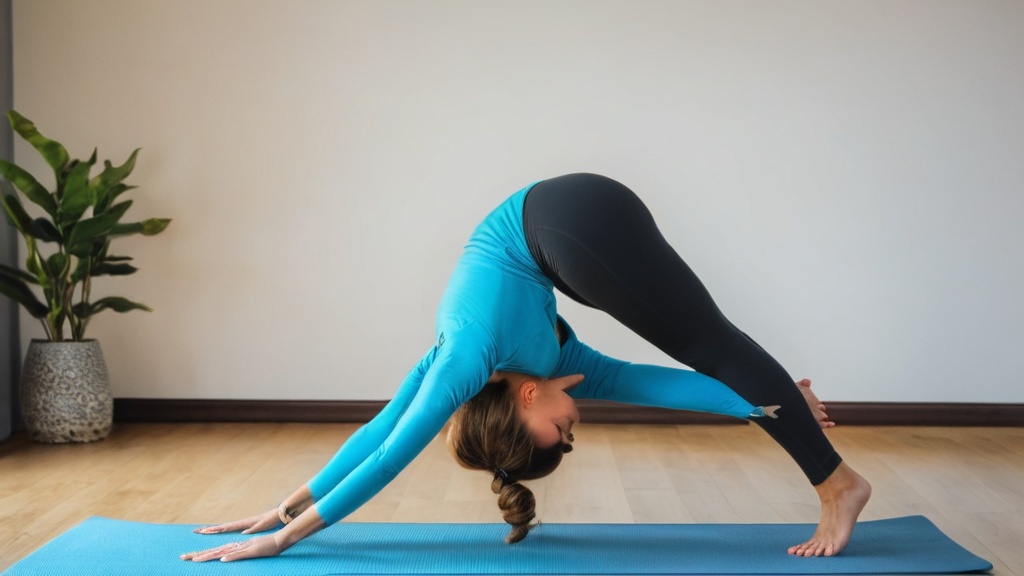
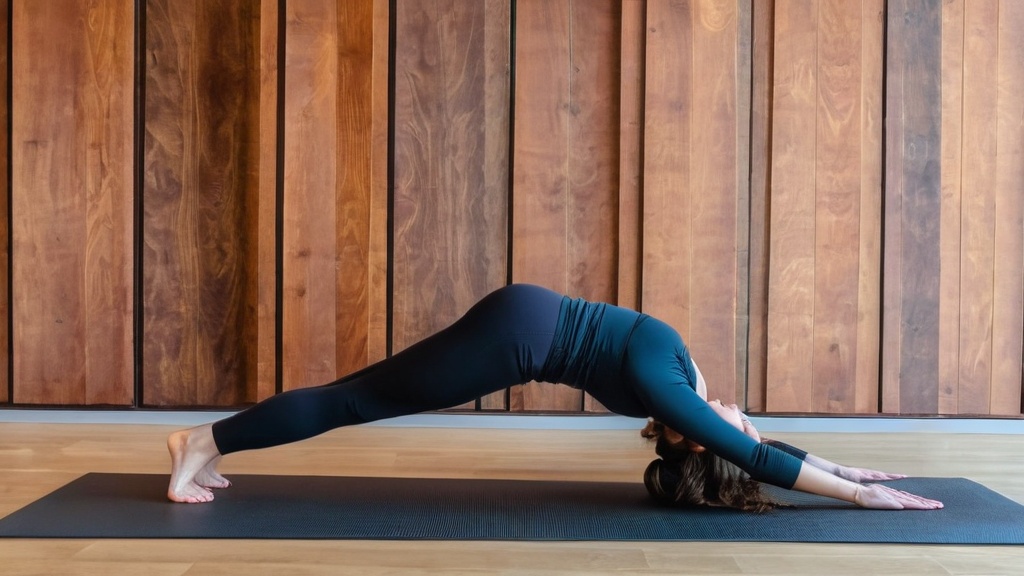
- Exhale: Fold forward into a Standing Forward Bend (Uttanasana), letting your head hang heavy. Allow your knees to be generously bent if your hamstrings feel tight. Hold for three breaths.
- Inhale: Rise halfway up, bringing your hands to your shins or thighs, lengthening your spine. This is Halfway Lift (Ardha Uttanasana). Hold for one breath.
- Exhale: Fold back into Standing Forward Bend.
- Inhale: Sweep your arms out and up, returning to standing in Mountain Pose.
- Step Back: Step your left foot back about three to four feet and come into High Lunge with your right leg forward. Hold for three breaths.
- Return: Step your left foot forward to meet your right, returning to Mountain Pose.
- Repeat: Perform the sequence on the other side, stepping your right foot back for High Lunge on the next repetition.
Incorporating Warrior II into Your Flow
Once you feel comfortable with the basic flow, you can integrate Warrior II. After stepping back into High Lunge, you can transition into Warrior II by adjusting your foot placement.
Transitioning to Warrior II
From High Lunge with your right foot forward:
- Widen your stance slightly if needed.
- Turn your back (left) foot out more so it is perpendicular to the front foot.
- Sink into your front (right) knee, ensuring it tracks over your ankle.
- Straighten your back (left) leg, pressing firmly into the outer edge of your back foot.
- Extend your arms out to the sides, parallel to the floor, with your gaze over your front fingertips. This is Warrior II. Hold for three to five breaths.
- To return to the flow, you can straighten your front leg, turn your front foot parallel to the back foot, and then fold forward, or simply step your back foot forward to meet the front.
General Advice for Your Practice
- Listen to Your Body: Never push into pain. If something feels uncomfortable, ease out of the pose or use a modification.
- Move Slowly: Rushing through poses diminishes their benefits. Allow yourself time to feel the sensations in your body.
- Use Props: Blocks, straps, or even a sturdy chair can be invaluable tools for support and alignment. Don’t hesitate to use them.
- Breathe Consciously: Your breath is your guide. Inhale to lengthen and expand, exhale to deepen and release.
- Consistency is Key: Even short, regular sessions will yield more benefits than infrequent, long ones. Aim for consistency.
Your standing yoga practice is a personal exploration. Approach it with curiosity and patience. You are building a foundation for strength, balance, and well-being, one pose at a time.
FAQs
What are standing yoga positions?
Standing yoga positions are poses that are performed while standing, using the body’s own weight for resistance. These poses help to improve balance, strength, and flexibility.
What are some beginner-friendly standing yoga positions?
Some beginner-friendly standing yoga positions include Mountain Pose (Tadasana), Warrior I (Virabhadrasana I), Warrior II (Virabhadrasana II), and Tree Pose (Vrksasana). These poses are relatively simple and can help beginners build a strong foundation for their yoga practice.
What are the benefits of practicing standing yoga positions?
Practicing standing yoga positions can help improve posture, strengthen the legs and core muscles, increase flexibility, and enhance overall body awareness. These poses also help to calm the mind and improve concentration.
How can beginners improve their balance in standing yoga positions?
Beginners can improve their balance in standing yoga positions by focusing on a fixed point in front of them, engaging their core muscles, and practicing regularly. It’s also helpful to start with simpler poses and gradually progress to more challenging ones as balance improves.
Are there any precautions beginners should take when practicing standing yoga positions?
Beginners should listen to their bodies and avoid pushing themselves too hard. It’s important to maintain proper alignment in each pose to prevent injury. If a pose feels uncomfortable or painful, it’s best to come out of it and seek guidance from a qualified yoga instructor.