
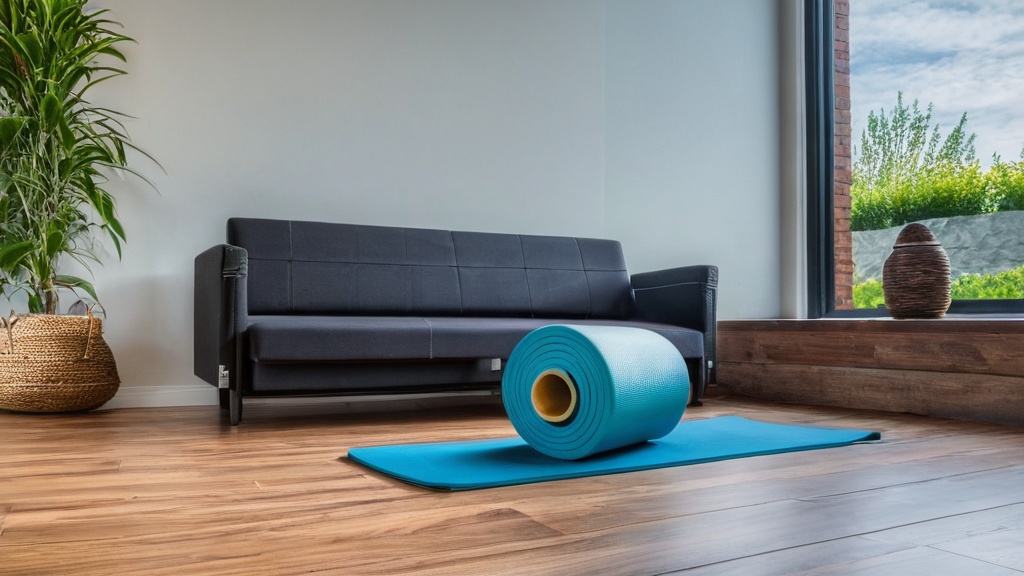
You stand at the beginning of a wonderful path, a path of movement, breath, and mindful stillness. To support your exploration and make your initial steps into the practice of yoga as welcoming as possible, you will want a few key tools. Think of them as your companions, ready to offer support and stability as you discover what your body can do and what your mind can find. You don’t need a whole studio’s worth of gear to begin; a select few items will serve you admirably. Your focus should be on quality and utility, items that will make your practice feel grounded and safe.
The very first consideration for your yoga practice is the surface you will practice on. This is where you will anchor yourself, where you will find your balance, and where you will receive support through each movement. Your yoga mat is, without question, the most important piece of equipment you will acquire as a beginner. It’s your personal space, your sanctuary on the floor. A good mat does more than just provide a cushion; it offers a reliable grip to prevent slips, protects your joints, and acts as a visual reminder of your commitment to your practice.
Choosing the Right Thickness
When you are first looking at yoga mats, you will notice a variety of thicknesses. For you, as someone beginning your yoga journey, a mat with a bit more cushioning is generally advisable. You might see mats described as thin, standard, or thick. While ultralight mats are great for portability, they may not offer the joint protection you need when you are still developing your strength and flexibility.
- Standard Thickness (around 4-5mm): This is a popular choice and a good middle ground. You will get adequate cushioning and good floor contact for stability. For many beginners, this offers a fine balance of comfort and proprioception.
- Thicker Mats (6mm and above): If you find your knees or wrists are particularly sensitive, or if you simply prefer more padding, a thicker mat can be very beneficial. It provides extra comfort and can make holding poses for longer periods even more enjoyable. You may sacrifice a bit of connection to the floor, but for many, the added cushioning is worth it in the early stages of practice.
Grip is Paramount
Beyond thickness, the surface texture of your mat is incredibly important. As you move through poses, especially those that involve transitions or require you to hold your weight, you want to feel secure. A mat that becomes slippery when you sweat can be a source of frustration and, more importantly, a safety concern.
- Understanding Materials: Different materials offer varying levels of grip. PVC mats are known for their durability and good grip. Natural rubber mats also provide excellent traction, though some people have sensitivities to the smell. TPE (thermoplastic elastomer) mats are a popular, more eco-friendly option that often strikes a good balance between grip and cushioning.
- Testing the Grip (If Possible): If you have the opportunity to try out mats in person, even a quick test with a slightly damp hand can give you an idea of its stickiness. The goal is for your hands and feet to stay put, allowing you to focus on your breath and the alignment of your poses without worrying about sliding.
Durability and Longevity
While you might be tempted by the most inexpensive option, consider your mat an investment in your well-being. A well-made mat will last you a considerable amount of time, offering consistent support. Cheaper mats can break down quickly, losing their grip and cushioning, requiring replacement sooner. Think about how your mat will hold up to regular use.
Supporting Your Poses: Yoga Blocks
Once you have your foundational mat, the next most helpful pieces of equipment for a beginner are yoga blocks. These simple, rectangular props are incredibly versatile and serve multiple purposes in supporting your practice. They are not an indication of weakness or an inability to do a pose; rather, they are intelligent tools that allow you to access poses more fully and safely, fostering growth and understanding.
Expanding Your Reach
Many poses involve reaching for the floor, stretching your arms, or bringing your hands to a specific position. As a beginner, your flexibility might not yet allow you to complete these actions without strain. Yoga blocks bridge this gap perfectly.
- Bringing the Floor Closer: If you cannot comfortably place your hands flat on the floor in poses like standing forward folds (Uttanasana) or triangle pose (Trikonasana), placing blocks under your hands will bring the floor up to meet you. This allows you to maintain proper alignment in your spine and torso, rather than rounding your back or straining your hamstrings to reach.
- Extending Your Limbs: In poses where you extend your arms, such as Warrior II (Virabhadrasana II), blocks can be placed under your front fingertips to create a longer line from your shoulder to your hand. This helps you feel the engagement and length in the pose even if you can’t quite reach your mat fully.
Modifying Poses for Safety and Comfort
Blocks are also excellent for modifying poses to suit your current physical condition, preventing injury and allowing you to build strength and flexibility progressively.
- Supporting Knees and Hips: In seated poses, placing a block under your sit bones can help tilt your pelvis forward, allowing your spine to lengthen more easily and making it more comfortable to sit upright. Blocks can also be placed under your knees in poses like reclined bound angle pose (Supta Baddha Konasana) to provide support and reduce strain.
- Building Strength: By using blocks to achieve a more stable and aligned version of a pose, you can then work on building the necessary strength and flexibility that will eventually allow you to perform the pose without them. It’s a process of gradual progression.
Stability and Balance
Blocks can offer a small but stable surface to rest parts of your body on, aiding in balance.
- Hand Support: In poses where you might need a little extra help maintaining stability, like balancing on one hand in a modified side plank, a block can provide a firmer and more reliable surface than the floor itself.
- Foot Support: Occasionally, a block might be used under a foot for specific balance challenges or to create a different angle of engagement.
The Versatile Strap: Your Partner in Alignment
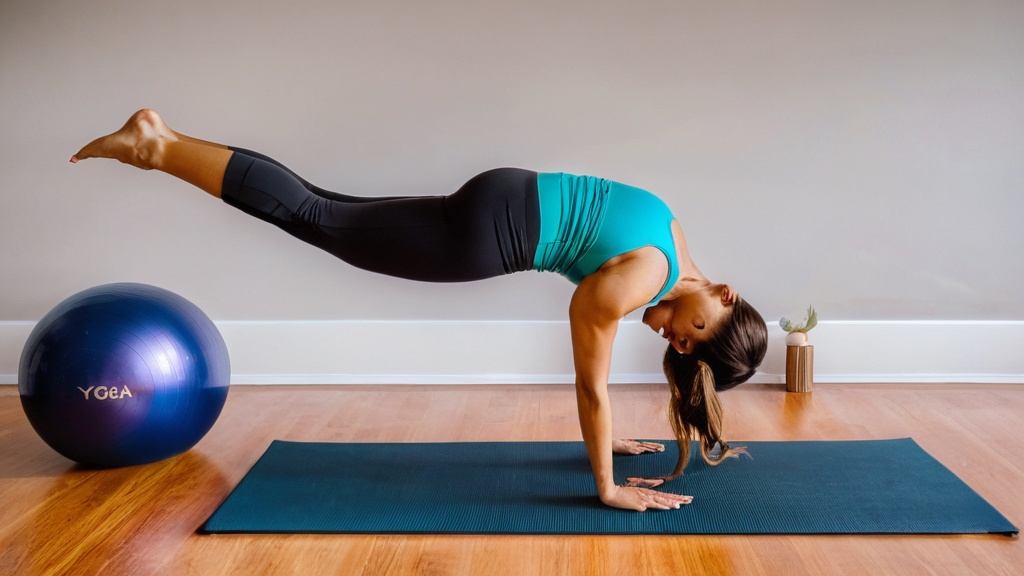
Another highly recommended prop for beginners is a yoga strap, often referred to as a yoga belt or tie. This long, durable band is surprisingly useful for improving your flexibility, deepening your understanding of alignment, and helping you ease into poses that might otherwise feel out of reach. It’s a tool that encourages patience and precision in your practice.
Deepening Your Stretches
The primary function of a strap is to extend your reach and allow you to deepen stretches safely.
- Leg Stretches: In poses like a seated forward bend (Paschimottanasana) or a reclined hand-to-big-toe pose (Supta Padangusthasana), you can loop a strap around your foot. Holding onto the ends of the strap allows you to gently draw your leg towards you, deepening the hamstring stretch without the need to fully grasp your foot. This prevents rounding of the back and encourages proper spinal extension.
- Shoulder and Chest Opening: In poses where you might reach for your hands behind your back, such as bound side angle pose (Baddha Parsvakonasana), a strap can connect your hands if they aren’t yet able to touch. This helps you work on opening the chest and shoulders without forcing the position.
Improving Alignment
A strap can act as a guide, helping you find the correct anatomical alignment in various poses.
- Maintaining Space: In poses where you need to keep a specific distance between body parts, like in some arm balances or inversions to come, a strap can help you maintain that engagement. For instance, placing a strap between your thighs in some poses can help you establish an inner thigh connection.
- Finding Symmetry: If you tend to favor one side of your body, a strap can help you feel a sense of symmetry and balance across both sides. For example, in a standing pose, you might use a strap to ensure your hips are evenly aligned.
Ease into Poses
The strap can be a gateway to poses you might think are beyond your current capabilities.
- Gentle Progression: Instead of forcing yourself into a pose and risking injury, using a strap allows you to gradually work towards the full expression of the posture. It provides support and a gentle pull, enabling your muscles to lengthen and adapt over time.
- Building Confidence: By successfully using a strap to achieve a closer approximation of a pose, you build confidence and a deeper understanding of how the pose should feel, preparing you for when you no longer need the prop.
Comfortable and Functional Clothing Choices
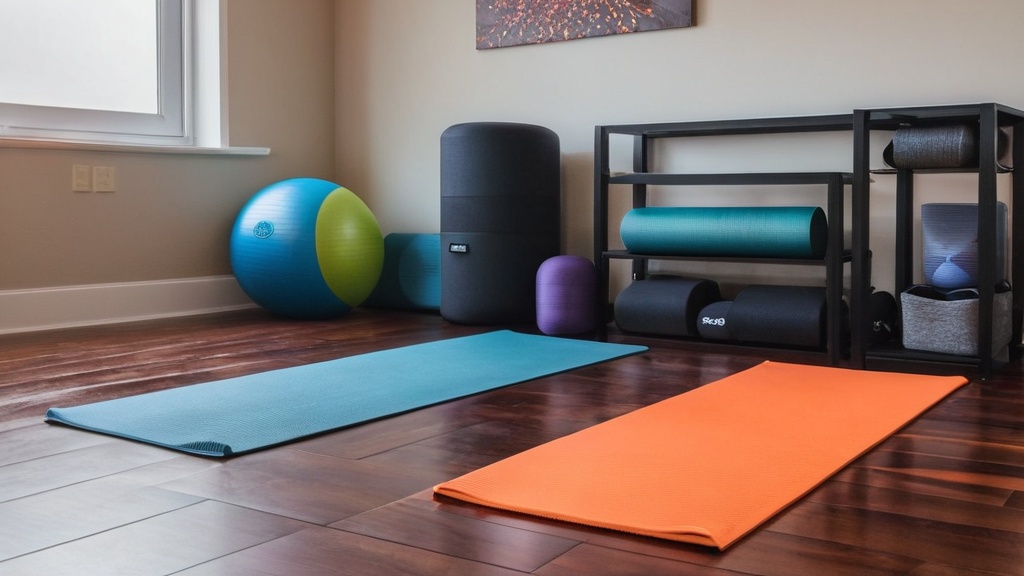
While you might not think of it as “equipment” in the same way as a mat or blocks, the clothing you wear for your yoga practice plays a significant role in your comfort and ability to move freely. What you wear should facilitate your practice, not hinder it. You want clothing that allows for unrestricted movement, wicks away sweat, and feels good against your skin. The focus is on practicality and ease.
Freedom of Movement
Yoga involves a wide range of motion, from deep stretches to inversions. Your clothing should not restrict these movements.
- Stretchy Fabrics: Look for materials that have a good amount of stretch, such as those made with spandex or elastane. This allows your clothes to move with your body, rather than pulling or binding.
- Fit is Key: You want a fit that is neither too tight nor too loose. Leggings or form-fitting yoga pants are ideal, as they stay in place and won’t ride up or get in your way. Loose-fitting tops are fine as long as they are not so baggy that they obscure your form or fall over your head in forward folds. Tank tops or t-shirts made from breathable, stretchy material are excellent choices.
Breathable and Moisture-Wicking Materials
You will likely generate heat and sweat during your yoga practice, especially as you build strength and stamina. Wearing breathable, moisture-wicking fabrics will help keep you comfortable.
- Natural Fibers: Cotton can be comfortable for gentle practices, but it tends to absorb moisture and can become heavy and clingy when you sweat. However, some lighter cotton blends might work well for you.
- Synthetic Blends: Many modern activewear fabrics are designed to wick moisture away from your skin and allow it to evaporate. These blends often provide a good combination of breathability, stretch, and durability.
Layering for Versatility
Consider layering your clothing, especially if you practice in a cooler environment or if your practice includes periods of stillness.
- Warm-Up: A light sweatshirt or hoodie can be useful for warming up before you begin your practice, or for covering up afterwards.
- Cool Down: A slightly warmer layer can be comforting during savasana (final relaxation) if the room temperature drops.
Avoiding Distractions
Ultimately, your clothing should allow you to focus entirely on your practice. Avoid anything that is too fussy, has numerous straps or buttons that might dig in, or that you might find yourself constantly adjusting. Simplicity and comfort are your prime considerations.
Optional but Beneficial Extras
| Equipment | Description |
|---|---|
| Yoga Mat | A non-slip, cushioned mat to provide support and stability during yoga poses and exercises. |
| Yoga Blocks | Foam or wooden blocks used to provide support and stability for certain yoga poses. |
| Yoga Strap | A flexible strap used to improve flexibility and assist with reaching certain yoga poses. |
| Yoga Bolster | A firm pillow-like prop used to provide support and comfort during restorative yoga poses. |
| Yoga Blanket | A soft, versatile blanket used for added comfort and support during yoga practice. |
Beyond the fundamental items—your mat, blocks, and strap—there are a few other pieces of equipment that can greatly enhance your comfort and support your practice, particularly as you explore different styles of yoga or seek deeper relaxation. These are not strictly necessary to begin, but they can enrich your experience.
Bolsters for Restorative Support
A bolster is a firm, cylindrical or rectangular cushion that provides excellent support for the body. They are especially valuable in restorative yoga, a practice focused on deep relaxation and healing.
- Relaxing Poses: In poses like supported bridge pose (Setu Bandhasana) or supported reclined bound angle pose (Supta Baddha Konasana), a bolster placed under your back or hips can allow your body to fully release and relax into the pose without engaging muscles.
- Comfort and Accessibility: Even if you are not practicing restorative yoga, a bolster can add a degree of comfort to certain poses, making them more accessible and allowing you to hold them for longer periods.
Blankets for Warmth and Cushioning
Yoga blankets are soft, usually wool or cotton, and serve multiple practical purposes.
- Warmth During Savasana: Often, as your body cools down during savasana, you might feel a chill. A blanket draped over you can provide soothing warmth and promote deeper relaxation.
- Extra Cushioning: If you find the floor or your mat uncomfortable for seated poses, you can fold a blanket to provide extra padding under your sit bones or knees.
- Support: In some poses, a folded blanket can be used to support specific body parts, similar to how blocks might be used, offering a softer form of elevation or support.
Meditation Cushions for Seated Stillness
If you are interested in developing a meditation practice alongside your yoga, a meditation cushion, often called a zafu, can be a worthwhile addition.
- Proper Posture: These cushions are designed to help you sit comfortably with an upright spine, which is important for sustained meditation. They elevate your hips, allowing your knees to drop below them, releasing tension in the lower back.
- Comfort for Extended Sitting: Sitting on a firmer cushion for longer periods can be more comfortable than sitting directly on the floor or a regular pillow, helping you to focus your attention inward.
Exploring Specialty Props and Travel-Friendly Options
As you become more established in your practice and perhaps explore different yoga styles, you might encounter or become interested in more specialized props. While these are generally not considered essential for beginners, understanding their purpose can broaden your knowledge of the possibilities within yoga.
Yoga Wheels for Backbends
A yoga wheel is a curved, circular prop, typically made of plastic or foam with a grippy exterior. It is primarily used to deepen backbending poses.
- Assisted Backbends: The wheel can be placed behind your back, allowing you to lean into it and gently open your chest and shoulders. It offers support and encourages a deeper range of motion in the thoracic spine.
- For More Experienced Practitioners: While intriguing, a yoga wheel requires a good foundation in flexibility and strength, especially in the shoulders and spine. It’s usually something you might explore after you have built a solid practice with the more basic props.
Travel Mats for Practice on the Go
For those who travel frequently or attend yoga classes where mats are provided but you prefer your own, a travel yoga mat can be a convenient option.
- Lightweight and Foldable: These mats are designed to be lightweight and often foldable, making them easy to pack in a suitcase or attach to a travel bag.
- Reduced Cushioning: To achieve their portability, travel mats are typically thinner than standard mats, meaning they offer less cushioning. This is a trade-off for their convenience. You might consider using one over a provided studio mat for grip and hygiene.
Remember, the most important aspect of owning yoga equipment as a beginner is that it supports your practice, promotes safety, and helps you feel more connected to each pose. Start with the essentials, and you will find your practice can flourish beautifully.
FAQs
What are the essential equipment needed to start yoga?
The essential equipment needed to start yoga includes a yoga mat, comfortable clothing, and a water bottle. These items will provide the necessary support, comfort, and hydration during yoga practice.
Do I need to invest in a high-quality yoga mat?
Investing in a high-quality yoga mat is recommended as it provides better cushioning, grip, and durability. A good yoga mat can enhance your practice and prevent injuries.
Are there specific clothing requirements for practicing yoga?
While there are no strict clothing requirements for practicing yoga, it is recommended to wear comfortable, breathable, and stretchable clothing that allows for ease of movement and flexibility during yoga poses.
What other optional equipment can enhance my yoga practice?
Optional equipment that can enhance your yoga practice includes yoga blocks, straps, and bolsters for support and alignment, as well as yoga towels for sweat absorption and hygiene.
Can I practice yoga without any equipment?
While having the essential equipment can enhance your yoga practice, it is possible to practice yoga without any equipment. Many yoga poses can be done using just your body and a flat surface. However, having a yoga mat can provide comfort and support during practice.