
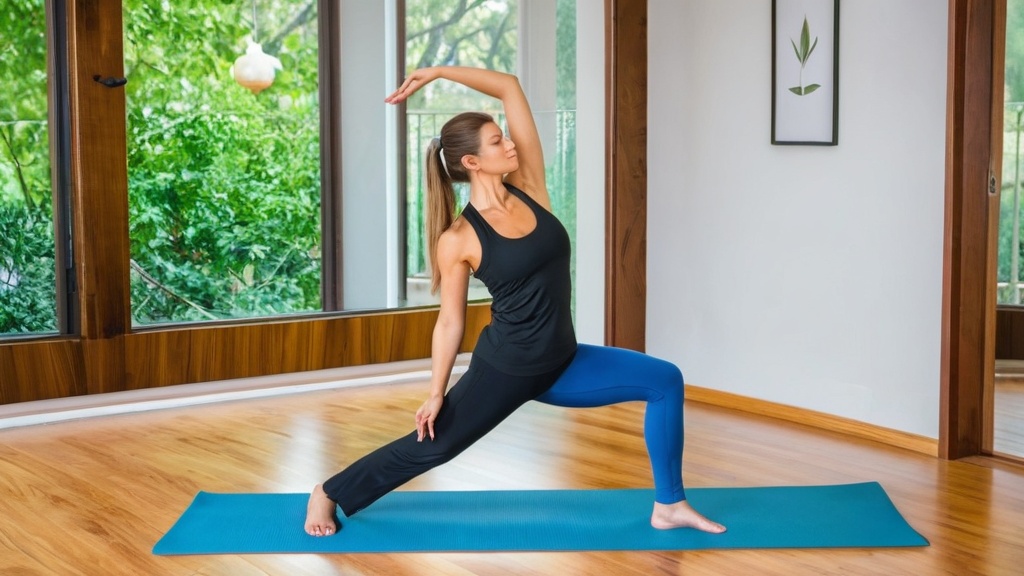
You are curious about yoga. Many different forms exist, and you may wonder which one suits you best. Finding your starting point in yoga becomes much easier when you understand the various styles. Every practice offers something unique. You can discover a style aligning with your goals, whether you seek physical challenge, mental calm, or both. You will learn about popular yoga forms, helping you choose where to begin your own experience.
Yoga offers many benefits. You can improve flexibility, strength, and balance. It can reduce stress and promote mental clarity. Selecting a starting point is important. Some traditions are more physically demanding, while others focus on deep relaxation. You need to consider what you hope to gain from your practice. Your physical condition and personal preferences play a large role.
Why Finding the Right Style Matters
A good fit makes your early yoga experiences positive. You are more likely to continue with a practice you enjoy and that meets your needs. If you start with a style too difficult, you might feel discouraged. If you begin with a style too slow for your energy levels, you might lose interest. You want to feel challenged appropriately, not overwhelmed or bored. Learning about different options helps you make an informed choice. It points you toward a fulfilling start.
What to Look for in a Beginner-Friendly Class
Look for classes emphasizing fundamental principles. You want clear instructions on basic poses. A focus on proper alignment is key to preventing injury and building a strong foundation. Teachers should offer modifications, allowing you to adapt poses to your body’s current capabilities. A slower pace gives you time to understand movements and breathing techniques. You will feel more comfortable and confident when you receive ample guidance.
Hatha Yoga: A Gentle Introduction
Hatha Yoga is often praised as an ideal starting point for many individuals new to yoga. It covers foundational poses and principles without overwhelming you with speed or complexity. You learn to connect movement with your breath, a core concept in all yoga. The pace is typically slower, giving you plenty of time to learn and adjust.
The Philosophy of Hatha Yoga
The term “Hatha” itself refers to a broad category of physical practices within yoga. You might find it surprising, but many modern yoga styles stem from Hatha traditions. However, when a class is simply called “Hatha Yoga,” it usually signifies a gentler, more introductory approach. It emphasizes holding poses for several breaths, focusing on static postures rather than flowing sequences. You cultivate strength, flexibility, and concentration. You also develop body awareness, understanding how different poses affect you.
What to Expect in a Hatha Class
In a typical Hatha class, you will work through a series of foundational postures. Expect to hold each pose for a longer duration compared to faster-paced styles. The teacher will provide detailed instructions on alignment. They will guide you through breathing exercises (pranayama) and often include a period of relaxation (savasana) at the end. You will find yourself gradually building strength and flexibility. You will also calm your mind. This style is excellent for understanding your body and how yoga works.
Vinyasa / Flow Yoga: Synchronizing Breath and Movement
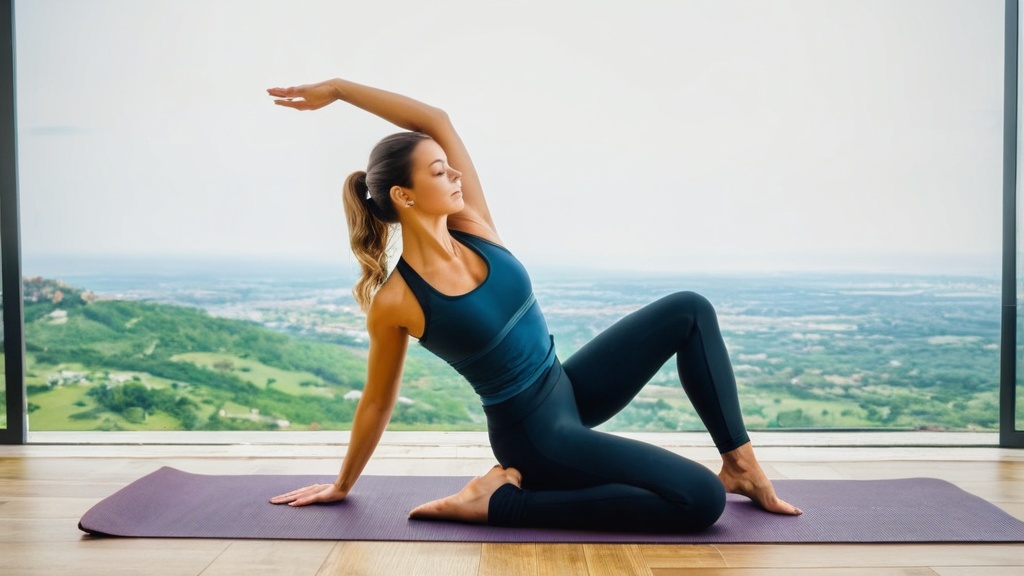
Once you have a grasp of basic poses, Vinyasa or Flow Yoga offers a dynamic progression. This style links individual poses together in a continuous sequence, synchronized with your breath. You transition smoothly from one posture to the next. The rhythm of your breath guides your movements. Each class can be different, as instructors often design unique sequences.
The Essence of Vinyasa
Vinyasa means “to place in a special way,” referring to the intelligent sequencing of poses. You will experience a fluid progression through various postures. The focus is on the seamless connection between inhale and exhale and movement. One breath, one movement. This creates a moving meditation, keeping you present and focused. You build heat within your body, increasing flexibility and strength. It is a more active form of yoga.
Class Structure and Benefits
A Vinyasa class typically begins with a warm-up, moves into standing and seated poses, and often includes some inversions or arm balances. It culminates in a cool-down and final relaxation. Because sequences can vary widely, you will rarely experience the same class twice. You will improve your cardiovascular health, stamina, and muscular strength. You will also refine your coordination and concentration. Vinyasa is wonderful for those seeking a more energetic practice after learning foundational poses.
Restorative Yoga: Deep Relaxation and Healing
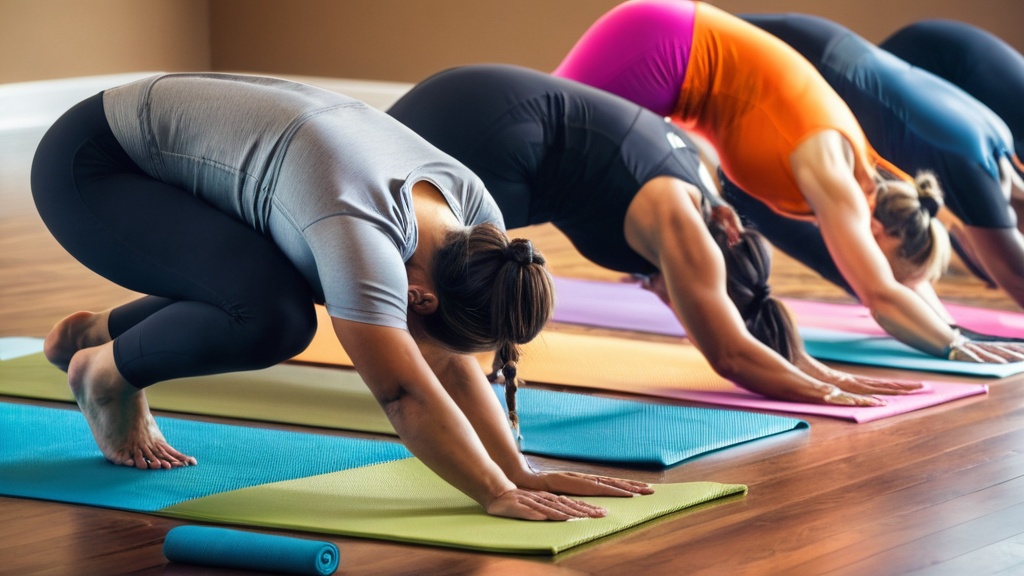
Perhaps you are looking for relaxation and recovery. Restorative Yoga is perfect for you. It uses props to support your body in gentle, passive stretches. The goal is to achieve deep relaxation and release tension without much physical effort. You hold poses for extended periods, allowing your body to soften and your mind to quiet.
The Role of Props
Bolsters, blankets, blocks, and eye pillows are your friends in Restorative Yoga. You use these props to fully support your body in each pose. This support helps you relax completely. You do not need to use your muscles to hold yourself up. Instead, you can surrender to the support and let go of physical and mental tension. You might use a bolster under your back for a gentle chest opening or blankets to cushion your body in a forward fold. The props create comfort and facilitate deep release.
A Practice for Recovery and Stress Relief
Restorative Yoga is ideal for individuals recovering from illness or injury, experiencing high stress levels, or simply needing a break from a busy life. You will find your nervous system calms down. Your body has a chance to repair and rejuvenate. The long holds, often 5-20 minutes per pose, cue your body into a “rest and digest” state. You leave feeling refreshed, grounded, and deeply relaxed.
Yin Yoga: Targeting Deeper Tissues
| Yoga Style | Description |
|---|---|
| Hatha Yoga | A gentle introduction to the most basic yoga postures. |
| Vinyasa Yoga | A series of poses that flow smoothly into one another. |
| Ashtanga Yoga | A physically demanding style that follows a specific sequence of postures. |
| Bikram Yoga | A series of 26 challenging poses practiced in a room heated to a high temperature. |
| Yin Yoga | A slow-paced style with poses that are held for longer periods of time. |
Yin Yoga is a contrasting practice to more active styles. You hold poses for much longer durations, typically 3-5 minutes, sometimes even longer. The unique aspect of Yin is its focus on the connective tissues of your body: ligaments, joints, bones, and fascia. You work with gravity and stillness to gently stress these tissues.
Understanding Yin’s Approach
Most yoga styles focus on lengthening muscles. Yin Yoga goes deeper. You apply gentle, sustained pressure to particular areas. You aim to target the deeper connective tissues. This approach increases flexibility and improves joint mobility. You find acceptance of stillness and sensation. The practice can be meditative, as you remain in passive poses for extended periods. You learn to observe sensations without reacting.
Benefits for Body and Mind
Yin Yoga can feel challenging, not because of physical exertion, but because of the required stillness and patience. It can be a powerful practice for increasing your range of motion. It can help release tension stored deep within your body. The meditative aspect promotes mental calm and introspection. You cultivate patience and surrender. You might find it helps you sit more comfortably in meditation or other activities. Yin complements more dynamic practices well, creating balance in your physical and mental conditioning.
Specialized Beginner Classes and Beyond
Many studios offer specific “Beginner Yoga” or “Foundational Yoga” classes. You should consider these as excellent starting points. They break down poses, breathing, and modifications step by step. They are designed to build your confidence and knowledge. Once you feel comfortable with basic principles, you can explore other styles.
The Advantage of Beginner-Specific Classes
Instructors in beginner classes know you are new to yoga. They explain concepts in detail. They watch your alignment very closely. You receive more feedback and individual attention. You learn how to use props effectively. Building a solid understanding of fundamental poses and breathing techniques right away helps prevent poor habits later. It makes your transition to other styles much easier. Start here for the most supportive experience.
Styles to Approach Gradually
Some yoga styles are very intense or require a sound understanding of basic poses. Ashtanga, Bikram/Hot Yoga, and very fast-paced Vinyasa classes fall into this category. Ashtanga follows a fixed sequence of poses building in difficulty. It is physically demanding. Bikram and Hot Yoga are practiced in heated rooms, which can be challenging for beginners. The heat might cause lightheadedness or fatigue if you are not accustomed to it. Fast-paced Vinyasa requires strength and familiarity with many poses to keep up. You will enjoy these practices more once you have established a regular, foundational yoga practice. You can then try them when you feel ready for a greater physical challenge.
You have many wonderful options for beginning your yoga experience. Consider starting with Hatha Yoga or a dedicated “Beginner’s Yoga” class. Explore Restorative or Yin Yoga if deep relaxation or flexibility in connective tissues appeals to you. Once confident, you can move towards Vinyasa. You can build a practice that supports you physically and mentally. Your yoga path begins with your first informed choice.
FAQs
What are the different styles of yoga for beginners?
There are several styles of yoga suitable for beginners, including Hatha, Vinyasa, and Yin yoga. Each style offers a different focus and pace, allowing beginners to find the practice that best suits their needs.
What is Hatha yoga and how is it beneficial for beginners?
Hatha yoga is a gentle and slow-paced practice that focuses on basic yoga poses and breathing techniques. It is beneficial for beginners as it helps build a strong foundation and improves flexibility, strength, and balance.
What is Vinyasa yoga and how is it beneficial for beginners?
Vinyasa yoga is a more dynamic and flowing style that links breath with movement. It is beneficial for beginners as it helps improve cardiovascular health, endurance, and overall body strength while also providing a sense of relaxation and stress relief.
What is Yin yoga and how is it beneficial for beginners?
Yin yoga is a slow-paced practice that focuses on holding passive poses for longer periods, targeting the connective tissues and promoting flexibility and relaxation. It is beneficial for beginners as it helps release tension, improve joint mobility, and cultivate mindfulness.
How can beginners choose the right yoga style for them?
Beginners can choose the right yoga style for them by considering their fitness level, goals, and preferences. It’s important to try different styles and classes to find the one that resonates with them and supports their physical and mental well-being.