
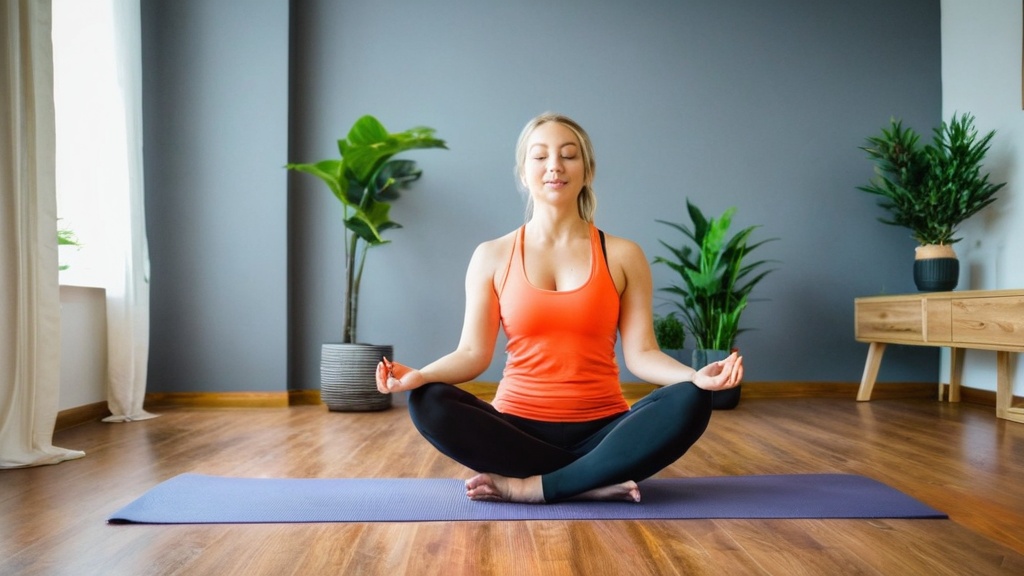
Your yoga exploration begins with a question of frequency: how often should you step onto your mat as a novice? Finding that sweet spot is key to building a sustainable and rewarding practice. You might feel eager to experience all the benefits yoga promises, but starting too intensely could lead to frustration or injury. Your body and mind need time to adapt.
Before you decide on a number, reflect on your current physical condition and your lifestyle. Are you accustomed to regular exercise, or is this a completely new avenue for movement? Your past experiences with physical activity will inform how your body responds to new demands. Consider your energy levels and your stress load outside of yoga. A demanding job or family responsibilities might mean a less frequent schedule is more realistic. You don’t need to be an athlete to start yoga, but an honest assessment of your current state will help you set achievable goals. Think about what your body is telling you and what feels manageable for your routine.
Assessing Your Physical Readiness
You can assess your physical readiness by observing how your body feels after moderate activity. If you currently engage in other forms of exercise, you likely have a greater tolerance for increased physical demand. If you’re new to movement, your body will need more time to adjust to the new stresses of yoga postures. Do you experience stiffness or muscle soreness easily? This doesn’t mean you can’t do yoga, but it suggests you should begin with gentler, shorter sessions. You might want to try a few introductory classes or online videos to gauge your immediate reaction. Pay attention to any discomfort beyond normal muscle fatigue.
Honing Your Lifestyle Integration
Your lifestyle plays a significant role in determining a practical yoga frequency. Look at your weekly schedule. Where can you realistically carve out time for your practice? Are you a morning person who can rise early for an afternoon or evening session? Or do your days fill up quickly, making a short morning routine your only option? You might find that fitting in fitness on weekends naturally. Consider your commute, work hours, and family commitments. A realistic integration is far more effective than an aspirational one that you can’t maintain.
The Foundation: Two to Three Sessions Weekly
For many newcomers, a rhythm of two to three yoga sessions per week forms a solid foundation. This frequency allows you to consistently engage with the practice without overwhelming your system. You’ll have enough exposure to begin learning the poses and understanding the flow of movement. The gaps between sessions provide your body with adequate time for recovery and adaptation. This structured approach helps build both physical stamina and mental preparedness for more challenging sequences. You’ll notice the subtle shifts in your flexibility and strength over time.
Building Consistency Through Regularity
Consistency is the bedrock of any successful yoga practice, especially when you’re just starting out. Committing to two or three sessions each week helps ingrain yoga into your routine. It’s like watering a plant; regular attention yields healthier growth. You’ll find that returning to your mat regularly makes each subsequent session feel more familiar and less daunting. This regularity fosters a sense of accomplishment and encourages you to keep going. You’re not just aiming for a single, perfect practice; you’re building a habit that supports your overall well-being.
Finding the Sweet Spot for Progress
Three sessions per week often emerges as a strong “sweet spot” for beginners. This frequency strikes a balance that promotes habit formation, allows for effective learning of postures, and fosters steady physical and mental progress. You gain enough repetition to start remembering sequences and feeling more comfortable in various poses. The increased exposure helps your muscles and connective tissues adapt, leading to improved flexibility and balance. It also provides ample opportunity to practice breathwork and relaxation techniques, which are integral to the yoga experience. This consistent rhythm can lead to noticeable improvements in your mood and stress levels.
A Gentler Entrance: One to Two Classes Per Week
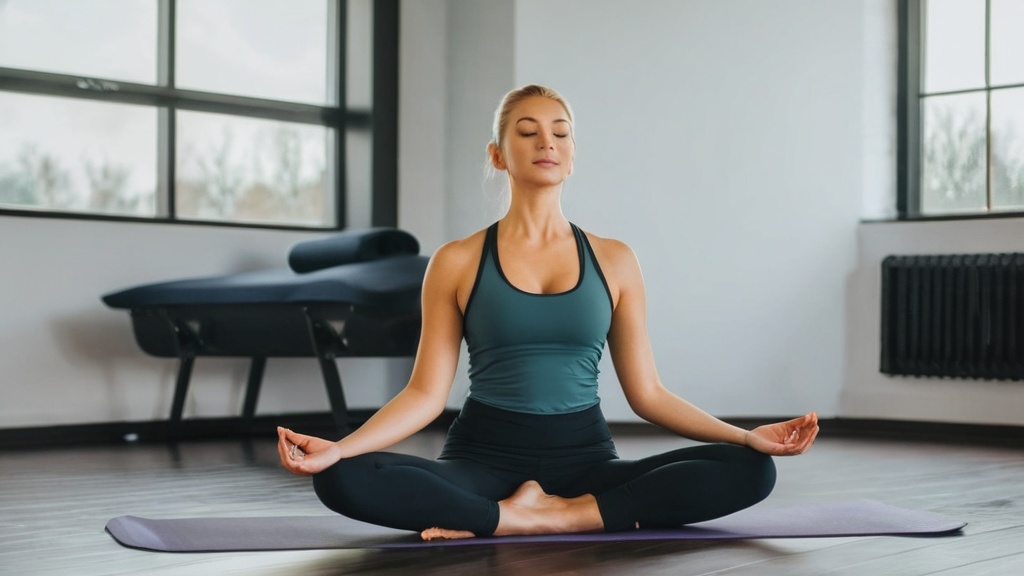
Perhaps you’re feeling a little hesitant or you have a very demanding schedule. In such cases, starting with one to two classes per week is perfectly acceptable. This approach offers a more gradual introduction and can be particularly beneficial if you’re very new to any form of physical activity or if you’re managing a health condition that requires careful attention. The goal here is to simply get started and experience the practice without pressure. Even one session a week can introduce you to the fundamental movements and the calming effects of yoga.
Gradual Acclimation for New Practitioners
Starting with one or two sessions gives your body time to adjust to new movements and breathing patterns. You’re not pushing yourself to recover quickly from intense exertion. Instead, you’re easing into it, allowing your muscles to lengthen and your joints to open up gradually. This slower pace helps prevent undue stress and allows you to focus on proper alignment and form. You’ll learn to listen to your body’s feedback more effectively. It’s about feeling comfortable and confident on your mat.
Managing Demands with a Lighter Schedule
If your week is packed with work, family, and social obligations, a lighter schedule of one to two yoga sessions may be the only feasible option. Don’t let this discourage you. You can still reap many of the benefits of yoga. Focus on the quality of your practice during those sessions. Choose classes that resonate with you and make them a priority. You might find that even these fewer sessions provide a much-needed respite from your daily pressures and contribute positively to your sense of calm and focus.
The Power of Short, Daily Practices
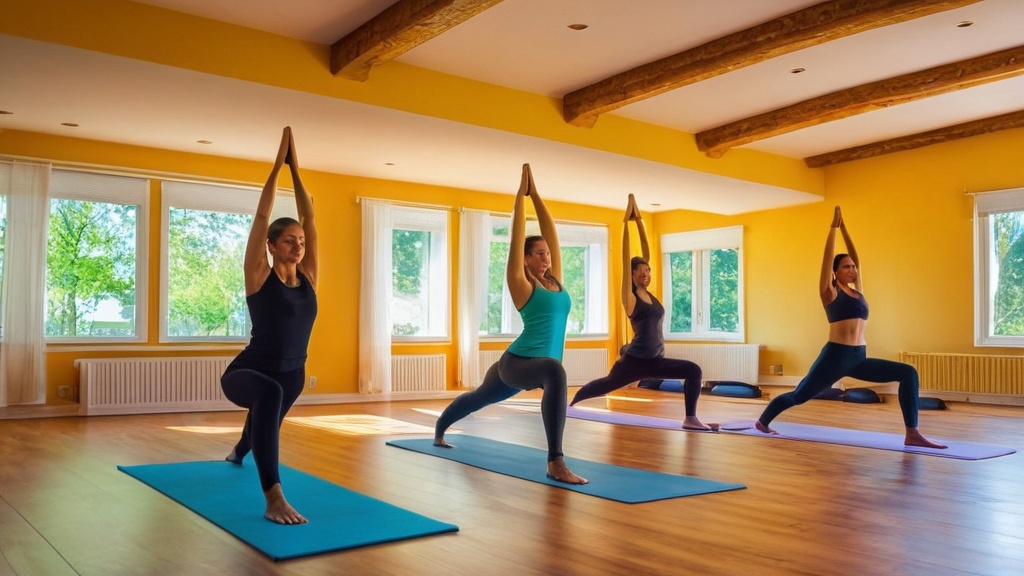
You might wonder if daily yoga is only for advanced practitioners. The truth is, daily yoga can work wonderfully for beginners if it’s very short and gentle. Think of these as mini-practices, perhaps lasting between five and fifteen minutes. These brief sessions could focus purely on stretching, simple breathing exercises, or a few moments of meditation. You’re not trying to build sweat or achieve complex poses. Instead, you’re cultivating a daily connection with your body and breath. This can be incredibly powerful for establishing a consistent habit and promoting a sense of mindful presence.
Cultivating a Daily Mindfulness Routine
A brief daily practice, even just five minutes, can establish a profound sense of mindfulness. You set aside a small block of time each day to be present with yourself. This might involve simply sitting and observing your breath, or it could be a few gentle stretches like Cat-Cow or Downward-Facing Dog. The act of showing up for yourself daily, even for a short duration, begins to build a new habit and a new relationship with your own well-being. It’s about consistency and intention.
Gentle Movements for Daily Well-being
For beginners, short daily practices can be focused entirely on gentle movements. You might spend a few minutes releasing tension in your neck and shoulders or gently stretching your hamstrings. These aren’t about pushing your limits but about caring for your body. A few sun salutations, done slowly and mindfully, can also serve as a beneficial daily ritual. Such short, gentle sessions are excellent for improving circulation, reducing stiffness, and promoting a sense of ease throughout your day. They complement longer, more active practices beautifully.
The Research-Backed Minimum Effective Dose
| Frequency | Description |
|---|---|
| 1-2 times per week | Beginners can start with practicing yoga 1-2 times per week to build a consistent routine and gradually improve flexibility and strength. |
| 3-4 times per week | Increasing the frequency to 3-4 times per week can help beginners progress faster and experience more benefits such as stress reduction and mental clarity. |
| 5-7 times per week | For those looking for faster progress and deeper immersion into yoga, practicing 5-7 times per week can be beneficial, but it’s important to listen to the body and avoid overexertion. |
Scientific inquiry has explored the optimal frequency for yoga practice to yield tangible benefits. Research suggests that a minimum effective dose involves about two to three sessions weekly, each lasting between forty-five and sixty minutes. These sessions typically integrate poses, breathwork, and relaxation techniques. Adhering to this frequency can lead to improvements in flexibility, reductions in stress and anxiety, better sleep quality, and enhanced overall fitness. This approach provides enough stimulus for adaptation and recovery, allowing your body and mind to benefit comprehensively from the practice.
Integrating Poses, Breath, and Relaxation
A well-rounded yoga session for beginners often includes a combination of physical postures (asanas), controlled breathing techniques (pranayama), and moments of relaxation. This synergy is what makes yoga so effective. You might start with gentle movements to warm up, move into standing or seated poses, and then conclude with a period of rest, such as Savasana. Incorporating breathwork throughout your practice helps to focus your mind and oxygenate your body. The relaxation phase allows your system to absorb the benefits of the practice.
Seeing Improvements in Flexibility and Stress Relief
Committing to the research-backed minimum of two to three sessions per week can yield noticeable improvements. You might find that everyday movements become easier, and you experience less stiffness. The consistent practice of breath control and mindful movement often leads to a calmer nervous system, decreasing feelings of stress and anxiety. Many beginners report improved sleep patterns and a greater sense of overall ease after establishing this frequency.
When Health Conditions Influence Frequency
If you are managing a specific health condition, your approach to yoga frequency might need to be adjusted. Some evidence suggests that in certain cases, more frequent practice, perhaps around five days a week, might offer benefits. However, it’s absolutely vital to understand that the “ideal dose” in these situations is highly individualized. You must consult with your healthcare provider and a qualified yoga instructor who has experience working with your condition before increasing your practice frequency. They can help you determine a safe and effective plan.
Consulting Healthcare Professionals for Guidance
Before you make any significant changes to your yoga practice, especially if you have a health condition, you must speak with your doctor. They can advise you on what types of yoga are appropriate and what frequency is safe for your specific circumstances. They can also ensure that your yoga practice complements any other treatments you are undergoing. This consultation is a critical step in protecting your health and maximizing the benefits of yoga.
Working with an Experienced Instructor
A yoga instructor with experience in therapeutic yoga or with specific populations can provide invaluable guidance. They can help modify poses to suit your needs, suggest appropriate breathing techniques, and monitor your progress. They will understand how to pace your practice and how to listen to your body’s signals. Your instructor can become a partner in your wellness journey, helping you find a frequency and intensity that supports your health goals safely.
Consistency: The True Measure of Success
Ultimately, the most important factor in your yoga practice as a beginner is consistency, not necessarily intensity. A sustainable routine that you can maintain over time will yield far greater rewards than sporadic, overly ambitious efforts. It’s better to practice for twenty minutes three times a week than to do an hour-long session once every two weeks and then feel exhausted and discouraged. Focus on building a habit that feels good and that you look forward to. Your body and mind will thank you for it.
Sustainability Over Intensity for Long-Term Gains
You are building a practice for the long haul. Think about what you can realistically commit to week after week, month after month. If you push yourself too hard at the beginning, you risk burnout, injury, or simply losing motivation. A sustainable practice means finding a frequency and duration that fits into your life without becoming another source of stress. This calm, consistent approach allows your body to adapt gradually and your mind to build a genuine connection with yoga.
The Ripple Effect of Regular Engagement
Your regular engagement with yoga creates a positive ripple effect throughout your life. Each session, no matter how short or gentle, contributes to your overall well-being. On a physical level, you gain flexibility, strength, and better posture. Mentally, you cultivate a greater sense of calm, focus, and resilience. Emotions become more balanced. This consistent effort builds momentum, making it easier to approach your practice each day and to carry the benefits of yoga off your mat and into your everyday interactions.
FAQs
1. What is the recommended frequency for beginners to practice yoga?
The recommended frequency for beginners to practice yoga is 2-3 times per week. This allows for consistent practice and gradual improvement without overwhelming the body.
2. How long should beginners practice yoga during each session?
Beginners should aim for 30-60 minute yoga sessions. This duration allows for a good balance of learning and practicing different poses, while also giving the body enough time to build strength and flexibility.
3. Is it beneficial for beginners to practice yoga every day?
While it is possible for beginners to practice yoga every day, it is generally recommended to have rest days in between sessions to allow the body to recover. Overdoing it can lead to burnout and potential injury.
4. What are the benefits of consistent yoga practice for beginners?
Consistent yoga practice for beginners can lead to improved flexibility, strength, balance, and mental well-being. It can also help in reducing stress and anxiety, and improving overall physical and mental health.
5. How can beginners stay motivated to practice yoga regularly?
Beginners can stay motivated to practice yoga regularly by setting realistic goals, finding a supportive community or instructor, and varying their practice with different styles and poses. It’s also important to listen to the body and practice self-compassion.