

Feng Shui and Vastu Shastra are ancient practices rooted in the belief that the arrangement of your environment can significantly influence your life. Feng Shui, originating from China, emphasizes the flow of energy, or “Chi,” in your surroundings. It teaches you how to harness this energy to create a harmonious living space that promotes well-being and prosperity. On the other hand, Vastu Shastra hails from India and focuses on the architectural design and spatial arrangement of buildings. It is based on the principles of nature and aims to align your home with the natural elements to enhance your life.
As you delve deeper into these practices, you will discover that both Feng Shui and Vastu Shastra share a common goal: to create a balanced environment that nurtures your physical, emotional, and spiritual well-being. While they may differ in their methodologies and cultural contexts, the underlying principles remain similar. Understanding these philosophies can empower you to make informed decisions about your living space, ultimately leading to a more fulfilling life.
Key Takeaways
- Understanding Feng Shui and Vastu Shastra:
- Feng Shui is a Chinese practice that focuses on creating harmony and balance in living spaces.
- Vastu Shastra is an ancient Indian science that emphasizes the connection between humans and their environment.
- Applying Feng Shui and Vastu Shastra to Your Home:
- Both practices involve arranging furniture and decor to optimize energy flow and create a positive atmosphere.
- They also consider the placement of doors, windows, and other architectural elements for maximum benefit.
- The Five Elements and Their Importance in Feng Shui and Vastu Shastra:
- Both Feng Shui and Vastu Shastra incorporate the five elements – wood, fire, earth, metal, and water – to bring balance and harmony to a space.
- Each element is associated with specific colors, shapes, and materials that can be used to enhance the energy of a room.
- Creating Balance and Harmony in Your Living Spaces:
- Balance and harmony can be achieved by decluttering, using natural light, and incorporating plants and natural materials.
- The layout and organization of furniture and decor play a crucial role in creating a peaceful and harmonious environment.
- Using Feng Shui and Vastu Shastra to Improve Health and Well-being:
- Both practices emphasize the importance of a clean and organized living space for promoting physical and mental well-being.
- Proper ventilation, natural light, and the use of soothing colors can contribute to a healthy and balanced lifestyle.
Applying Feng Shui and Vastu Shastra to Your Home
When it comes to applying Feng Shui and Vastu Shastra in your home, the first step is to assess your current environment. You might want to start by evaluating the layout of your rooms, the placement of furniture, and the overall energy flow within your space. In Feng Shui, this often involves using a Bagua map, which helps you identify areas of your home that correspond to different aspects of your life, such as wealth, health, and relationships. By understanding these connections, you can make targeted changes that enhance specific areas of your life.
In Vastu Shastra, the orientation of your home plays a crucial role. You may want to consider the cardinal directions when designing or rearranging your space. For instance, placing your main entrance in the north or east can invite positive energy into your home. Additionally, ensuring that rooms are positioned according to their purpose—such as placing bedrooms in the southwest for stability—can further enhance the energy flow. By integrating these principles into your home design, you can create a sanctuary that supports your aspirations and well-being.
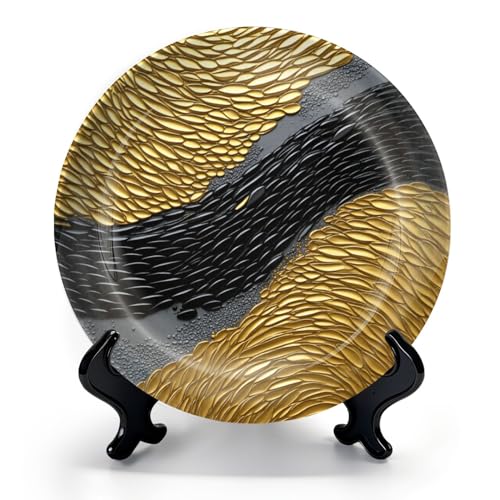
PORCELAIN PLATE DECORATION: Our plate ornament is made of ceramic, measuring 8 Inch in diameter. These decorative plates are printed in bright and beautiful colors that make up a lifelike work of art and are worth sharing with your friends and family, showing your personality.
PORCELAIN PLATE DECORATION: Our plate ornament is made of ceramic, measuring 10 Inch in diameter. These decorative plates are printed in bright and beautiful colors that make up a lifelike work of art and are worth sharing with your friends and family, showing your personality.

Product Size: Door stickers decor coming size: 15.15 x 78.7 in x 2 PCS, Finished size: 30.3 x 78.7 inches. Note: Before order this 3D door wallpaper, please measured the size of your door to ensure they will fit for your door.
The Five Elements and Their Importance in Feng Shui and Vastu Shastra

Both Feng Shui and Vastu Shastra emphasize the significance of the five elements: wood, fire, earth, metal, and water. Each element represents different qualities and energies that can influence your environment. In Feng Shui, these elements interact with one another through cycles of creation and destruction, which can either enhance or hinder the energy flow in your space. Understanding how to balance these elements is essential for creating a harmonious atmosphere.
You might find it helpful to incorporate these elements into your home decor consciously. For example, introducing wooden furniture or plants can enhance the wood element, promoting growth and vitality. Similarly, adding candles or warm colors can invoke the fire element, fostering passion and creativity. By thoughtfully integrating these elements into your living space, you can create a dynamic environment that resonates with your personal energy and aspirations.
Creating Balance and Harmony in Your Living Spaces

Creating balance and harmony in your living spaces is at the core of both Feng Shui and Vastu Shastra. You may want to start by decluttering your home, as excess clutter can obstruct the flow of energy and create feelings of chaos. By simplifying your surroundings, you allow positive energy to circulate freely, promoting a sense of calm and clarity.
In addition to decluttering, consider the arrangement of furniture and decor in each room. In Feng Shui, it is essential to create a sense of flow by arranging furniture in a way that encourages movement and interaction. You might want to avoid placing furniture in direct pathways or blocking doorways, as this can create stagnant energy. Similarly, Vastu Shastra emphasizes the importance of spatial arrangement; ensuring that rooms are well-lit and ventilated can enhance the overall energy of your home. By focusing on these aspects, you can cultivate an environment that feels balanced and harmonious.
Using Feng Shui and Vastu Shastra to Improve Health and Well-being
| Aspect | Feng Shui | Vastu Shastra |
|---|---|---|
| Origin | Chinese | Indian |
| Focus | Harmony and balance | Energy flow and direction |
| Elements | Wood, fire, earth, metal, water | Earth, water, fire, air, space |
| Application | Interior design and placement | Architecture and construction |
| Main goal | Enhance energy flow | Attract positive energy |
Your health and well-being are deeply influenced by your living environment. Both Feng Shui and Vastu Shastra offer valuable insights into how you can create a space that supports physical health and emotional well-being. For instance, in Feng Shui, it is believed that certain areas of your home correspond to different aspects of health. By enhancing these areas with appropriate colors, decor, or plants, you can promote healing and vitality.
In Vastu Shastra, the placement of rooms is crucial for maintaining good health. You may want to ensure that bedrooms are located in the right direction for restful sleep or that kitchens are positioned to allow for proper ventilation and light. Additionally, incorporating natural elements such as plants or water features can further enhance the positive energy in your home. By applying these principles thoughtfully, you can create an environment that nurtures both your physical health and emotional well-being.
Enhancing Relationships and Prosperity with Feng Shui and Vastu Shastra
Feng Shui and Vastu Shastra also provide tools for enhancing relationships and attracting prosperity into your life. In Feng Shui, the relationship corner of your home is often associated with love and partnerships. You might consider adding symbols of love—such as pairs of objects or romantic artwork—to this area to invite positive energy into your relationships.
Similarly, Vastu Shastra emphasizes the importance of creating spaces that foster connection and communication. You may want to arrange seating areas in a way that encourages conversation or ensure that dining spaces are inviting for family gatherings. Additionally, incorporating elements associated with abundance—such as mirrors or water features—can help attract prosperity into your life. By consciously designing your space with these principles in mind, you can cultivate an environment that supports healthy relationships and financial growth.
Incorporating Feng Shui and Vastu Shastra in Interior Design
Incorporating Feng Shui and Vastu Shastra into interior design allows you to create spaces that are not only aesthetically pleasing but also energetically supportive. You might start by selecting colors that resonate with specific energies; for example, soft blues can promote tranquility while vibrant reds can stimulate passion. Additionally, choosing furniture with rounded edges can enhance the flow of energy throughout your space.
When it comes to decor, consider incorporating symbols or artwork that reflect your intentions—whether it’s abundance, love, or health.
In Vastu Shastra, natural materials such as wood or stone are often favored for their grounding qualities.
You may also want to pay attention to lighting; natural light is essential for creating a vibrant atmosphere while also promoting positive energy flow. By thoughtfully integrating these elements into your interior design choices, you can create a space that feels both beautiful and energetically aligned with your goals.
Common Mistakes to Avoid when Applying Feng Shui and Vastu Shastra in Your Home
As you embark on your journey of applying Feng Shui and Vastu Shastra in your home, it’s essential to be aware of common mistakes that could hinder your progress. One frequent error is neglecting the importance of decluttering; holding onto unnecessary items can block positive energy from flowing freely throughout your space. Make it a priority to regularly assess what you truly need and let go of items that no longer serve you.
Another mistake is overlooking the significance of natural light and ventilation in both practices. Dark or poorly ventilated spaces can create stagnant energy that negatively impacts your mood and well-being. Ensure that windows are unobstructed and allow for ample natural light to enter your home. By avoiding these pitfalls and remaining mindful of the principles behind Feng Shui and Vastu Shastra, you can create a living environment that truly supports your aspirations for health, happiness, and prosperity.
In conclusion, understanding and applying Feng Shui and Vastu Shastra principles in your home can lead to profound changes in various aspects of your life. By creating balance, enhancing relationships, improving health, and incorporating these philosophies into interior design while avoiding common mistakes, you can cultivate a harmonious living space that resonates with positive energy. Embrace this journey as an opportunity for personal growth and transformation as you align your environment with your intentions for a fulfilling life.
FAQs
What is Feng Shui Vastu Shastra?
Feng Shui Vastu Shastra is a traditional Chinese and Indian practice that focuses on creating harmony and balance in the environment through the arrangement of objects and the use of specific design principles.
What are the key principles of Feng Shui Vastu Shastra?
The key principles of Feng Shui Vastu Shastra include the use of specific colors, materials, and symbols to create a harmonious and balanced environment. It also emphasizes the importance of proper placement of furniture and objects to optimize energy flow.
How does Feng Shui Vastu Shastra differ from traditional interior design?
Feng Shui Vastu Shastra differs from traditional interior design in that it focuses on the flow of energy, or “chi,” within a space, and how it affects the occupants’ well-being. Traditional interior design, on the other hand, primarily focuses on aesthetics and functionality.
What are the benefits of incorporating Feng Shui Vastu Shastra into a space?
Incorporating Feng Shui Vastu Shastra into a space can lead to improved energy flow, increased harmony, and a sense of well-being for the occupants. It can also enhance the overall aesthetics and functionality of the space.
How can one incorporate Feng Shui Vastu Shastra into their home or office?
One can incorporate Feng Shui Vastu Shastra into their home or office by using specific colors, materials, and symbols, as well as arranging furniture and objects according to the principles of energy flow and balance. Consulting with a Feng Shui Vastu Shastra expert can also provide guidance on incorporating these principles into a space.