
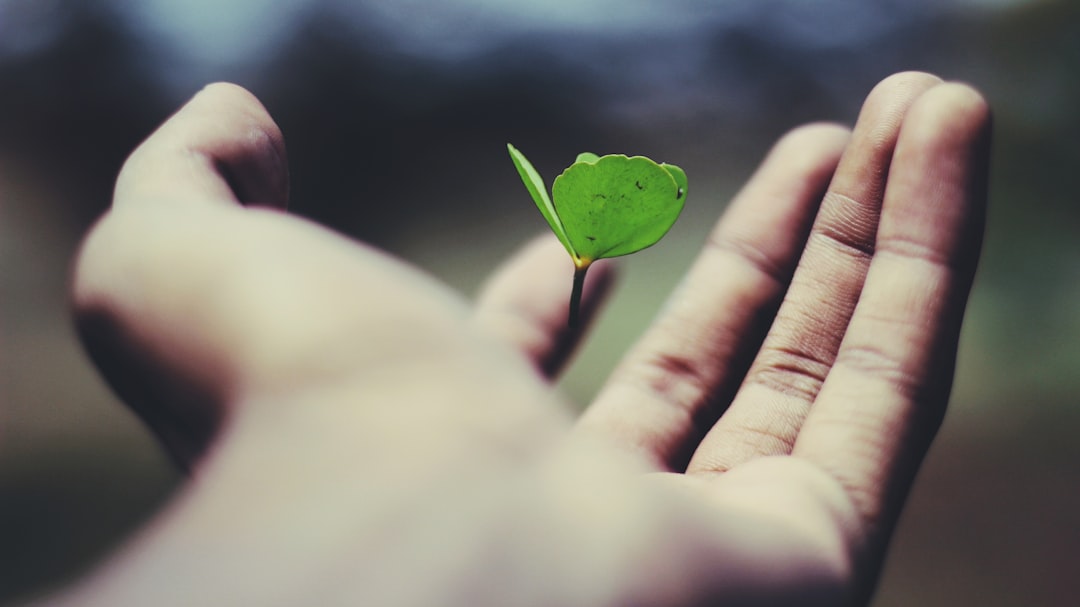
Self-growth, at its core, is the deliberate and ongoing process of improving yourself in various aspects of life, whether it’s your skills, knowledge, understanding of the world, emotional intelligence, or even physical well-being. It’s about becoming a better version of who you were yesterday, not about reaching some idealized, perfect state. Think of it as continually fine-tuning your internal operating system, making it more efficient, robust, and capable of handling life’s complexities. This isn’t a quick fix or a destination; it’s a journey of continuous learning and adaptation.
Before you can embark on a path of self-growth, it’s pretty helpful to figure out what that even means for you personally. What areas of your life feel a bit stuck, or where do you genuinely want to see some progress? This isn’t about what society expects, but what resonates with you.
Identifying Your Current State
Take a moment to honestly assess where you’re at right now. How do you feel about your career, relationships, health, or even your daily routines? This isn’t about judgment; it’s about observation. Are there recurring frustrations? Do you often feel unfulfilled in certain areas? Pinpointing these pain points is the first step towards understanding where to focus your efforts. A simple journal entry or a bulleted list can be a great way to get these thoughts out of your head.
Defining Your Desired Future
Once you have a clearer picture of your current situation, start thinking about where you’d rather be. What would an improved version of your life look like? Be specific, but also realistic. Instead of “I want to be happier,” try “I want to feel more present in my conversations” or “I want to have a clear plan for my week.” These aren’t grand pronouncements, just practical improvements. These desired states become your compass for the journey ahead.
Recognizing Internal and External Factors
It’s also worth considering what influences you. Are there internal beliefs holding you back? Things like self-doubt or a fear of failure can be significant roadblocks. On the flip side, are there external factors, like your environment or the people around you, that either support or hinder your growth? Acknowledging these influences can help you strategize more effectively. Sometimes, addressing an external factor (like a draining relationship) can free up immense internal energy for growth.
Practical Approaches to Cultivating New Habits
Self-growth rarely happens accidentally. It’s usually the result of consistently doing things differently, which means cultivating new habits and letting go of old ones. This is often where people get stuck, as changing established routines can be challenging.
Starting Small and Staying Consistent
Habit formation isn’t about grand gestures. It’s about tiny, consistent steps. Want to read more? Don’t aim for a book a week; aim for 10 pages a day. Want to meditate? Start with five minutes. The key is to make it so easy you can’t not do it. Once that small habit is ingrained, you can gradually increase the duration or intensity. Consistency, even with minimal effort, builds momentum and makes the habit stick.
Leveraging Habit Stacking
This technique involves attaching a new habit to an existing one. Already brush your teeth every morning? After brushing, immediately spend two minutes planning your day. Already pour your coffee? While it brews, do five push-ups. This uses the established trigger of an existing habit to initiate the new one, making it feel less like an effort and more like a natural continuation of your routine.
Tracking Progress – The Low-Key Way
Tracking your habits can be incredibly motivating, but it doesn’t need to be complex. A simple tick mark on a calendar, a basic app, or even just a mental note can work. The point is to see that you’re showing up, even on days when it feels hard. This visual representation of your consistency reinforces the behavior and provides a sense of accomplishment. Don’t worry about perfection; focus on the streaks.
Anticipating and Overcoming Roadblocks
No habit journey is perfectly smooth. You’ll miss a day, or two, or five. That’s okay. The critical part is how you respond. Don’t let a missed day derail your entire effort. Get back on track the very next opportunity you have. Understand that life happens, and setbacks are a normal part of the process. Having a plan for when things go wrong can prevent a minor hiccup from becoming a full-blown relapse.
Nurturing Your Mindset for Sustainable Growth
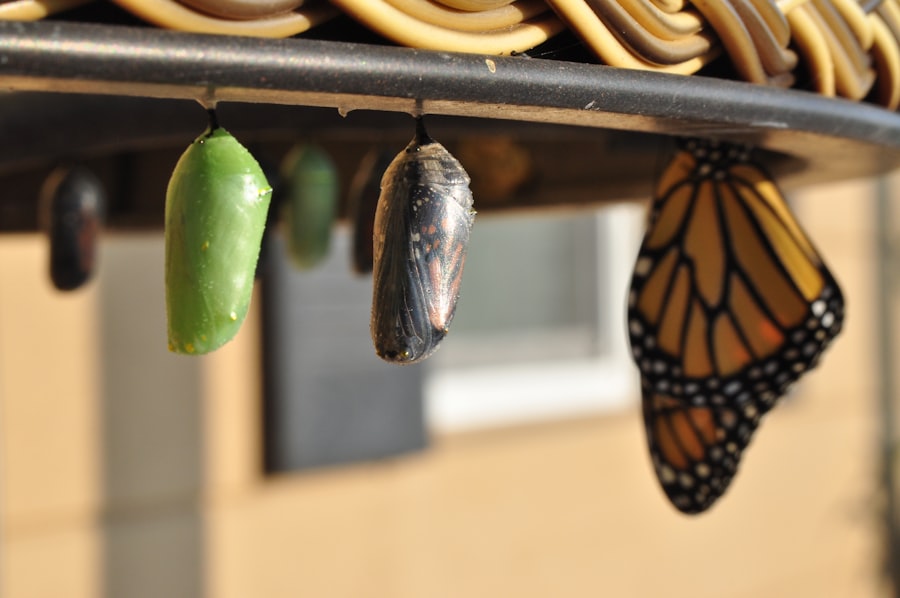
Your mindset plays a pivotal role in self-growth. It’s the filter through which you interpret experiences and challenges. A supportive mindset can propel you forward, while a restrictive one can hold you back, even when you’re putting in the effort.
Embracing a Growth Mindset Versus a Fixed Mindset
This concept, popularized by Carol Dweck, is incredibly relevant. A “fixed mindset” believes abilities and intelligence are innate and unchangeable. You’re either good at something or you’re not. A “growth mindset,” on the other hand, understands that abilities can be developed through effort and dedication. This shift from “I can’t do it” to “I can learn how to do it” opens up a world of possibilities. It’s about seeing challenges as opportunities to learn, not as proof of inadequacy.
Practicing Self-Compassion, Not Self-Criticism
When you stumble, your immediate reaction might be to criticize yourself harshly. However, self-compassion – treating yourself with the same kindness and understanding you’d offer a friend – is far more effective for long-term growth. Acknowledging your struggles, understanding that imperfect is human, and offering yourself support rather than judgment helps you recover faster and continue moving forward without getting bogged down by shame.
Developing Resilience and Adaptability
Life is unpredictable. Things will go wrong, plans will change, and you’ll face unexpected challenges. Resilience isn’t about avoiding these hurdles; it’s about your capacity to bounce back from them. Adaptability is about adjusting your approach when circumstances shift. Both are crucial for sustainable self-growth because they allow you to navigate the inevitable ups and downs without becoming discouraged or giving up entirely.
Cultivating Curiosity and Openness
Being curious means actively seeking new information, perspectives, and experiences. Openness means being willing to consider ideas that challenge your existing beliefs. These qualities prevent stagnation. They encourage you to continually learn, question, and evolve, which are foundational components of an ongoing self-growth journey. Don’t just consume information; actively engage with it.
The Role of Learning and Skill Development

Self-growth often involves acquiring new knowledge or honing existing skills. This doesn’t necessarily mean formal education; it can be anything from learning a new language to improving your communication abilities.
Identifying Key Areas for Skill Enhancement
Think about the skills that would genuinely benefit you, both personally and professionally. Maybe it’s public speaking, coding, critical thinking, or even more mundane things like better time management. Don’t just pick something because it sounds impressive; choose skills that align with your self-growth goals and would make a tangible difference in your daily life.
Leveraging Different Learning Modalities
People learn in various ways. Some prefer reading, others listening, and some learn best by doing. Explore different approaches: online courses, books, podcasts, workshops, mentorships, or hands-on practice. Don’t limit yourself to just one method, especially if it’s not yielding results. Experiment to find what works best for your learning style and the specific skill you’re trying to develop.
Applying Knowledge Immediately
Learning is most effective when you put what you’ve learned into practice right away. Reading a book on communication won’t improve your conversations unless you actively try out the techniques. Taking an online course on a new software doesn’t help much if you don’t actually open the program and start using it. Immediate application reinforces the learning and helps solidify the new skill. Make it a point to find a practical way to use new information shortly after you acquire it.
Continuous Learning as a Lifestyle
The world is constantly changing, and so should you. Viewing learning not as a chore but as an ongoing aspect of life keeps you relevant, engaged, and continuously growing. This isn’t about aiming for a specific degree every few years; it’s about maintaining an inquisitive stance and making small, consistent efforts to expand your understanding of things, whether it’s related to your field, a hobby, or just general knowledge.
Building a Supportive Environment
| Category | Metric | Progress |
|---|---|---|
| Personal Development | Books Read | 15 |
| Skills | New Skills Learned | 3 |
| Health | Exercise Days | 20 |
| Mental Well-being | Meditation Sessions | 30 |
Your surroundings have a significant impact on your ability to grow. It’s difficult to thrive in an environment that constantly drains you or undermines your efforts.
Surrounding Yourself with Positive Influences
The people you spend most of your time with profoundly affect your mindset and actions. Seek out individuals who are supportive, encouraging, and who themselves are striving for growth. This doesn’t mean cutting off everyone who isn’t perfect, but it does mean being mindful of who you allow to occupy your mental and emotional space. Their energy and perspective can be infectious, for better or worse.
Setting Boundaries and Saying “No”
Part of creating a supportive environment is protecting your time and energy. This means getting comfortable with setting boundaries, whether it’s with friends, family, or work. Learning to say “no” to commitments that don’t align with your goals or that drain you unnecessarily frees up valuable resources for your self-growth journey. It’s not selfish; it’s self-preservation and prioritization.
Optimizing Your Physical Space
Your physical environment matters too. A cluttered, disorganized space can contribute to a cluttered, disorganized mind. Think about how your home or workspace impacts your ability to focus, relax, or be productive. Simple changes like decluttering, adding some greenery, or ensuring good lighting can make a surprising difference in your overall well-being and ability to engage in self-growth activities.
Seeking Mentorship or Community
Connecting with others who are on a similar path or who have already achieved what you’re striving for can be incredibly valuable. A mentor can offer guidance, insights, and a different perspective. A community provides accountability, shared experiences, and a sense of belonging. You don’t have to embark on this journey alone; finding others who understand and support your ambitions can be a powerful accelerant. These connections provide a sounding board and a source of encouragement when things get tough.
Self-growth isn’t a race or a competition. It’s a personal journey of continuous improvement, driven by a desire to live a more fulfilling and effective life. By understanding what it means to you, establishing practical habits, nurturing a growth-oriented mindset, committing to learning, and cultivating a supportive environment, you’re not just unlocking potential; you’re actively building a more capable and resilient version of yourself, one intentional step at a time.