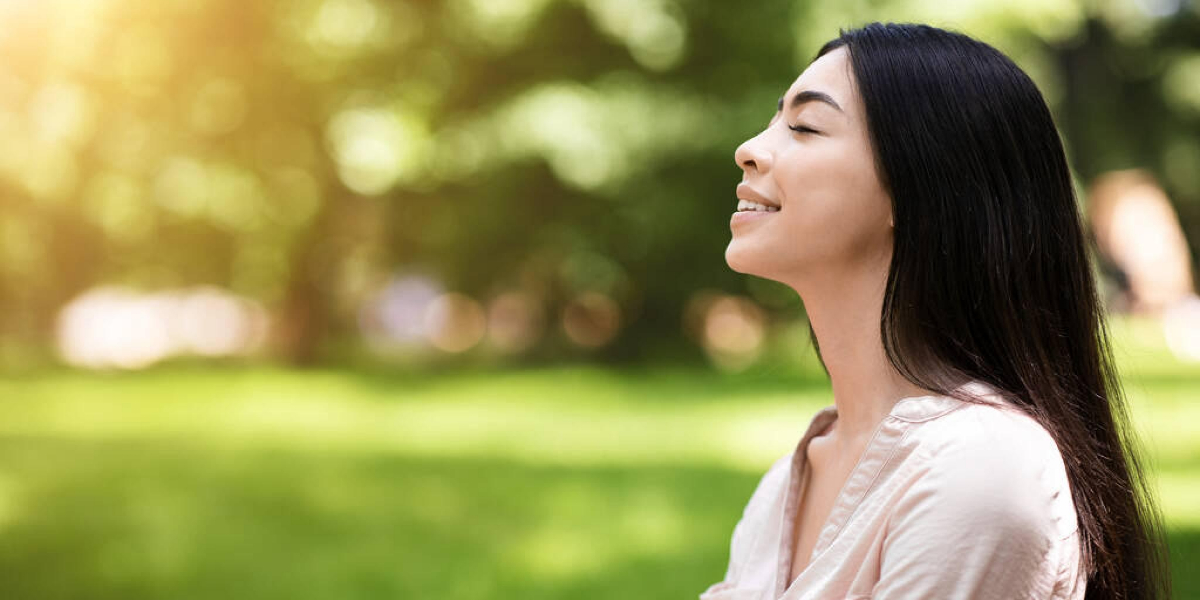
In this simple but effective technique, you breathe long, slow and deep (also known as abdominal breathing). As you breathe, you gently switch your mind off from distracting thoughts and sensations. Many people swear by the exercise to reduce stress in their daily lives. Writing down your thoughts and feelings can be a good way to release pent-up emotions.
Don’t think about what to write, just let it happen. No one has to read it, so don’t strive for perfection in grammar or spelling. One of the easiest ways to relax is to practice deep breathing. You can practise deep breathing almost anywhere.
In general, relaxation techniques are about focusing your attention on something calming and becoming more aware of your body. When you feel stress, your body reacts by releasing hormones that increase your blood pressure and heart rate. You can do this by practising relaxation techniques such as deep breathing, meditation, rhythmic exercises, yoga or Tai Chi. If you choose carefully what you engage in and avoid things that put unnecessary stress on you, you can lower your stress levels.
Yoga is a combination of physical exercise, meditation, light gymnastics and controlled breathing, all of which provide excellent stress relief. Watching the news, being constantly connected to digital devices, drinking alcohol and consuming too much caffeine are just some of the things that can make your life more stressful. In the comfort of your own home, there are many stress relief strategies that can help you relax quickly. In general, the benefits of yoga for stress and anxiety seem to be related to its effect on your nervous system and your stress response.
Whether your stress is out of control or you have already managed it, you can benefit from learning relaxation techniques. Exercising with another person allows you to get out of your body and talk to another person, which also helps reduce stress, she says. New research suggests that certain scents can alter brainwave activity and reduce stress hormones in the body. Although rhythmic movement alone helps reduce stress, adding a mindfulness component can do even more.
He points to “five or six approaches based on scientific observation and experience that really help reduce stress. Social contact is a good stress-relief tool because it can distract, provide support and help endure life’s ups and downs. Relaxation techniques are also often free or low-cost, pose little risk and can be done almost anywhere.