
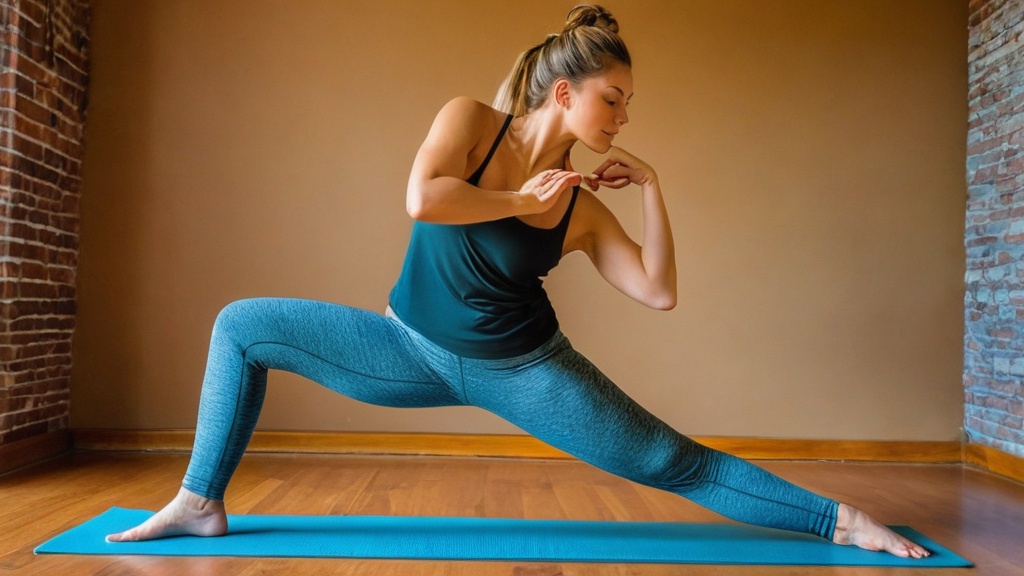
You want to improve your flexibility. You know yoga offers a way to stretch and lengthen your muscles. Consider a consistent practice to unlock a greater range of motion within your body. Focusing on accessible poses can build a solid foundation for your flexibility goals. Remember to listen to your body, breathing deeply with each movement. Your progress will unfold with patience and dedication.
Flexibility describes your joints’ ability to move through their full range of motion. It provides numerous advantages. When your muscles are supple, you experience a reduced risk of injury during daily activities and exercise. Maintaining good flexibility can alleviate aches and stiffness, especially in your back and neck. It improves your posture, allowing you to stand taller and move with more ease. Furthermore, a flexible body often leads to a more relaxed mind, as the physical release of tension contributes to mental calm.
Movement provides numerous benefits. Your muscles work better when supple. Your posture improves. Joint health benefits from regular stretching. Many different factors influence your flexibility, such as your genetics, age, and activity level. Yoga offers a structured method to systematically lengthen and open your body. As you practice, you understand your body’s current limits and learn to gradually expand them without strain. The process becomes a conversation between your body and your breath, guiding you deeper into each stretch.
Why Prioritize Flexibility?
You might wonder why flexibility holds such importance. Imagine bending down to tie your shoes without struggle, or reaching for something on a high shelf with ease. Such simple actions illustrate the value of a flexible body. Stiff muscles restrict your movement, forcing your body to compensate in ways that can lead to discomfort or strain. Conversely, a flexible body moves efficiently and gracefully. It helps prevent muscle imbalances, where some muscles become tight and others weak, disrupting your body’s natural alignment.
Your body requires balanced strength and flexibility. Focusing on flexibility contributes to overall physical well-being. It supports athletic performance, allowing for more powerful and open movements. Even if you do not participate in sports, the advantages apply to your everyday life. You will find everyday tasks less taxing and your body more resilient. You also gain a greater ability to relax your muscles voluntarily, a useful skill for managing stress.
Connecting Breath and Movement
One core tenet of yoga involves synchronizing your breath with your movements. It helps you relax into poses and deepen your stretches. Long, slow breaths signal to your nervous system that you are safe, encouraging your muscles to release tension. Holding your breath while stretching creates resistance, making it harder to lengthen your muscles. Instead, exhale as you deepen a stretch and inhale as you prepare for or release from one.
Your breath acts as a guide during your practice. It helps you find stillness within the pose, allowing your body to open naturally without forcing it. Pay attention to how your breath flows during each pose. If you find yourself holding your breath, it is a sign you might be pushing too hard. Ease back slightly and focus on making your breath smooth and even. This connection cultivates both physical and mental calm.
Gentle Poses for Spinal Mobility
Your spine acts as the central pillar of your body, housing your nervous system and allowing for a wide range of motion. Keeping your spine flexible supports your overall health and well-being. Regular movement of your spine in different directions – flexion, extension, lateral bending, and twisting – can alleviate back pain and improve your posture. Focusing on gentle poses specifically designed for spinal mobility can unlock greater freedom in your back.
Many poses target your spine directly. Incorporating movements that articulate each segment of your spine will provide comprehensive benefits. Your spine will feel more supple and your movements more fluid. You can perform many of these poses frequently during your day for short bursts of mobility. These poses serve your spinal health well.
Cat-Cow (Marjaryasana-Bitilasana)
You can begin on your hands and knees in a tabletop position. Align your wrists directly under your shoulders and your knees directly under your hips. Your fingers should spread wide. Inhale as you drop your belly towards the floor, lifting your chest and tailbone towards the sky. You create an arch in your back. This is the Cow pose. Hold for a moment, feeling the stretch along the front of your body.
Exhale as you round your spine towards the ceiling, tucking your chin towards your chest and drawing your navel towards your spine. You resemble an angry cat. This is the Cat pose. Feel the stretch along your back. Continue to flow between these two poses with your breath for several rounds. Your spine will begin to loosen. You notice a greater ease in your back.
Supine Spinal Twist (Supta Matsyendrasana)
You will lie on your back for this pose. Extend your arms out to the sides, forming a “T” shape, with your palms facing up. Draw your right knee towards your chest, leaving your left leg extended long on the floor. Take a deep breath. On an exhale, guide your right knee across your body towards the left side, allowing your right hip to lift off the floor. Keep your right shoulder pressing down towards the floor.
You can look over your right shoulder to deepen the twist in your neck. Breathe deeply here, feeling the stretch in your lower back, outer hip, and side body. Hold for several breaths, allowing your body to relax further into the twist. To release, inhale your knee back to the center and then lower your leg. Repeat on the other side, drawing your left knee towards your chest and twisting to the right. Observe the differences between your two sides.
Opening Hips and Hamstrings with Forward Folds
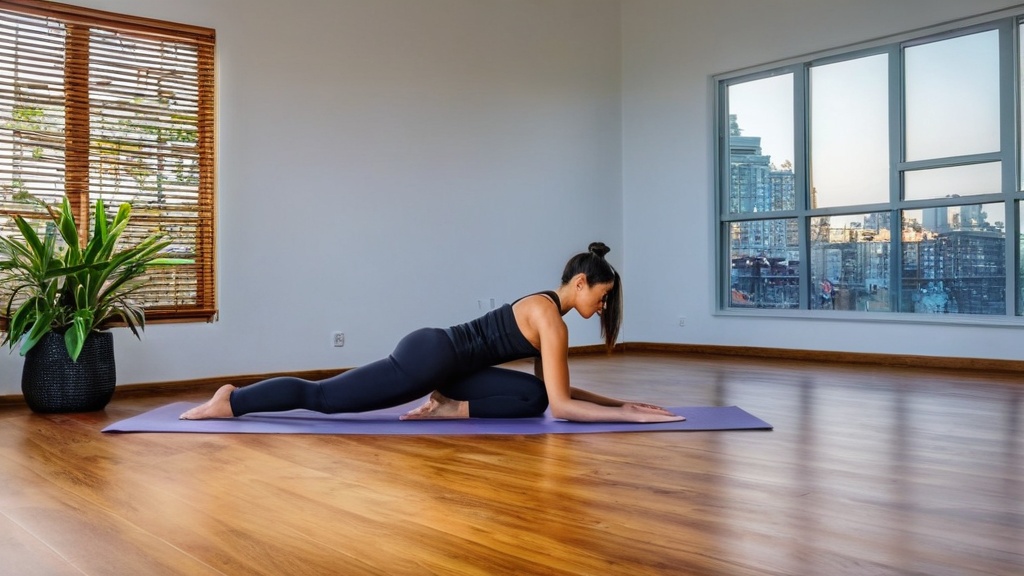
Your hips and hamstrings are often areas of tightness, especially if you spend a lot of time sitting. Tightness here can affect your posture, lower back stability, and overall mobility. Forward folds offer an excellent way to lengthen these muscles, but you must approach them with care and awareness. You can gradually increase your depth in each pose over time.
You must remember to keep a slight bend in your knees during forward folds if you feel tightness in your hamstrings or lower back. Straightening your legs completely can put undue strain on your lower back. Your comfort takes precedence over going deep into a pose. Over time, as your hamstrings lengthen, your knees will naturally straighten more easily.
Standing Forward Fold (Uttanasana)
You will stand at the front of your mat with your feet hip-width apart. Inhale as you lengthen your spine. On an exhale, hinge from your hips, allowing your torso to fold over your legs. Keep a soft bend in your knees, especially if your hamstrings feel tight. Let your head hang heavy, releasing tension in your neck. Your hands can rest on the floor, your shins, or you can hold opposite elbows.
Breathe deeply here, feeling the stretch along the back of your legs and your spine. You might feel a gentle pull in your lower back. Focus on lengthening your spine with each inhale and deepening your fold with each exhale. Over time, you will find more space in your hamstrings. To come out, place your hands on your hips, engage your core, and slowly roll up, one vertebra at a time, until you return to standing.
Seated Wide-Legged Forward Fold (Upavistha Konasana)
You should sit on your mat with your legs extended wide apart. Flex your feet, drawing your toes towards your shins. If your lower back rounds significantly, you can sit on a folded blanket or cushion to tilt your pelvis forward. Place your hands on the floor in front of you. Inhale to lengthen your spine, imagining growing taller through the crown of your head.
On an exhale, begin to walk your hands forward, hinging from your hips. Keep your back flat as long as possible. You should avoid rounding your spine to go deeper. Focus on sending your belly towards the floor, not your head. Rest your hands on the floor, your legs, or hold onto your feet if they are accessible. Breathe deeply into the stretch, particularly in your inner thighs and hamstrings. Hold for several breaths. To release, slowly walk your hands back towards your body and sit upright.
Grounding and Opening with Floor Poses
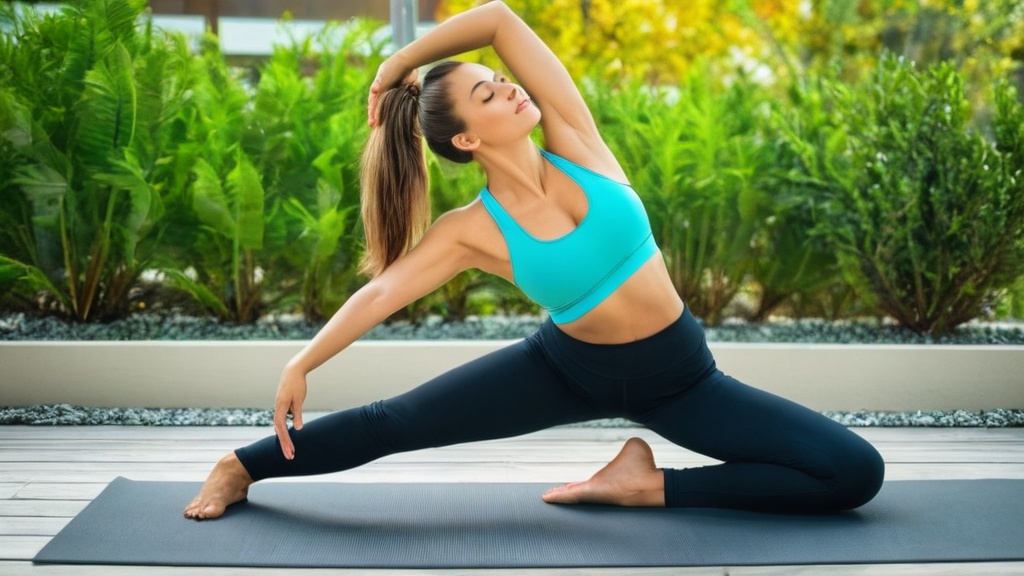
Floor poses provide a sense of grounding and allow for sustained stretches without requiring much balance. They are particularly beneficial for beginners as you can use the floor for support. Many floor poses target your hips, inner thighs, and spine, offering a gentle yet profound opening. You can relax fully into the support of your mat.
You can hold these poses for longer durations. This allows your connective tissues to lengthen gradually. When you practice these poses, ensure you are comfortable. Use props like blankets or cushions underneath your hips or knees for added support. The goal is to find comfort within the stretch, not to push past your limits.
Child’s Pose (Balasana)
You will start on your hands and knees. Bring your big toes to touch and spread your knees wide, as wide as your mat or slightly wider. Sink your hips back towards your heels. You can rest your forehead on the mat. Extend your arms forward with your palms down, or rest them alongside your body with your palms facing up.
This pose provides a gentle stretch for your lower back and hips. It serves as a restful posture you can return to at any point during your practice. Breathe deeply, feeling your belly press against your thighs with each inhale. Your body will feel grounded and centered. Stay here for as many breaths as you need. This pose helps you reconnect with your breath and quiet your mind.
Butterfly Pose (Baddha Konasana)
You should sit on your mat with the soles of your feet together. Allow your knees to fall open to the sides. You can hold onto your feet with your hands. If your knees are high, you can place cushions or blocks underneath them for support. Inhale to lengthen your spine, sitting up tall.
On an exhale, hinge from your hips and gently fold forward, keeping your back straight. You need not go far; even a slight forward bend will create a stretch in your inner thighs and groin. Your elbows can press gently into your inner thighs to deepen the stretch. Breathe deeply into your hips. This pose can be restorative and helps to open your inner groin and hips. To release, slowly sit upright.
Releasing Tension with Gentle Twists and Lunges
| Yoga Pose | Description | Benefits |
|---|---|---|
| Child’s Pose | Kneel on the floor, touch your big toes together and sit on your heels, then lower your torso between your knees. | Stretches the hips, thighs, and ankles, calms the brain, and relieves stress and fatigue. |
| Downward-Facing Dog | Start on your hands and knees, then lift your hips up and back, forming an inverted V shape. | Stretches the shoulders, hamstrings, calves, arches, and hands, and strengthens the arms and legs. |
| Cobra Pose | Lie on your stomach with your hands under your shoulders, then lift your chest off the floor while keeping your elbows close to your body. | Stretches the chest, shoulders, and abdomen, and strengthens the spine. |
Twists and lunges provide distinct benefits for flexibility. Twists help to release tension in your spine and improve spinal mobility, while lunges target your hips, thighs, and sometimes your shoulders. You can approach these poses with softness, allowing your body to open gradually rather than forcing the stretch.
Your body benefits from movement in multiple directions. Twists untangle physical and energetic knots. Lunges strengthen your legs while simultaneously stretching your hip flexors. Incorporating both types of poses creates a well-rounded flexibility practice that addresses different muscle groups and ranges of motion in your body.
Low Lunge (Anjaneyasana)
You should begin in a tabletop position or from a downward-facing dog. Step your right foot forward between your hands. Ensure your right knee is stacked directly over your right ankle. Lower your left knee to the floor. You can place a blanket under your left knee for padding if needed. You can keep your back toes curled under or point them back.
Lift your torso upright, placing your hands on your front thigh or reaching them overhead. Feel the stretch in your left hip flexor. Keep your core engaged to maintain stability. Breathe deeply into any areas of tightness. This pose effectively opens your hips and lengthens the front of your left thigh. To release, bring your hands back to the floor, step your right foot back, and switch sides.
Cobra Pose (Bhujangasana)
You will lie on your belly with your hands placed under your shoulders, fingers pointing forward. Your elbows should hug close to your body. Point your toes back and press the tops of your feet into the floor. Inhale as you gently lift your head and chest off the mat, engaging your back muscles. Your gaze should be forward or slightly down to avoid crunching your neck.
Keep your lower ribs connected to the mat. Avoid pushing up too high with your hands; primarily use your back strength. Feel a gentle extension in your spine. This pose strengthens your back muscles while creating space in the front of your body. Hold for a few breaths. Exhale as you gently lower your chest and head back down to the mat. You can repeat this pose a few times.
Standing Sequences for Full Body Opening
Standing poses help to build strength, balance, and flexibility throughout your body. They allow you to lengthen muscles in your legs, torso, and arms while standing tall and rooted. As you practice standing sequences, you will notice an improvement in your stability and an increased sense of openness.
Many standing poses flow effortlessly from one to another. Your ability to transition smoothly between poses will grow with practice. Pay attention to your alignment in each pose. Your foundation on the mat grounds your body, making you feel stable and strong.
Standing Side Stretch (Parsva Baddha Konasana Variation)
You will stand tall with your feet hip-width apart. Inhale as you reach your left arm overhead, extending through your fingertips. On an exhale, begin to lean to your right, creating a crescent shape with your body. Keep your core engaged and avoid collapsing forward or backward. Your gaze can remain forward or turn slightly upwards if your neck feels comfortable.
Feel the stretch along your left side, from your hip all the way through your armpit. Ground down through both feet equally. Breathe deeply into your side body, imagining creating more space between your ribs. Hold for several breaths. Inhale to return to center, and then repeat on your right side, reaching your right arm overhead and leaning to your left.
Triangle Pose (Trikonasana)
You will stand with your feet wide apart, about 3-4 feet. Turn your right foot out to 90 degrees and your left foot slightly in. Extend your arms out to the sides at shoulder height, palms facing down. Inhale as you lengthen your spine. On an exhale, reach forward with your right hand, extending your torso over your right leg.
Place your right hand on your shin, ankle, or a block outside your right foot. Reach your left arm straight up towards the ceiling, stacking it over your right arm. Keep both legs straight, but avoid locking your knees. Your gaze can be up towards your left thumb, forward, or down at your right foot, depending on your neck comfort. Feel the stretch in your hamstrings, hips, and side body. To release, press into your feet, engage your core, and inhale to stand up. Repeat on your other side.
Integrating Props and Mindful Practice
Props are wonderful tools that can assist you in your yoga practice, making poses more accessible and comfortable. You should not view them as a crutch, but rather as extensions of your body, helping you find proper alignment and deeper release. A block, cushion, or strap can profoundly change your experience in a pose.
Mindful practice involves paying close attention to your body and breath. It means honoring your limits on any given day. You do not need to force yourself into shapes your body is unwilling to make. Instead, you can approach your practice with curiosity and kindness. Over time, physical changes will naturally occur.
Using Props for Support
A yoga block can bring the floor closer to you in standing forward folds or triangle pose, allowing you to maintain a straight spine without straining. A cushion or folded blanket under your hips in seated poses can tilt your pelvis forward, making it easier to sit upright and fold forward without rounding your lower back. A strap can extend your reach, helping you grasp your feet in seated forward folds if your hamstrings are tight.
You can experiment with different props to see how they affect your practice. They assist you in finding comfort and proper alignment. Props enable you to hold poses for longer durations, allowing your muscles and connective tissues more time to lengthen. They empower you to enjoy your practice more fully.
The Power of Gentle Breathing and Holding Poses
You must remember the importance of gentle, controlled breathing throughout your practice. It calms your nervous system and signals to your body that it is safe to release tension. Your breath acts as an anchor, keeping you present in the moment. When you hold poses for a few breaths to minutes, you give your body time to soften and open.
You can combine your breath and the holding of poses. Do not rush through your sequence. You benefit more from holding each pose for a longer duration, feeling the subtle shifts and releases in your body. Allow your breath to be smooth and continuous, never forced. This mindful approach creates sustainable changes in your flexibility over time. Your body will thank you for your patience and gentle persistence.
FAQs
What are some beginner yoga poses for flexibility?
Some beginner yoga poses for flexibility include downward dog, child’s pose, cat-cow stretch, seated forward bend, and standing forward bend.
How often should I practice beginner yoga poses for flexibility?
It is recommended to practice beginner yoga poses for flexibility at least 3-4 times a week to see improvement in flexibility.
What are the benefits of practicing beginner yoga poses for flexibility?
Practicing beginner yoga poses for flexibility can help improve range of motion, reduce muscle tension, increase blood flow, and promote relaxation.
Are there any precautions to consider when practicing beginner yoga poses for flexibility?
It is important to listen to your body and not push yourself too hard, especially if you are new to yoga. It’s also important to consult with a healthcare professional if you have any existing health conditions.
Can beginner yoga poses for flexibility help with stress relief?
Yes, beginner yoga poses for flexibility can help with stress relief as they promote relaxation, deep breathing, and mindfulness, which can help reduce stress and anxiety.