
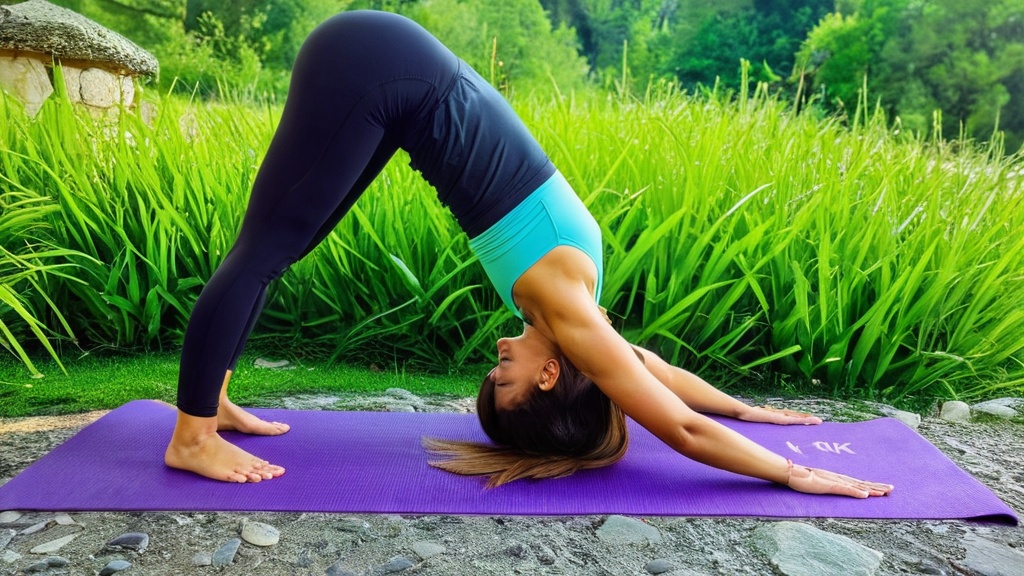
Yoga offers a powerful path to building strength, even for those new to the practice. You might perceive yoga as solely about flexibility, yet many poses actively engage muscles, fostering power throughout your body. Incorporating specific postures into your routine can lead to tangible gains in stamina and physical resilience. Begin your exploration of strength with fundamental postures designed to establish a solid foundation.
To effectively build strength through yoga, you must understand a few core principles. You will focus on engaging muscles rather than simply stretching passively. Your breath plays a critical role in sustaining poses and powering movements. Consistent practice yields the most benefits; even short, regular sessions are more effective than sporadic long ones. You will learn to listen to your body, recognizing when to deepen a pose and when to modify it for comfort and safety. Proper alignment prevents injury and maximizes the strength-building potential of each posture.
You should aim for controlled movements, moving into and out of poses with intention. Holding postures for a longer duration, where appropriate, challenges your muscles and builds endurance. Remember, strength in yoga is not about brute force. It is about a balanced development of muscle groups, leading to functional power you can utilize in daily life. You might find muscles you never knew you had beginning to activate and respond.
Core Power and Stability: Strengthening Your Center
A strong core provides the anchor for nearly every movement your body performs. Developing this central pillar improves posture, reduces back pain, and prepares you for more advanced physical activities. Several beginner-friendly yoga poses excel at building abdominal and back strength.
Plank and Forearm Plank
Plank poses are foundational for building comprehensive core, shoulder, arm, and lower back strength. You will position your body in a straight line, similar to a push-up position, but hold still.
Forearm Plank: Start on your hands and knees. Lower your forearms to the mat, ensuring your elbows are directly beneath your shoulders. Extend your legs straight back, keeping your body in a straight line from head to heels. Engage your abdominal muscles, pulling your belly button towards your spine. Do not let your hips sag or pike upwards. Keep your gaze directed down at the mat to maintain a neutral neck. Hold for 20-30 seconds, then release. You might gradually increase your hold time as your strength improves. Focus on maintaining a flat back, preventing any arching or rounding. Breath steadily throughout the pose, using your exhalations to deepen your core engagement.
High Plank: From all fours, place your hands directly under your shoulders, spreading your fingers wide. Step your feet back, one at a time, until your body forms a straight line from head to heels. Keep your abdominal muscles engaged, preventing your hips from dropping or lifting too high. Push down through your hands, drawing your shoulders away from your ears. Your gaze should be slightly forward on the mat. Hold for a comfortable duration, then gently lower your knees to release. You will feel your arms and shoulders working here, along with your core.
Boat Pose (Navasana)
Boat Pose focuses intensely on the abdominal muscles, improving core control and balance.
Boat Pose: Sit on your mat with your knees bent, feet flat on the floor. Lean back slightly, engaging your core. You will lift your feet off the floor, bringing your shins parallel to the floor, forming a 90-degree angle at your knees. Extend your arms forward, parallel to the floor, palms facing each other. If possible, you might straighten your legs, forming a “V” shape with your body. However, for beginners, keeping knees bent is perfectly acceptable. Maintain a straight spine, avoiding any rounding of the back. Hold for several breaths, feeling the deep engagement in your abdominal wall. You will lower your feet and rest, repeating the pose two or three times. For added challenge, some recommend repeated transitions between high boat and low boat, hovering your legs and upper body just above the mat.
Upper Body and Shoulder Fortification
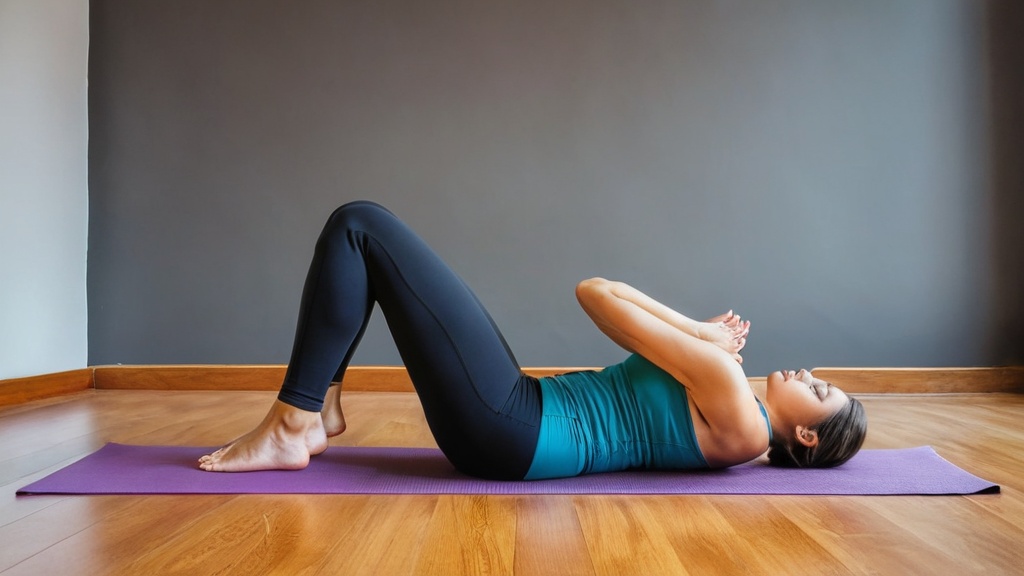
Building strength in your upper body and shoulders is essential for good posture, managing daily tasks, and performing various yoga poses. Yoga offers unique ways to develop these areas.
Dolphin Pose (Ardha Pincha Mayurasana)
Dolphin Pose serves as an excellent beginner-accessible shoulder and upper-body strength builder. It mimics aspects of the forearm plank while also offering a gentle inversion.
Dolphin Pose: Start on your hands and knees. Lower your forearms to the mat, similar to forearm plank, with elbows beneath your shoulders. Interlace your fingers or keep your palms flat. Tuck your toes under and lift your hips towards the ceiling, straightening your legs as much as comfortable. Your body will resemble an inverted “V,” much like Downward-Facing Dog, but on your forearms. Press firmly through your forearms and hands, lifting your shoulders away from your ears. Allow your head to hang freely. You will feel a strong engagement in your shoulders and triceps. Hold for five to ten breaths, then carefully lower your knees. This pose strengthens the rotator cuff muscles, which are vital for shoulder stability.
Locust Pose (Salabhasana)
Locust Pose strengthens the back of the torso, legs, and arms. It is a fantastic pose for building spinal strength and preparing your body for deeper backbends.
Locust Pose: Lie on your stomach with your forehead on the mat. Place your arms alongside your body, palms facing down. You will bring your big toes together and rotate your thighs inward slightly. On an inhalation, lift your head, chest, arms, and legs off the mat simultaneously. Keep your gaze forward, but avoid straining your neck. Reach back through your fingertips and stretch through your toes. Do not press hard into your abdomen; instead, feel your back muscles engaging to lift you. Hold for 30 seconds, maintaining a steady breath. Exhale to slowly lower yourself back down. Repeat this pose two or three times. This posture develops powerful muscles along your spine, which helps counteract the effects of prolonged sitting.
Lower Body Power and Stability
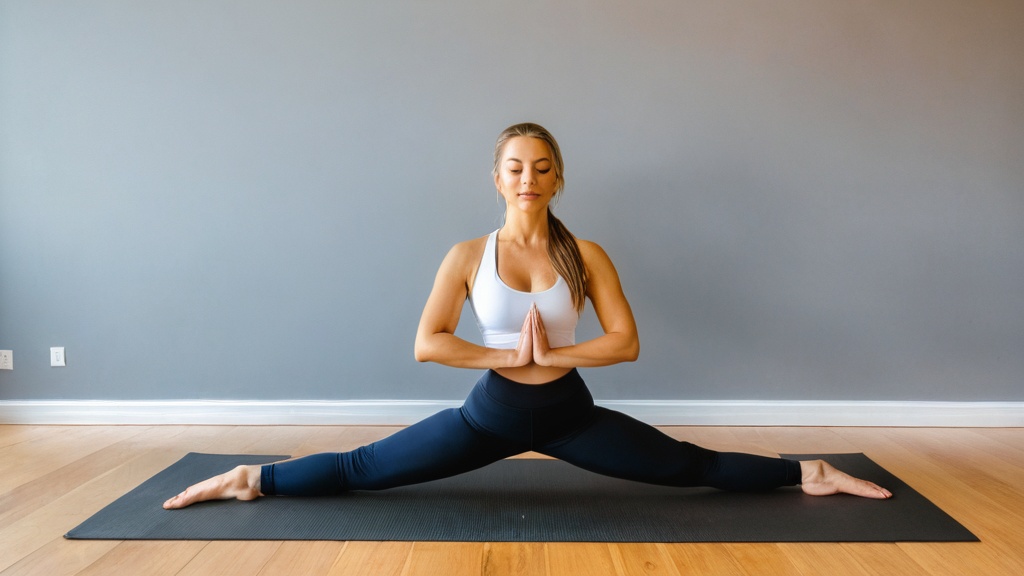
Strong legs provide a stable base for your entire body, improve balance, and support more dynamic movements. Yoga offers numerous poses that target the quadriceps, hamstrings, glutes, and calves.
Chair Pose (Utkatasana)
Chair Pose is a powerful leg and arm strengthener, frequently included in beginner strength routines. It builds heat and stamina.
Chair Pose: Stand with your feet hip-width apart. On an inhalation, bend your knees deeply as if you are sitting down in an imaginary chair. Simultaneously, sweep your arms overhead, palms facing each other, or bring your hands to prayer at your heart center. Keep your back straight, avoiding rounding. Your knees will stay behind your toes to protect them. Engage your core and draw your shoulders down away from your ears. You should feel a burning sensation in your quadriceps. Hold for five to ten breaths. To deepen the pose, you might sink lower. Exhale to straighten your legs and release your arms. Repeat this strengthening pose two or three times.
Warrior II (Virabhadrasana II)
Warrior II strengthens your legs, core, arms, and back. It is often suggested with longer holds to maximize its strengthening benefits.
Warrior II: Begin by stepping your feet wide apart, about 3-4 feet. Turn your right foot out 90 degrees, and your left foot in slightly. Align your right heel with the arch of your left foot. Raise your arms parallel to the floor, reaching actively through your fingertips. On an exhalation, bend your right knee directly over your right ankle, ensuring your knee does not extend past your ankle. Keep your torso centered over your hips. Your gaze will be over your right fingertips. Hold this pose for 30 seconds to a minute, feeling the strength in your thighs and glutes. Inhale to straighten your right leg, then switch sides. This pose develops impressive lower body endurance and stability.
Garland Pose (Malasana)
Garland Pose is a deep squat that strengthens your entire lower body, including quads, hamstrings, glutes, ankles, and feet. It also helps to open the hips.
Garland Pose: Stand with your feet slightly wider than hip-width apart, toes pointing outwards. Keeping your spine straight, slowly lower into a squat. Bring your hands to prayer position at your heart, using your elbows to gently push your knees apart. If your heels lift off the ground, place a folded blanket or towel under them for support. You will keep your chest lifted and your core engaged. Hold for 30 seconds to a minute, breathing deeply into your hips. This pose builds strength in the muscles responsible for powerful leg movements and improves ankle mobility. Take your time lowering into and lifting out of this pose.
Whole Body Integration and Stabilization
| Yoga Pose | Benefits |
|---|---|
| Downward Facing Dog | Strengthens arms, shoulders, and legs |
| Warrior I | Builds strength in the legs and core |
| Plank Pose | Strengthens the core, arms, and shoulders |
| Chair Pose | Strengthens the thighs and core |
Some poses work multiple muscle groups simultaneously, leading to comprehensive strength and improved bodily coordination.
Triangle Pose (Trikonasana)
Triangle Pose builds leg strength while also stretching and stabilizing the whole body. It improves balance and strengthens your obliques.
Extended Triangle Pose: Stand with your feet wide apart, about 3-4 feet. Turn your right foot out 90 degrees and your left foot in slightly. Extend your arms parallel to the floor. Shift your hips back over your left heel as you hinge from your right hip, reaching your right hand forward. Lower your right hand to your shin, ankle, or a block outside your right foot. Extend your left arm straight up towards the ceiling, stacking your left shoulder over your right. Keep both legs straight and engaged. Your gaze might be up towards your left thumb, or forward, or down if that feels better for your neck. You will create a long line from your left heel to your left fingertips. Hold for five to ten breaths. Inhale to come back up, then repeat on the other side. You will feel the strength in your legs and the stretch along your side body.
Cultivating Consistency
You must approach your strength-building yoga practice with consistency. Even short sessions performed regularly will yield results. You will begin to notice improvements in your stamina, your ability to hold poses longer, and a general feeling of increased stability in your body. Remember to be patient with yourself and celebrate small victories along the way. Each time you step onto your mat, you are investing in your physical well-being. Focus on proper form and controlled movements rather than pushing yourself too far too soon. Your strength will gradually build, creating a more powerful and resilient you.
FAQs
What are some beginner yoga poses for strength building?
Some beginner yoga poses for strength building include plank pose, warrior I and II, chair pose, and bridge pose.
How can yoga help with strength building?
Yoga helps with strength building by engaging various muscle groups and holding poses that require stability and balance. It also helps to improve overall body awareness and control.
Is yoga suitable for beginners looking to build strength?
Yes, yoga is suitable for beginners looking to build strength. There are many beginner-friendly poses and modifications that can be used to gradually build strength and flexibility.
How often should beginners practice yoga for strength building?
For beginners looking to build strength through yoga, it is recommended to practice at least 2-3 times per week to see noticeable improvements in strength and flexibility.
Are there any precautions beginners should take when practicing yoga for strength building?
Beginners should listen to their bodies and avoid pushing themselves too hard. It’s important to focus on proper alignment and breathing techniques to prevent injury. Consulting with a yoga instructor or healthcare professional is also recommended, especially for those with pre-existing health conditions.